In Iceland, and especially in the Westfjords, no two years are alike. Summer 2025 was a poor season for Arctic foxes. While everything seemed normal among the adults, we recorded an extremely high rate of failure and mortality within the litters. It was a hard summer for our guides, who quite literally saw more dead kits than living ones.
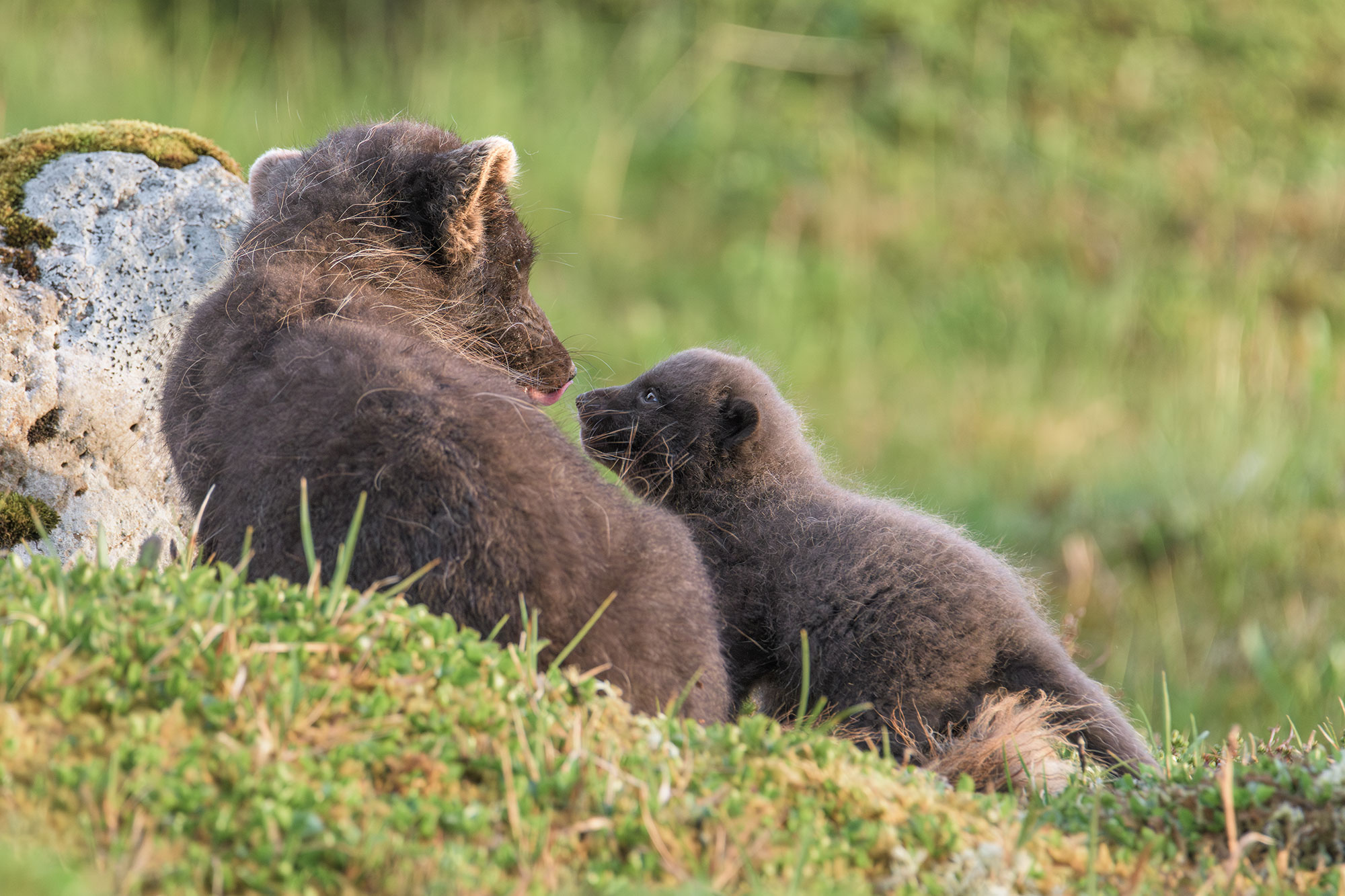
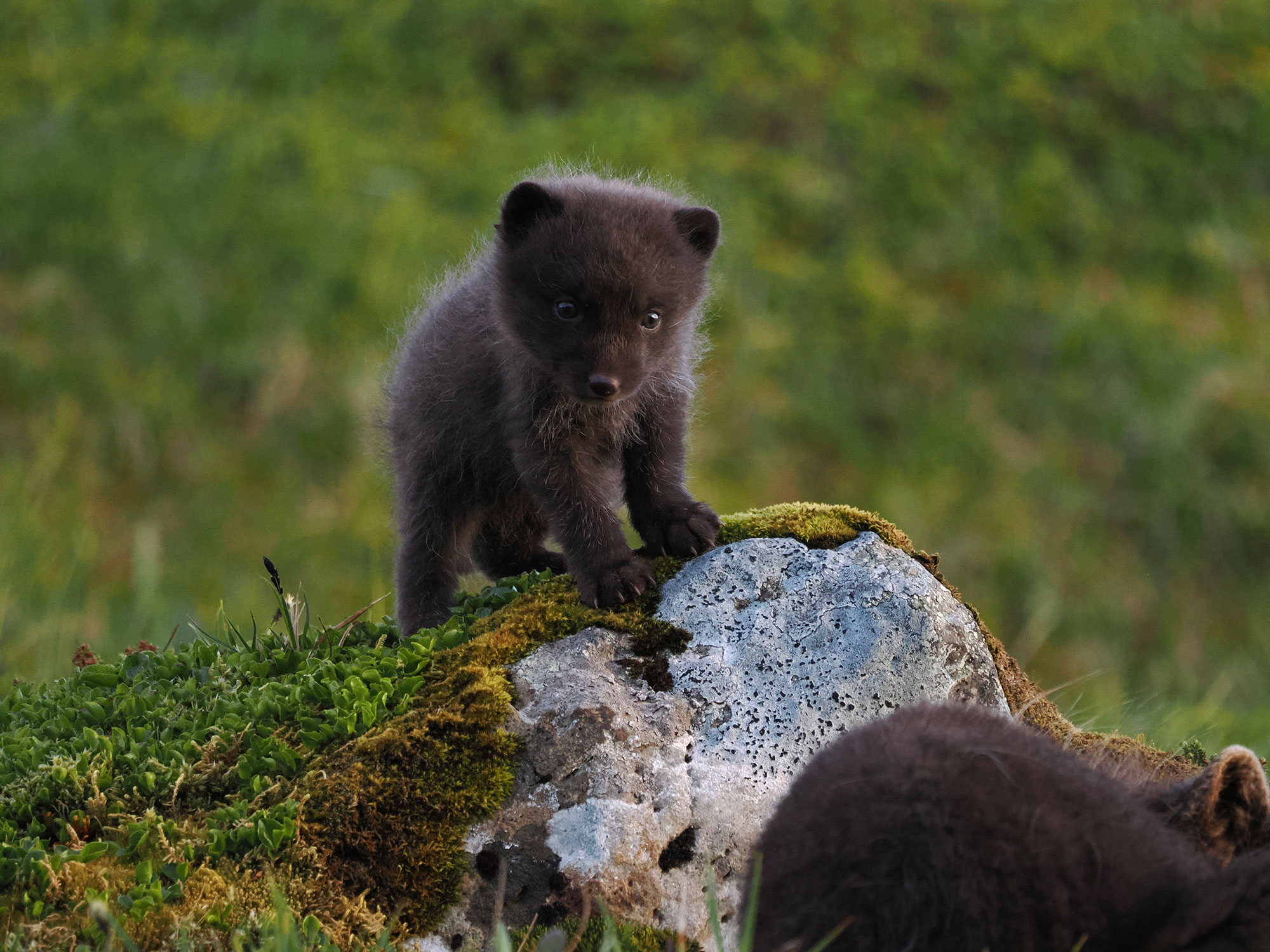
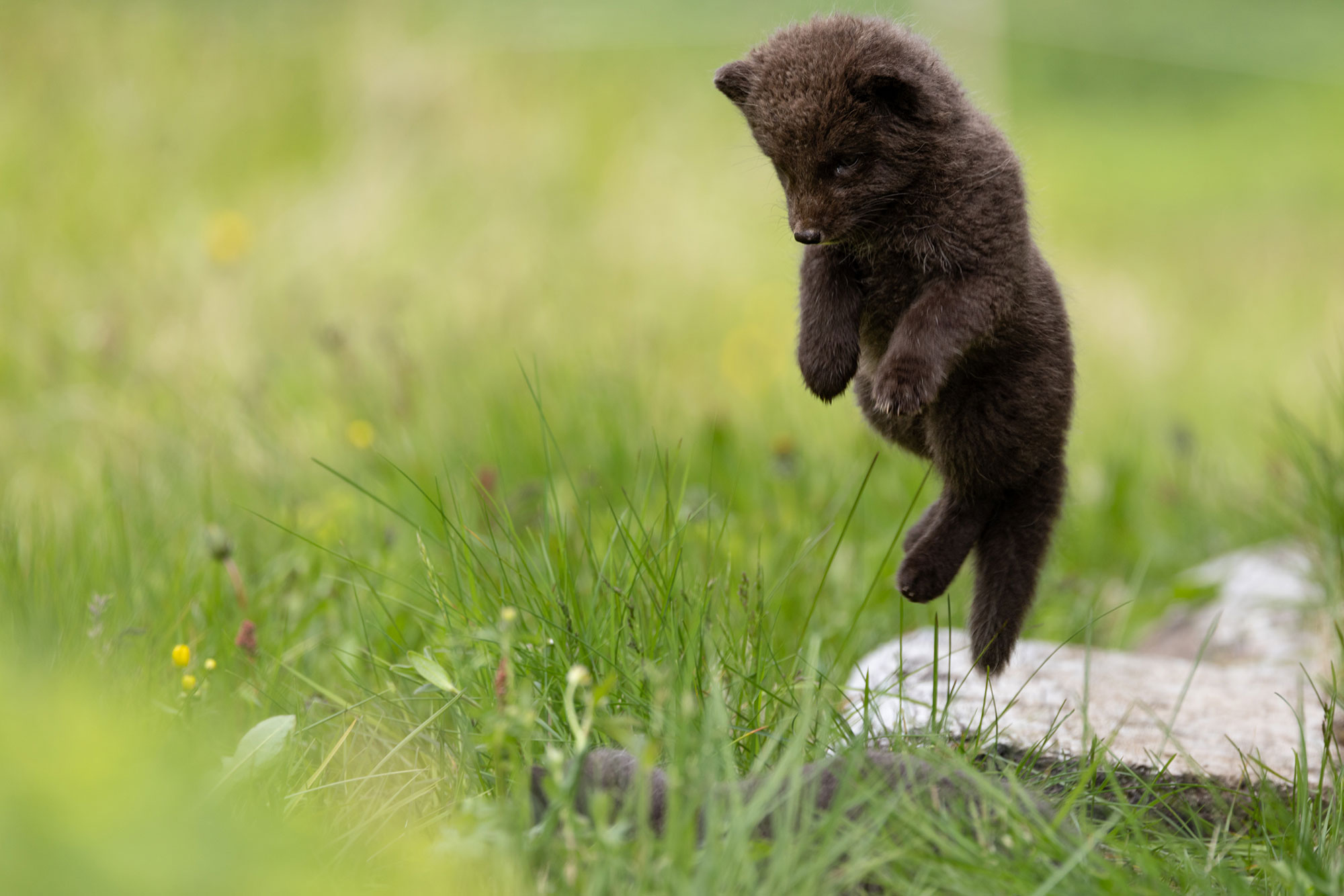
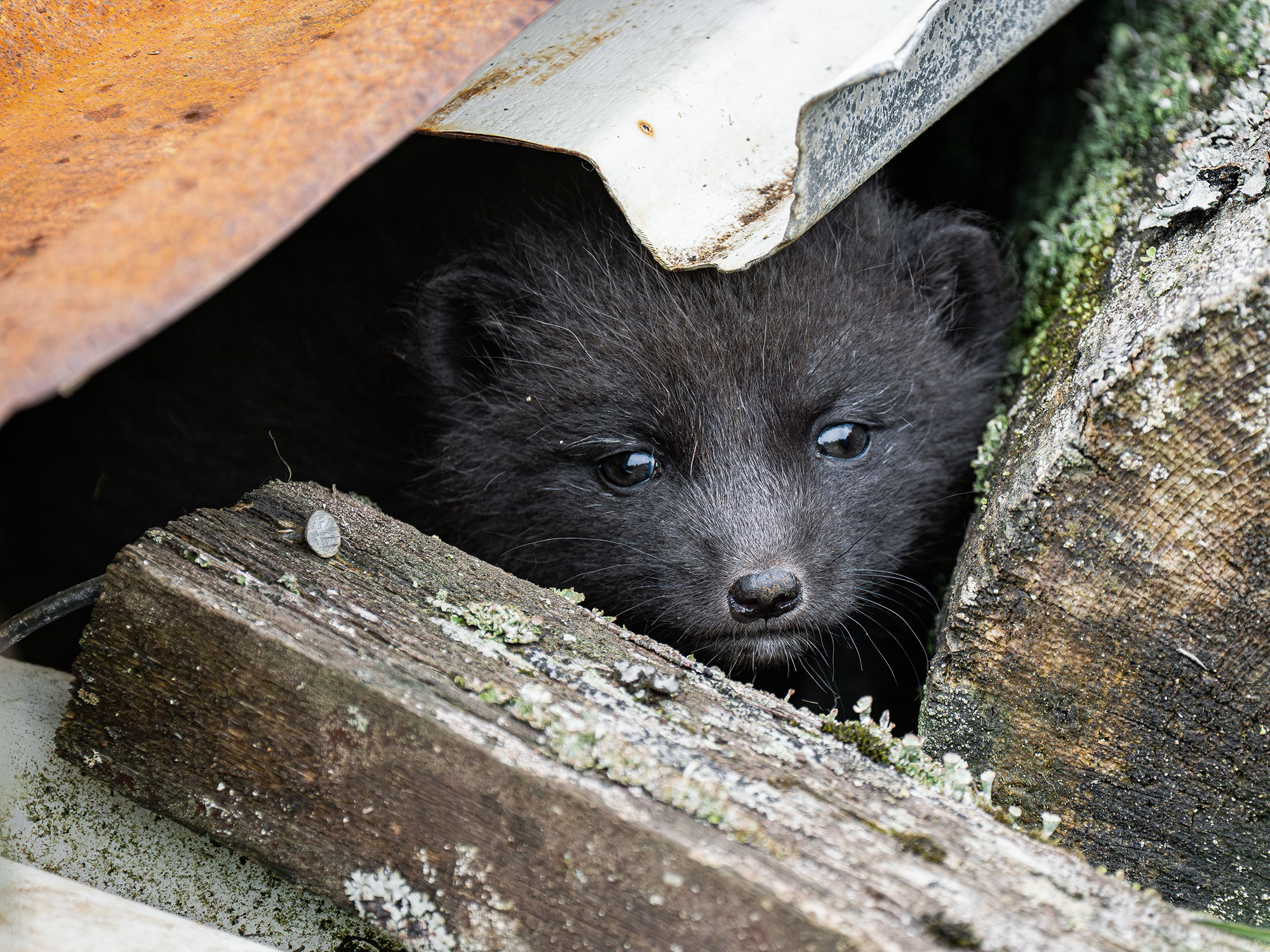
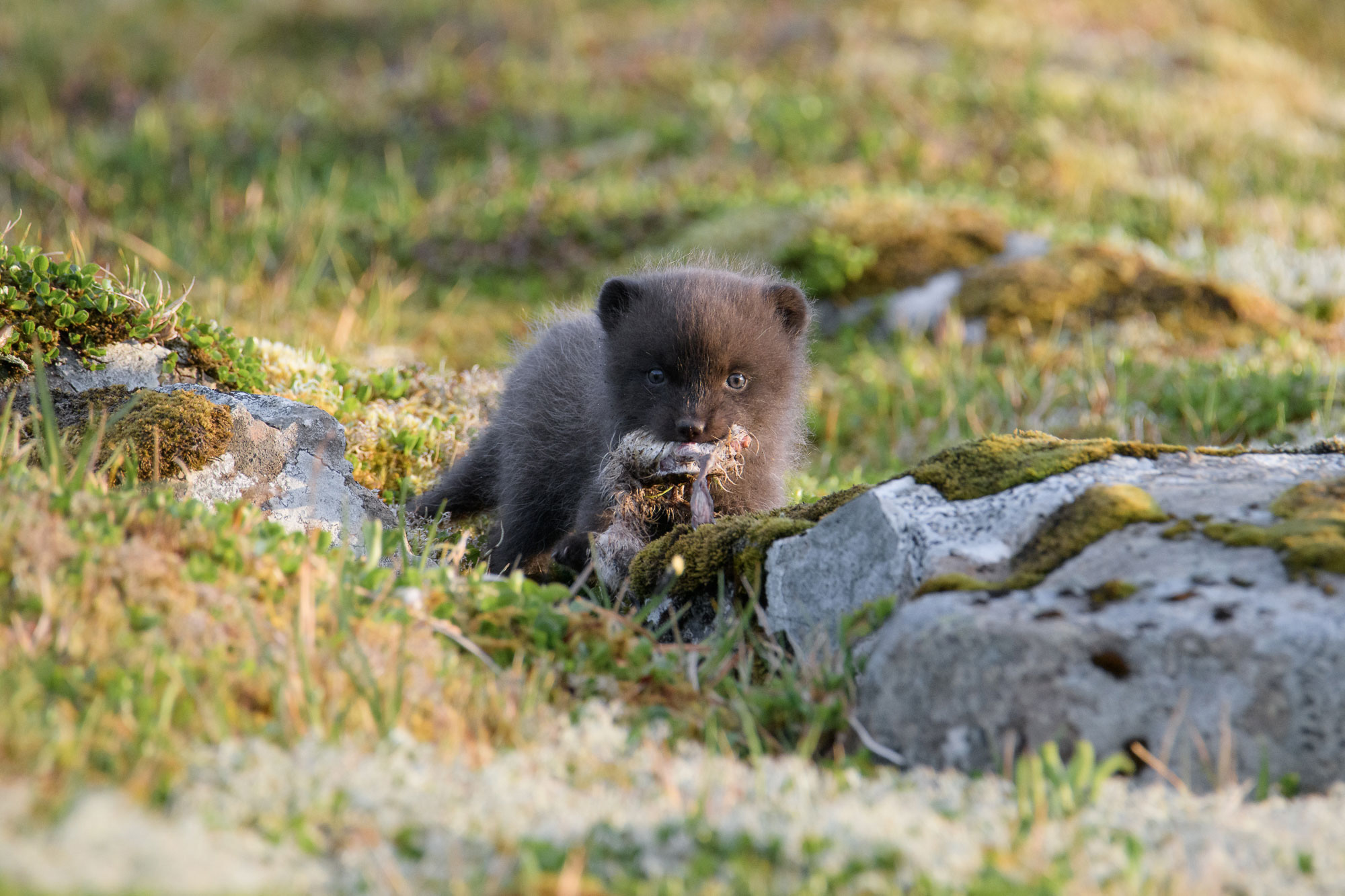
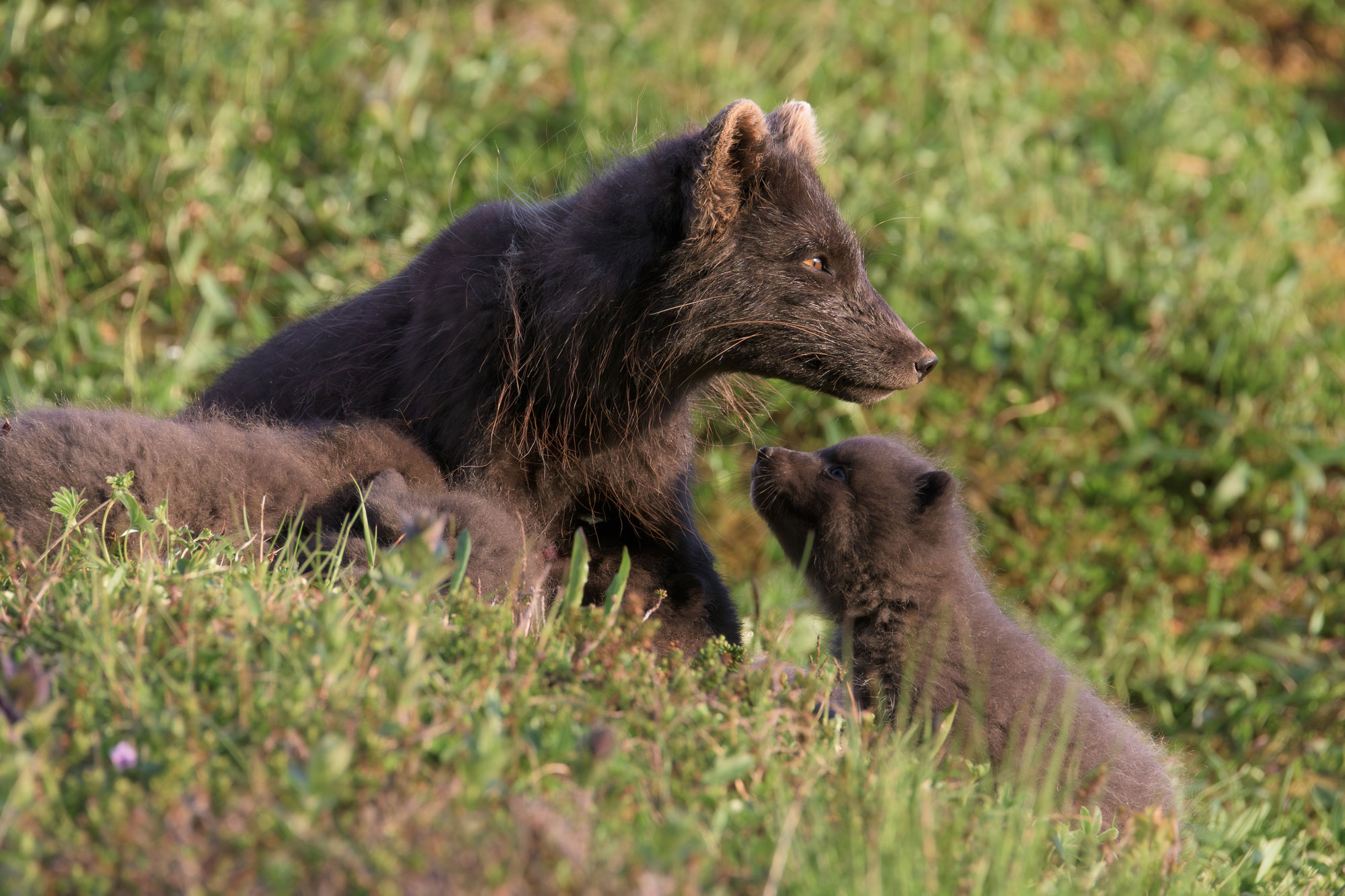
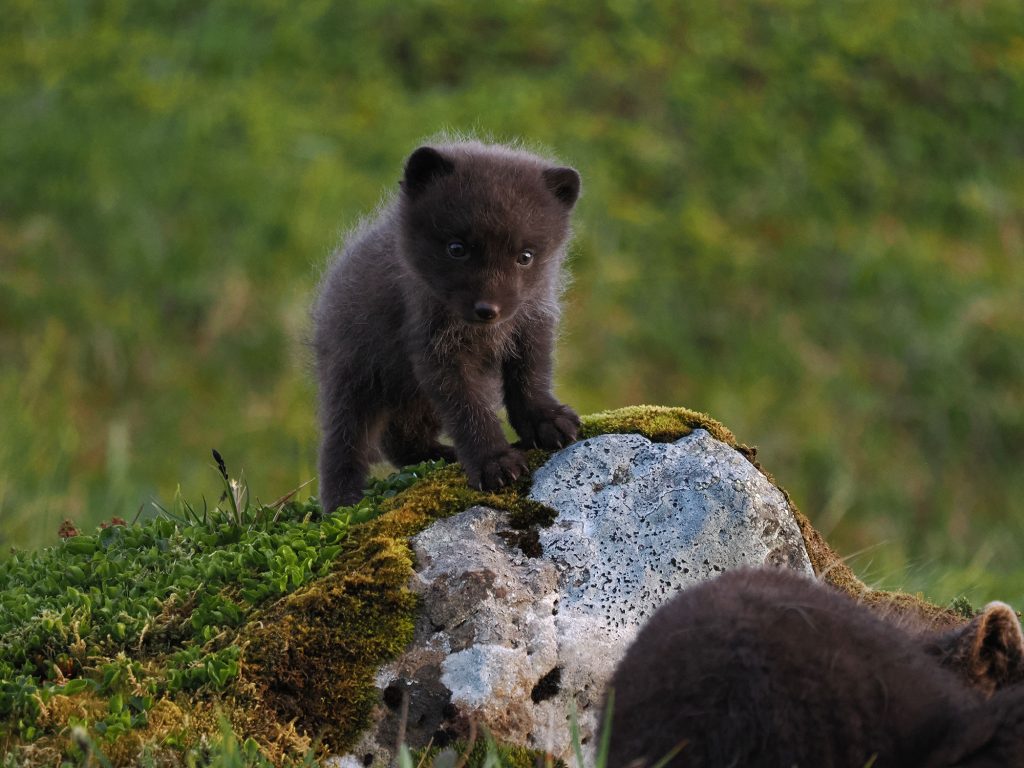
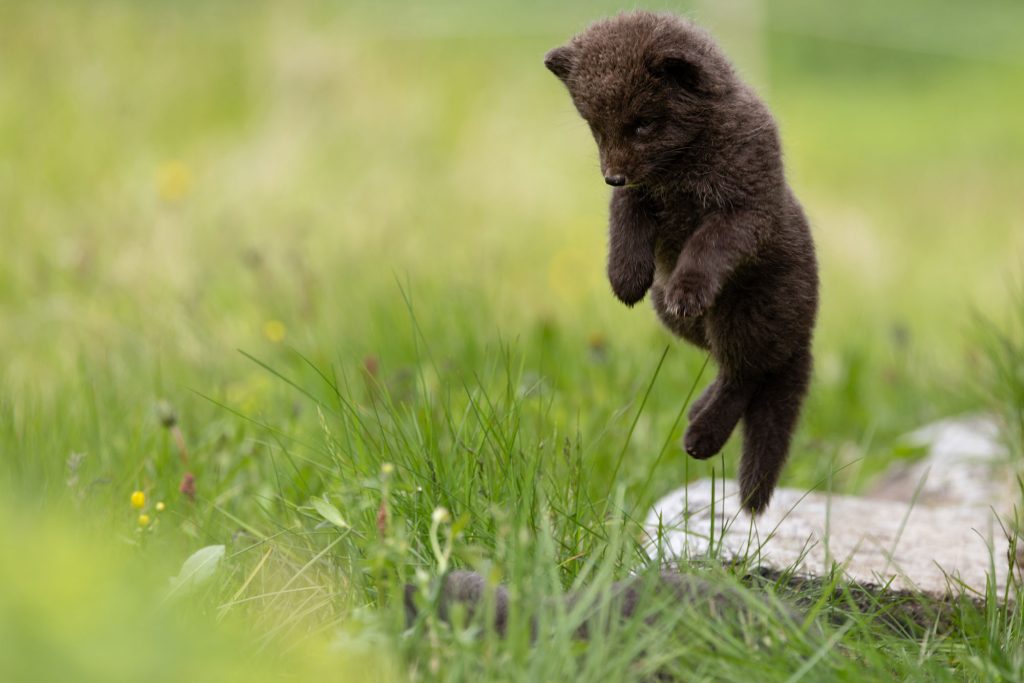
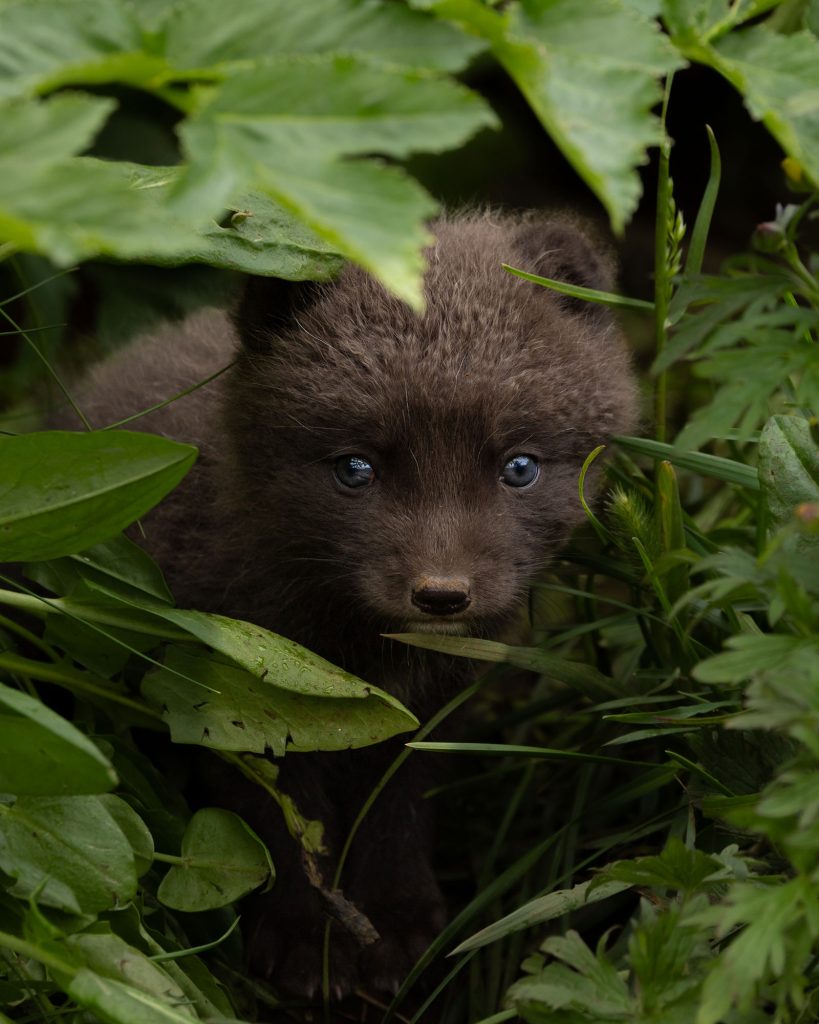
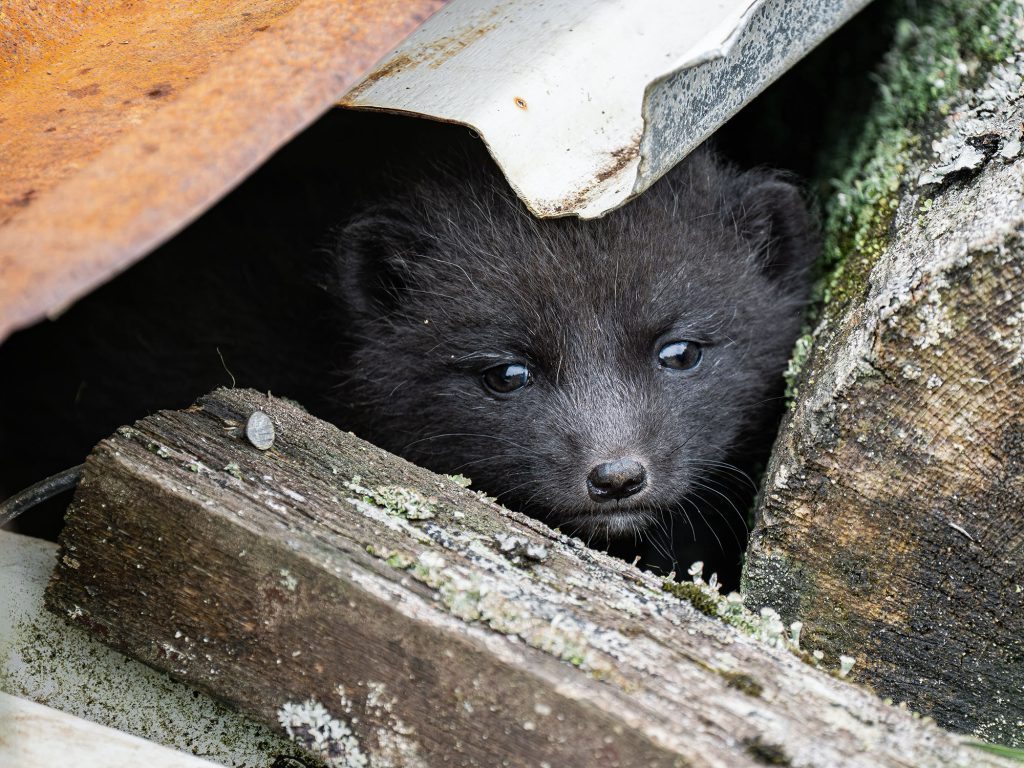
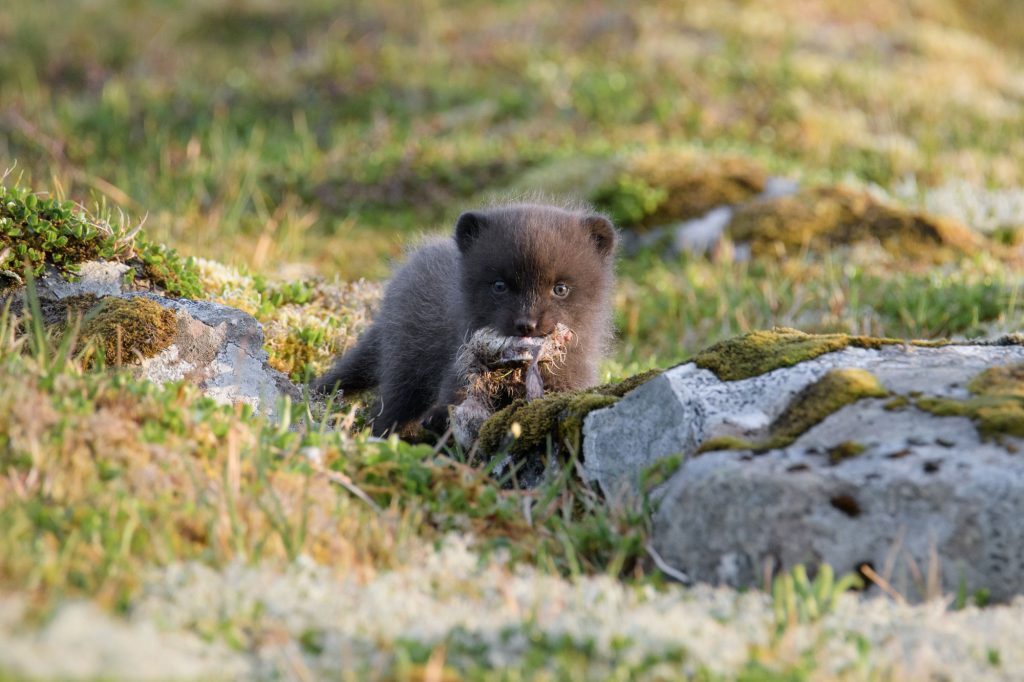
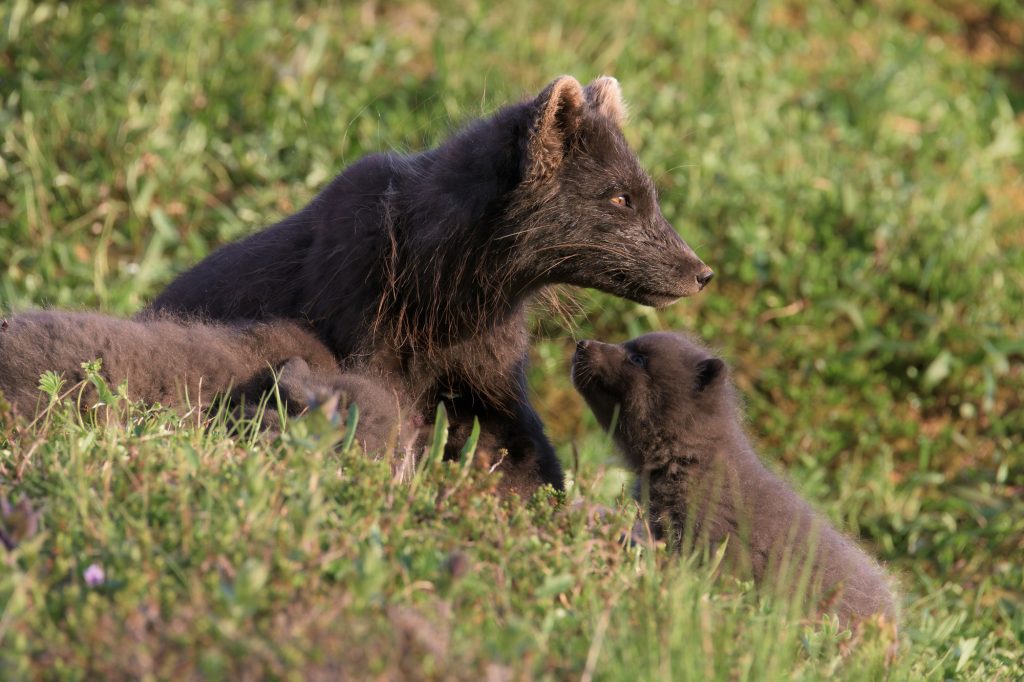
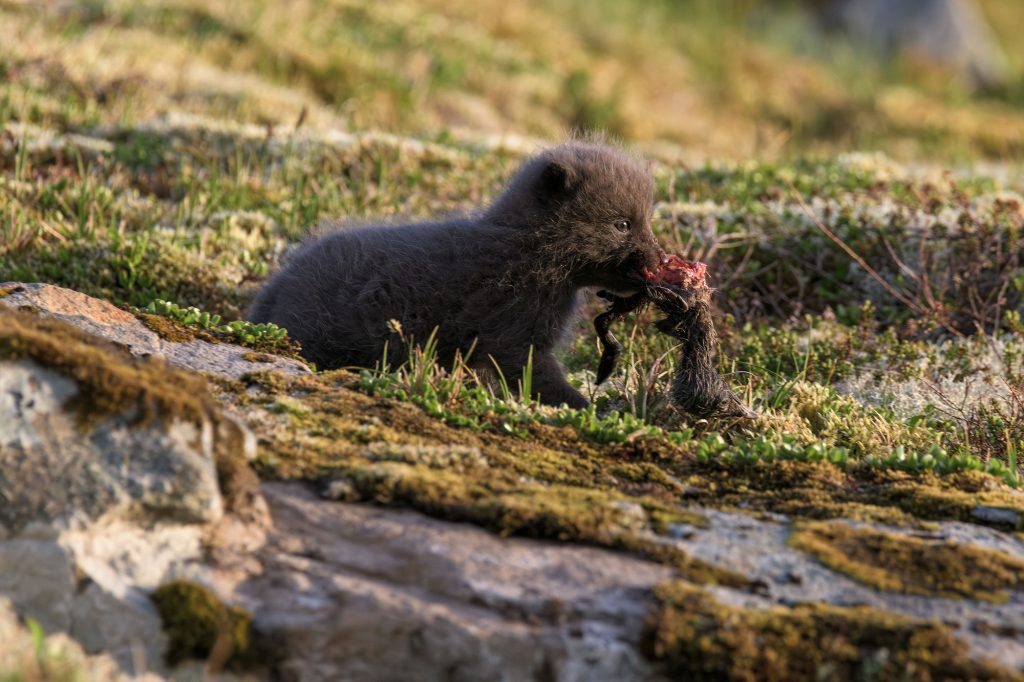
This year, by contrast, we were delighted to see that litter success looks very promising. The first surprise was the exceptionally large size of the litters. The smallest we observed had 7 kits, even at beach dens. As a reminder, beach territories are less rich than cliff territories, so litters there are usually smaller.
The boat crossing
Our camp for the Arctic fox photo tour in Iceland can only be reached by boat. The crossing takes between 2.5 and 3.5 hours and can offer plenty of photo opportunities. But it can also be tough for anyone prone to seasickness.
This year, the ocean was fairly kind to us. The swell was limited and both the outbound and return crossings were short. Photographers prone to seasickness simply slept, and we woke them up on arrival.
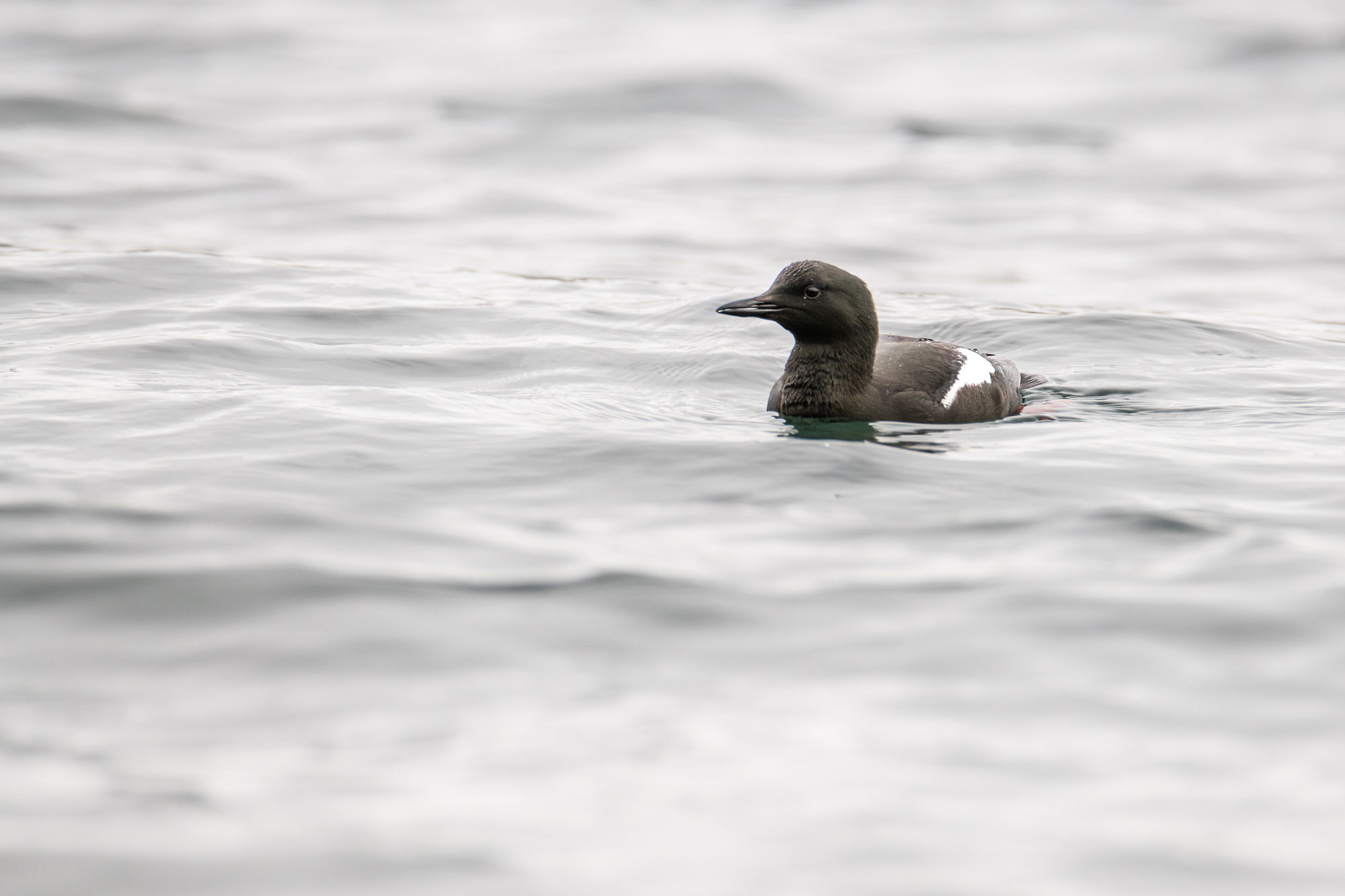
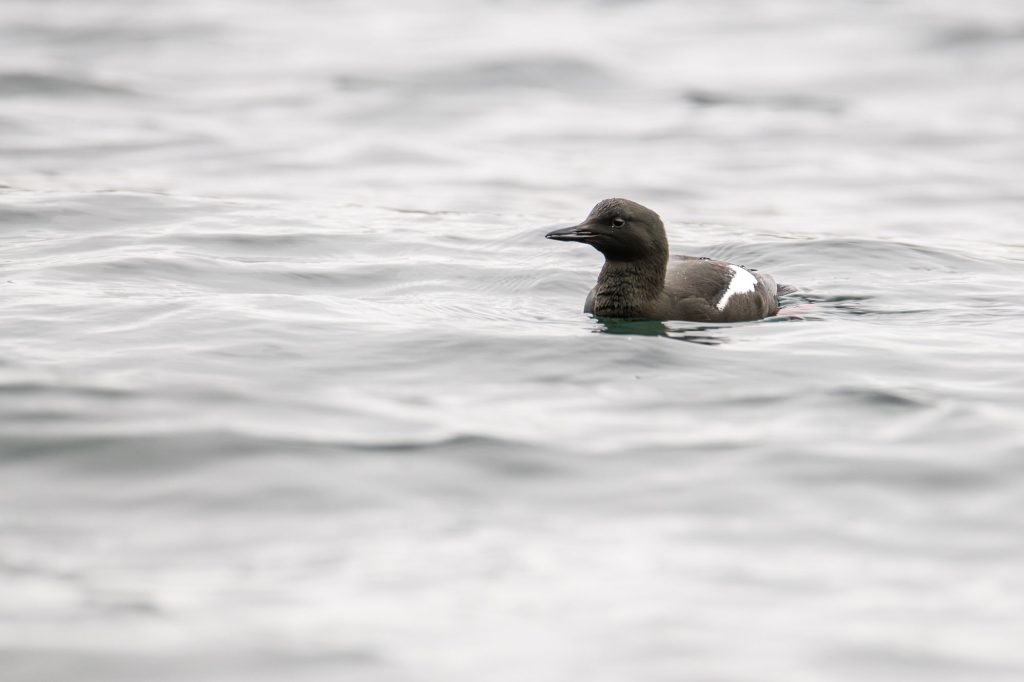
During the crossing, we saw a huge number of seabirds: guillemots, Atlantic puffins, fulmars and more. Unfortunately, the groups of humpback and minke whales that often frequent the area were absent.
The weather during the photo tour
This year, Thor was generous with us! We enjoyed very favourable weather throughout the trip. Well, almost… The second-to-last day brought a small storm that damaged a section of our shelter, forcing us to reduce its size for a day to prevent further damage. Fortunately, the storm lasted only 24 hours and we were quickly able to get back to normal.
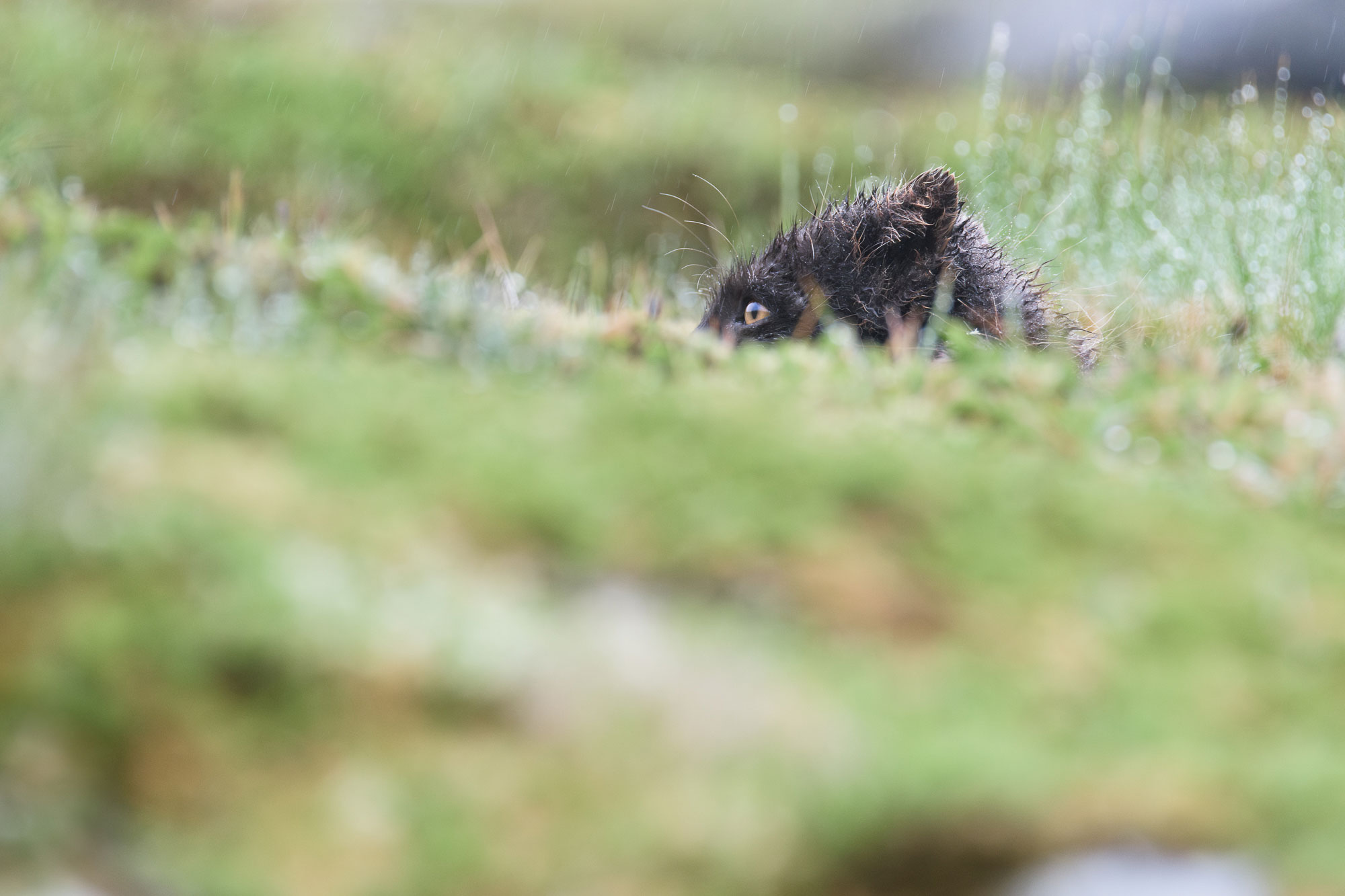
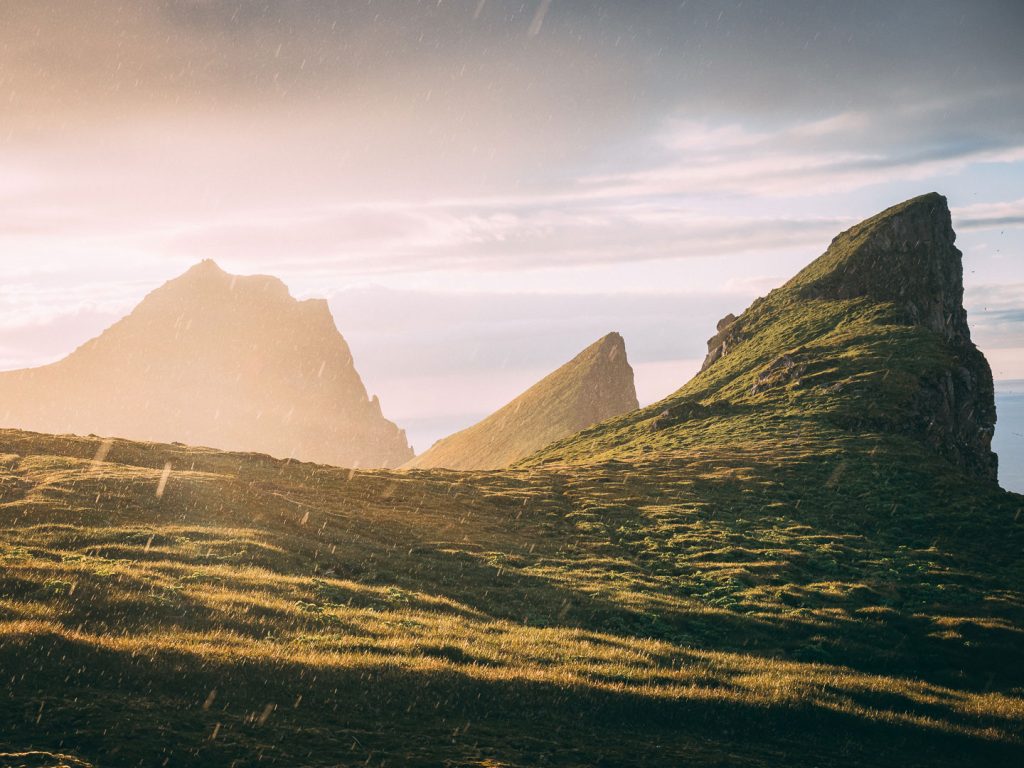
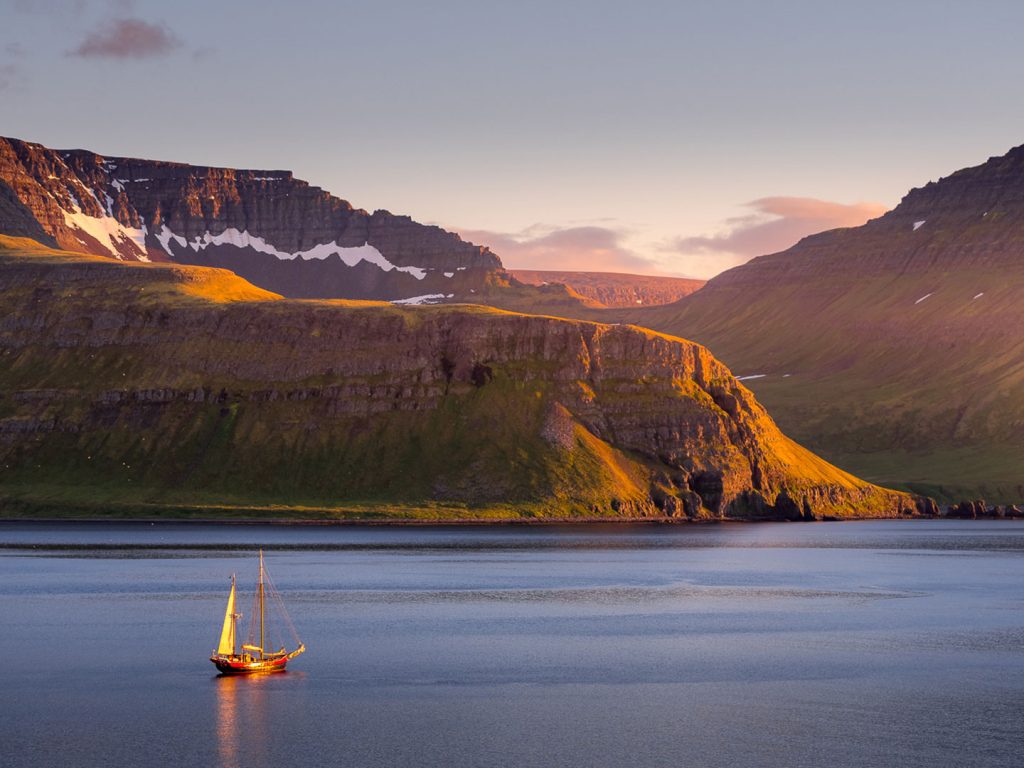
During this photo tour, we were lucky to enjoy a wide variety of light: from misty atmospheres to the golden glow of the midnight sun, through heavy cloudy skies and dramatic moods.
We never know what weather to expect on our Arctic fox photo tour, as the climate in Iceland is so unpredictable. But in summer 2026, we made the most of every moment, and the participants stayed active day and night, taking advantage of everything nature had to offer!
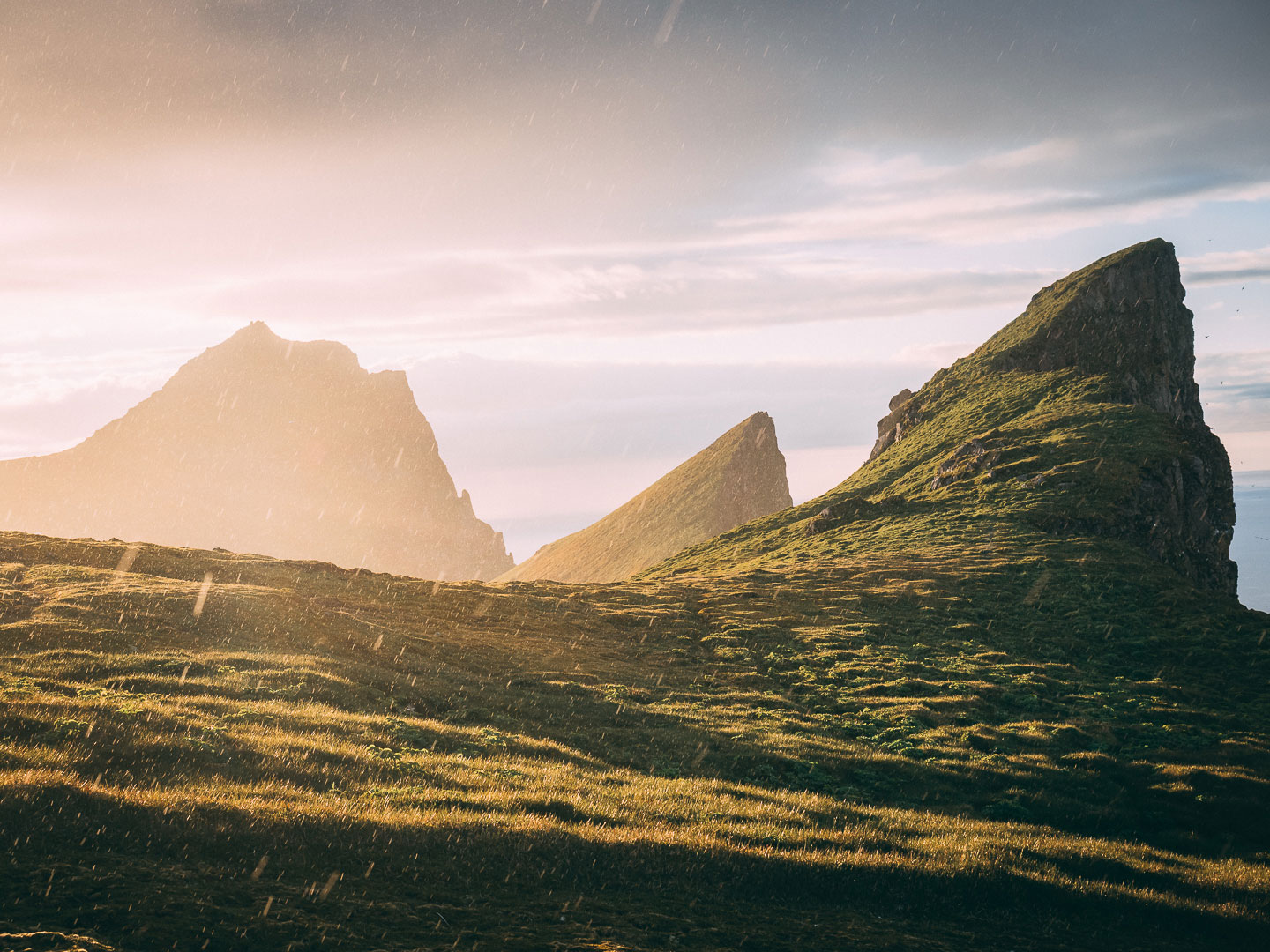
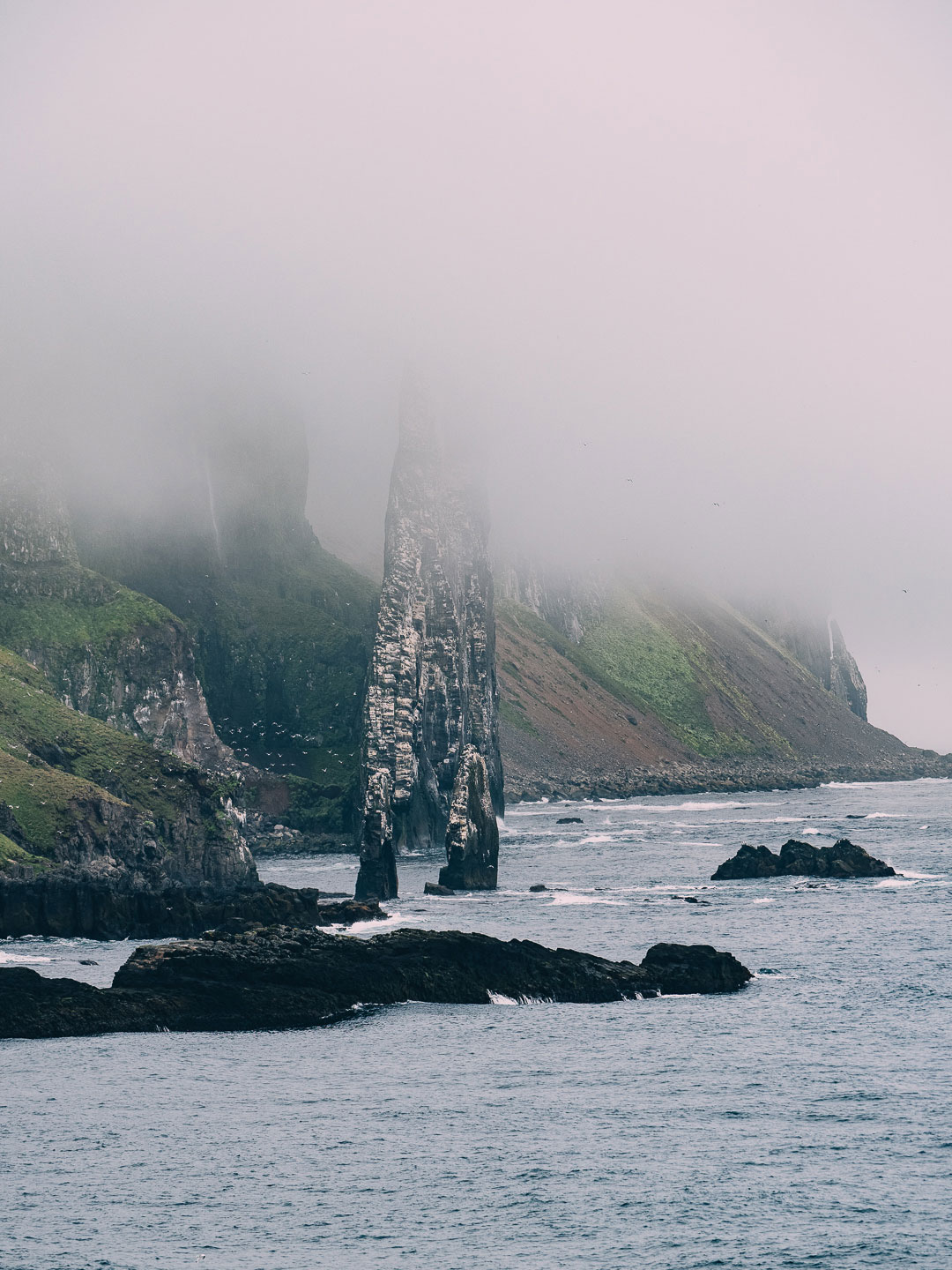
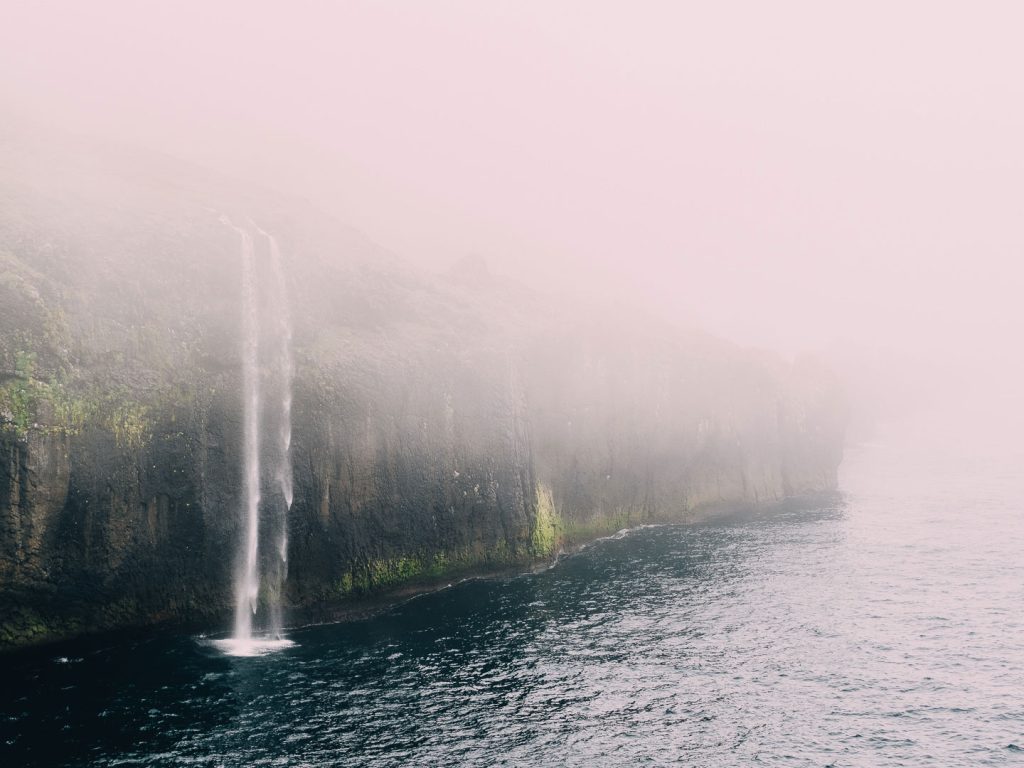
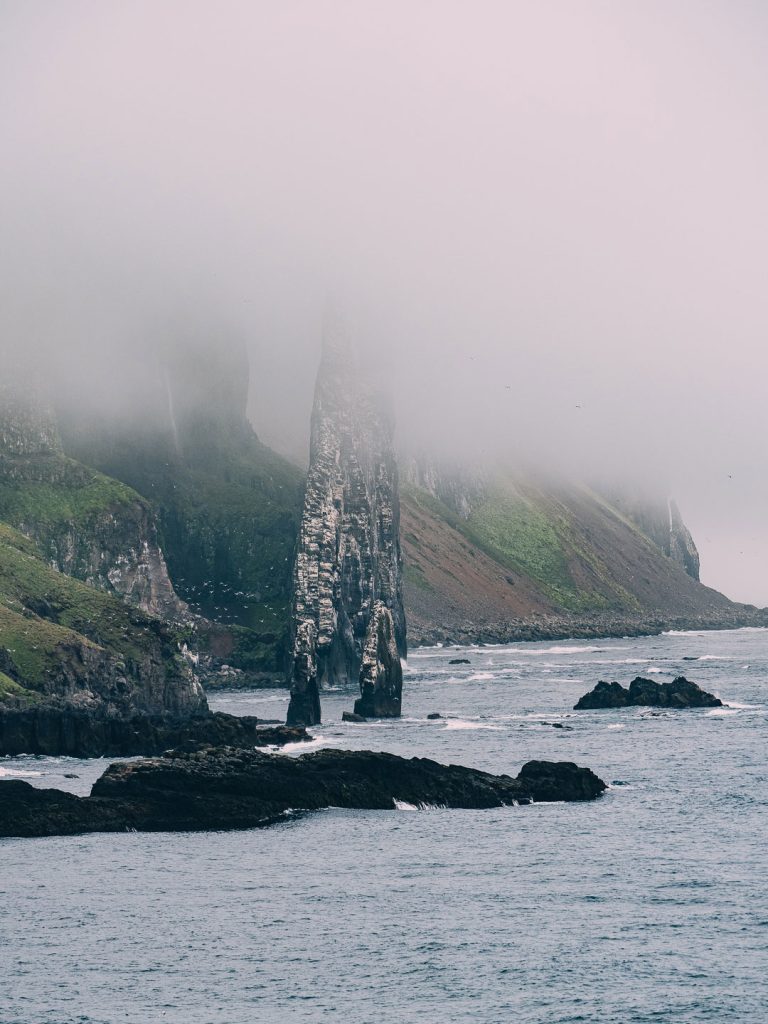
Hornbjarg cliffs
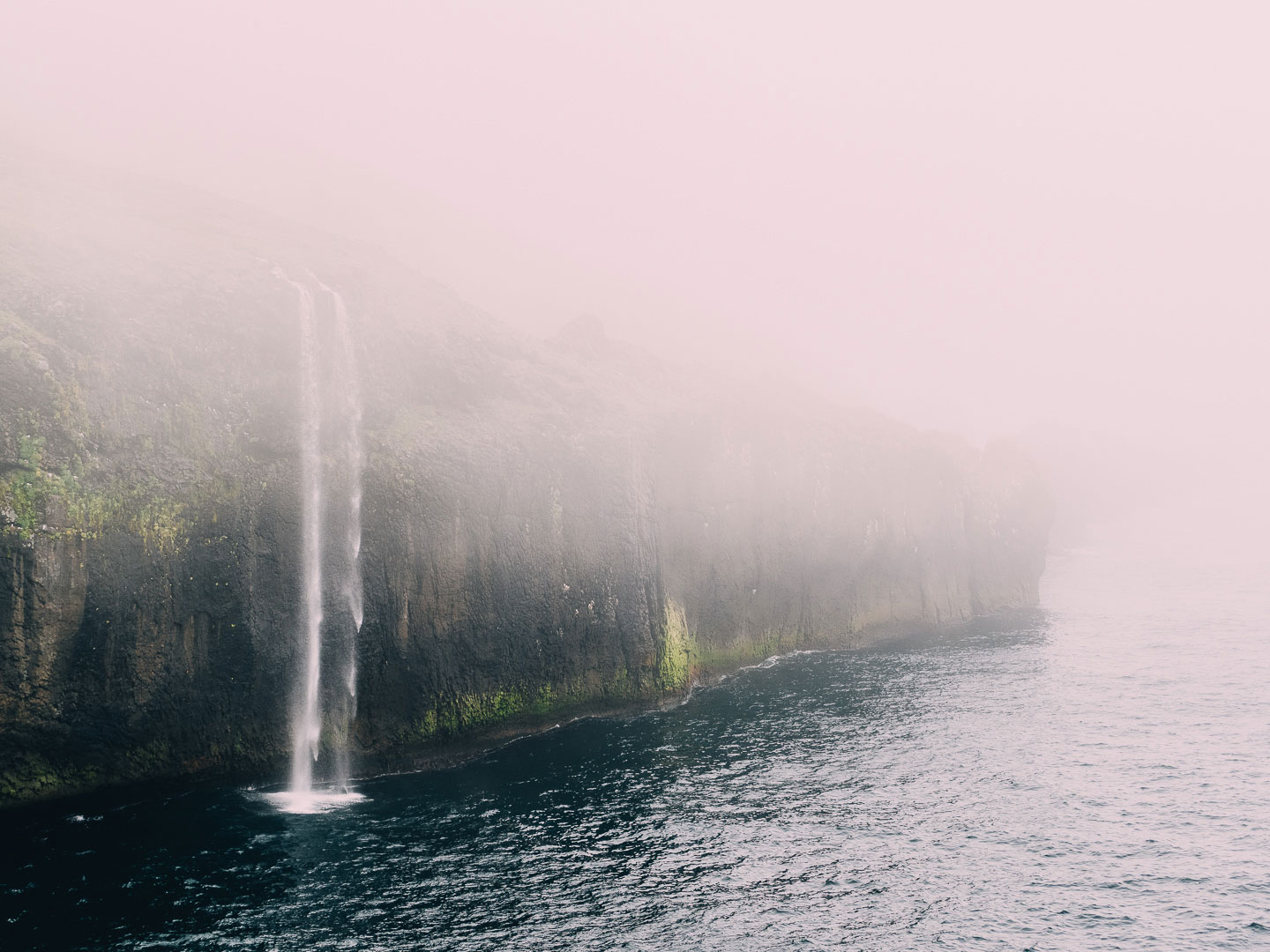
Hornbjarg cliffs in the fog
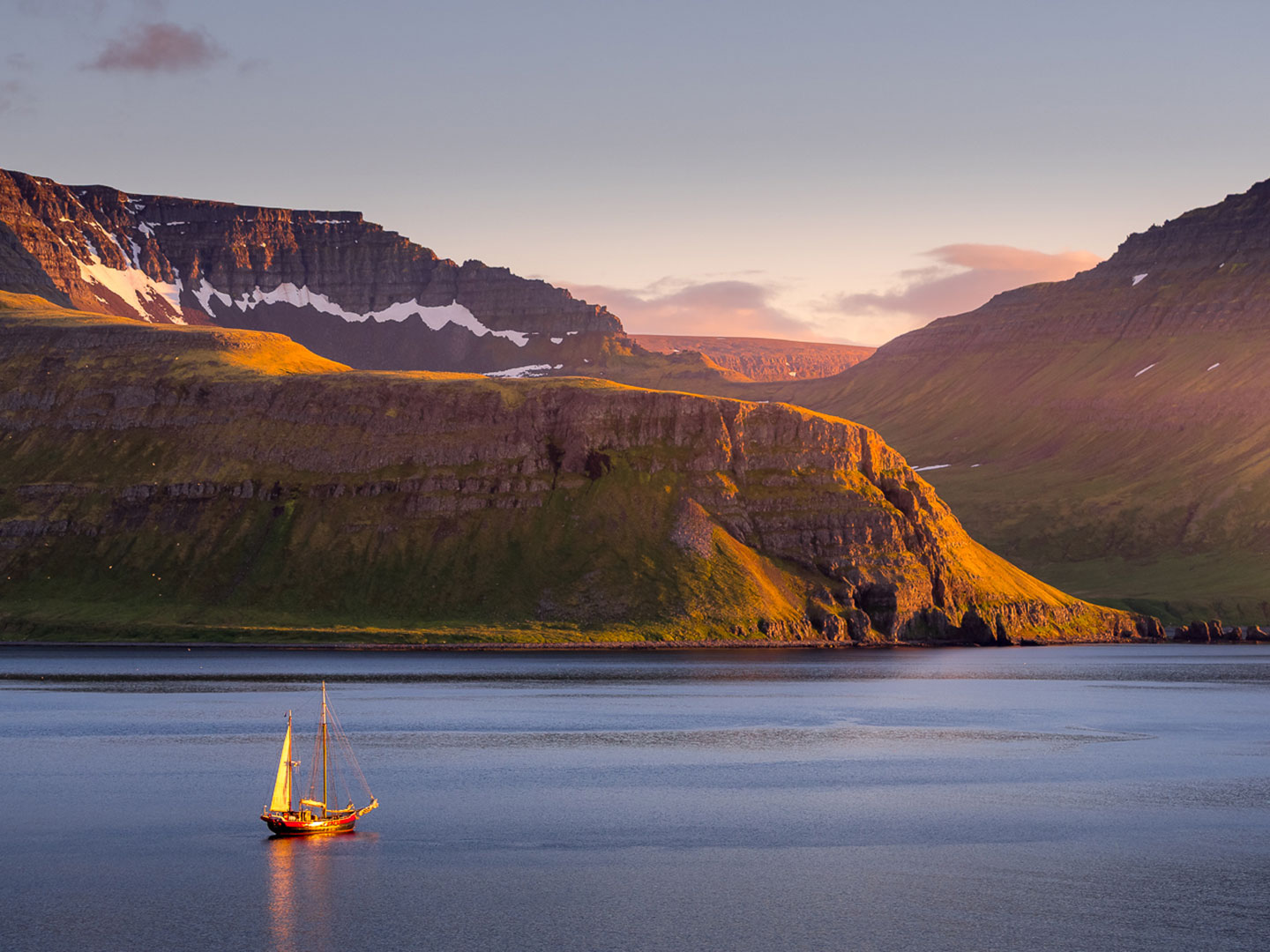
Hornvik bay
The hard moments
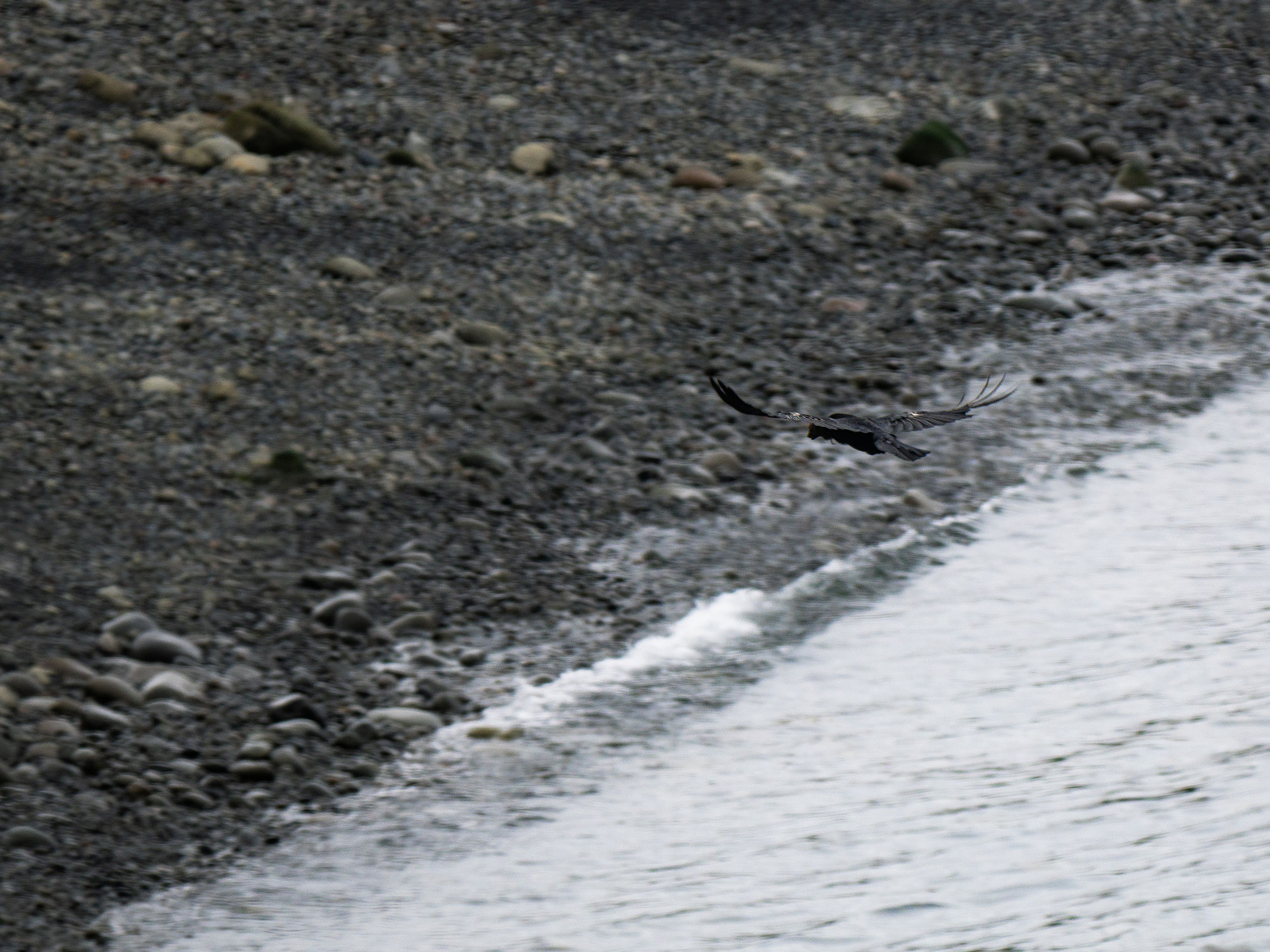
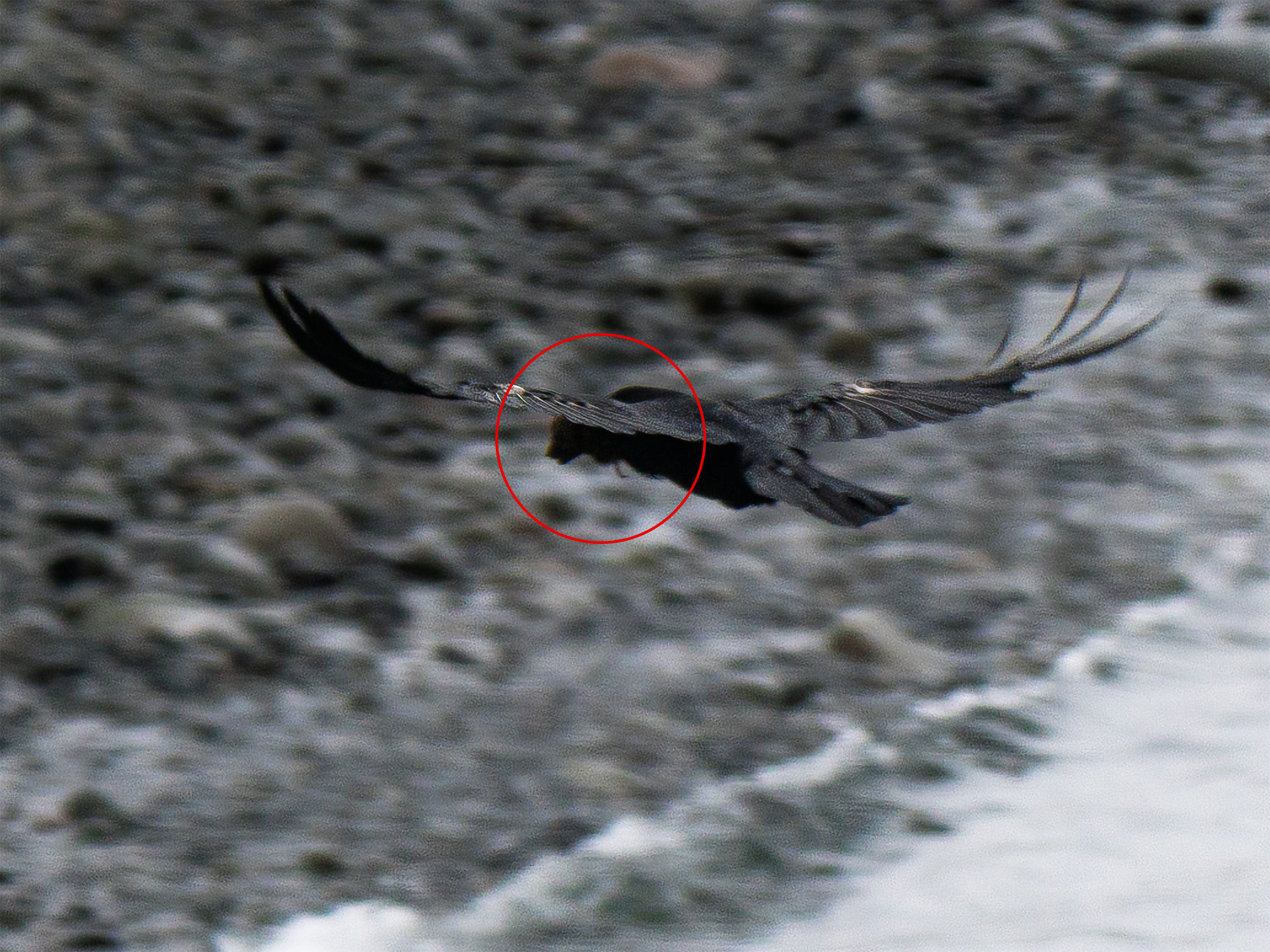
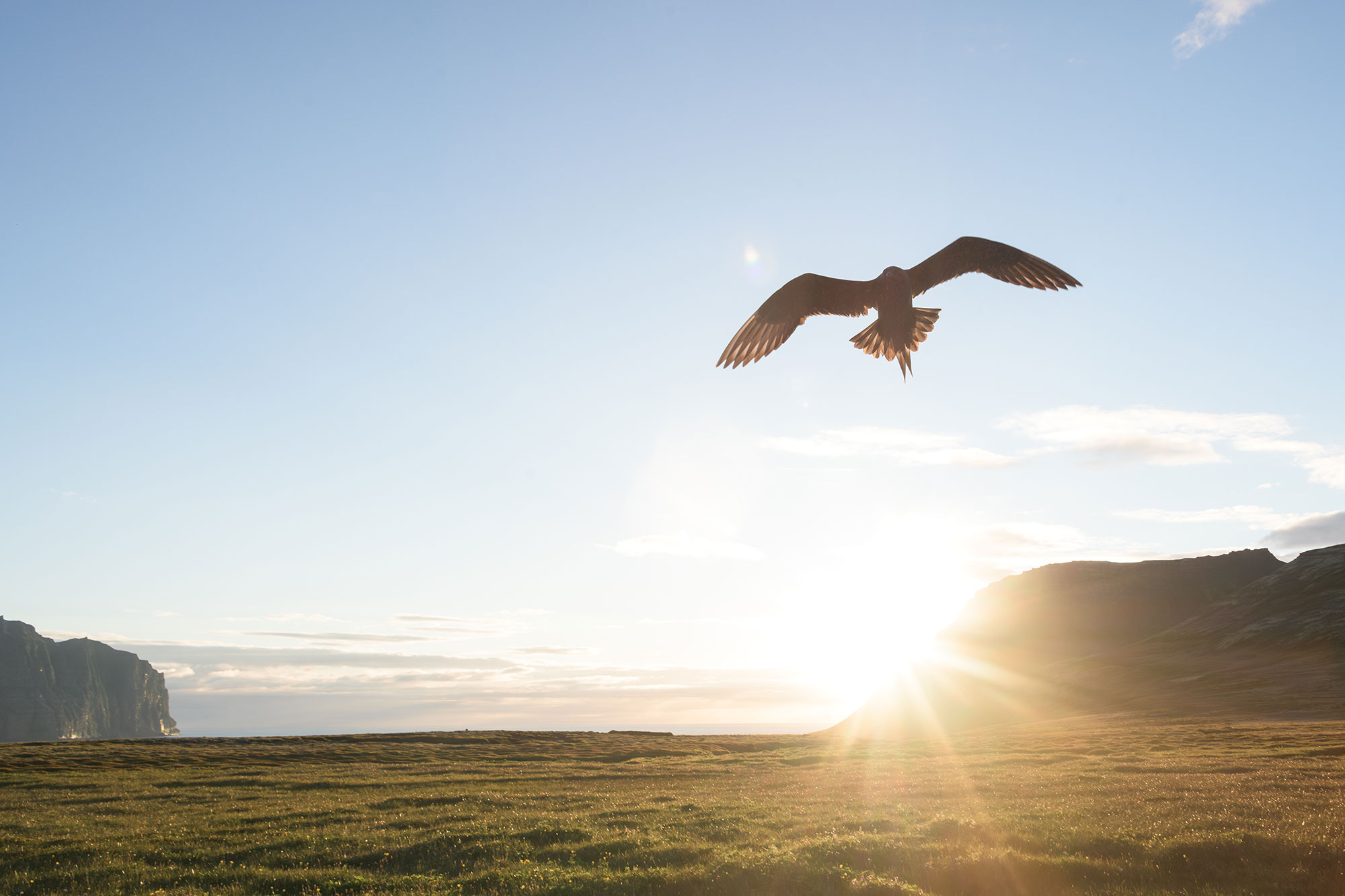
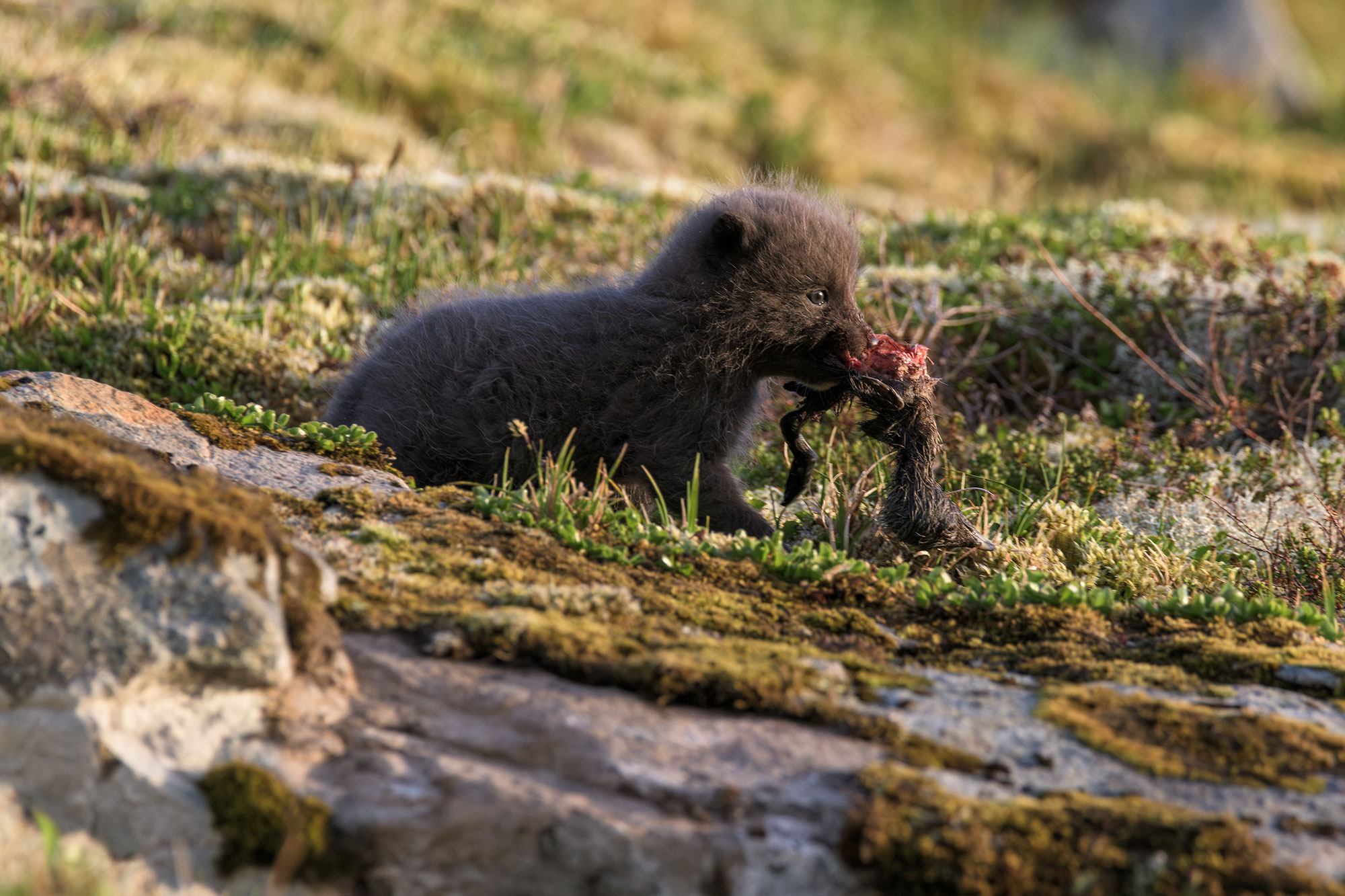
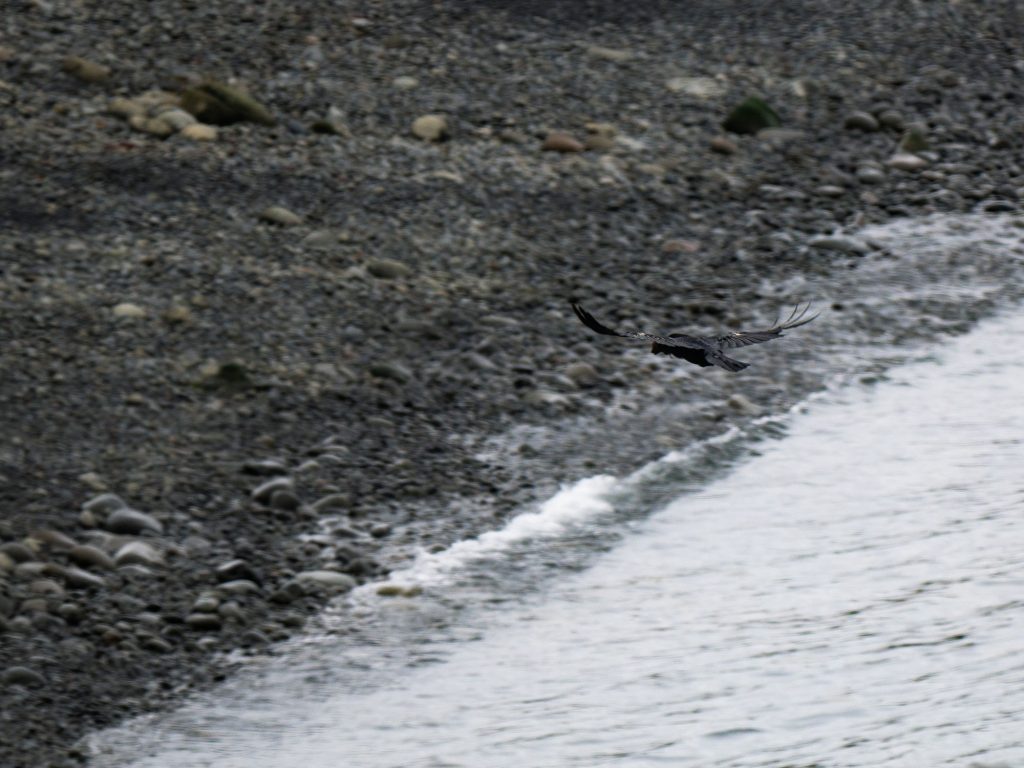
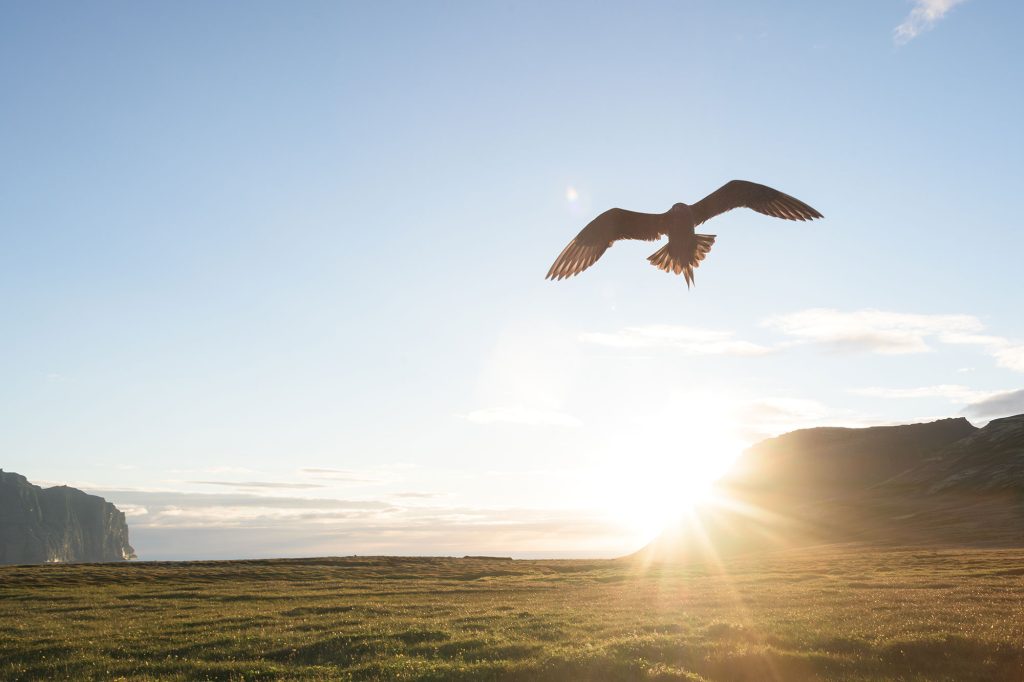
As we all know, nature is as majestic as it is ruthless, all the more so in extreme regions. While we are used to watching Arctic foxes prey on other species, in June 2026 we witnessed a rare scene: common ravens preying on a litter of Arctic fox kits.
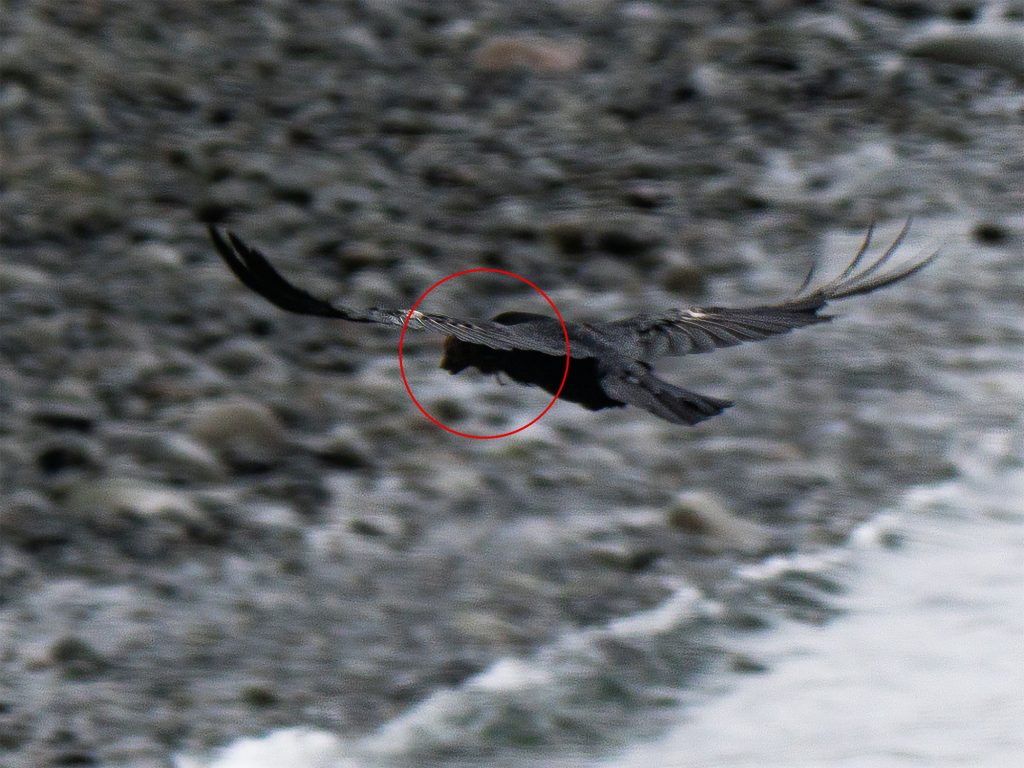
Technically, we only saw one kit killed and carried off by a common raven. But within 24 hours, this litter of 7 kits had vanished, and we repeatedly saw the raven right next to the den. There was therefore a strong likelihood that the raven had taken the whole litter. At least, that is what we thought, until Samy (one of our guides) found a surviving kit, a month after the tour.
It should also be noted that this den was in a very poor location. The vixen had decided to give birth right in the middle of a hiking trail. Several times we saw hikers almost step on the kits. And even though we asked a number of people to walk around that section of the trail, we could not stay nearby at all times.
We hesitated to show you this predation in pictures, but in the end we chose to share this observation. The photo is of poor quality because we were far from the scene, but the silhouette of the kit is clearly visible.
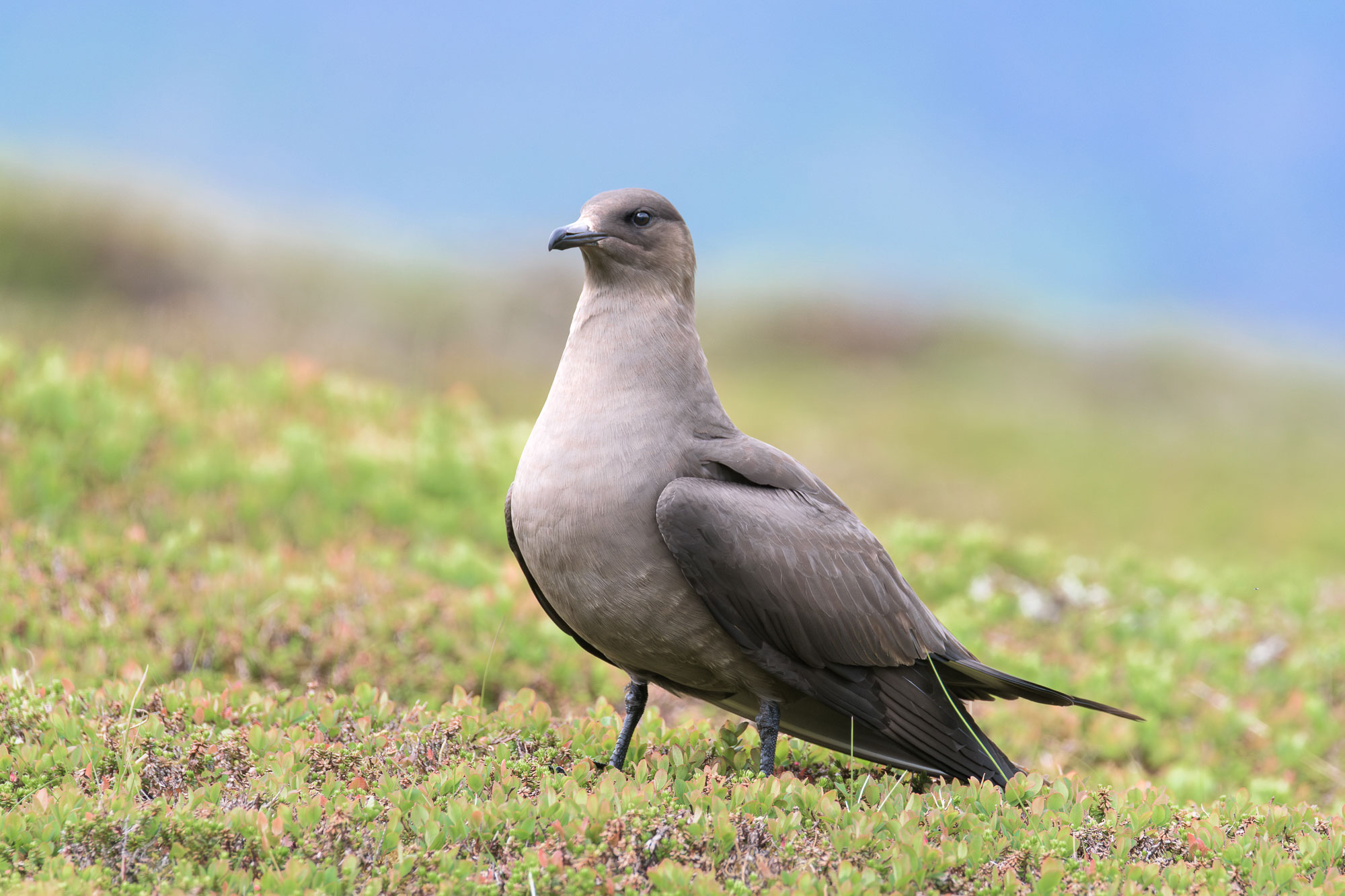
Moments like these are part of life as a wildlife photographer. We pay close attention to the competition between Arctic foxes and common ravens in Iceland. Difficult as these scenes are, they remain incredible sightings.
Arctic fox cub, prey to a raven
Arctic fox cub, prey to a raven
Arctic foxes in 2026
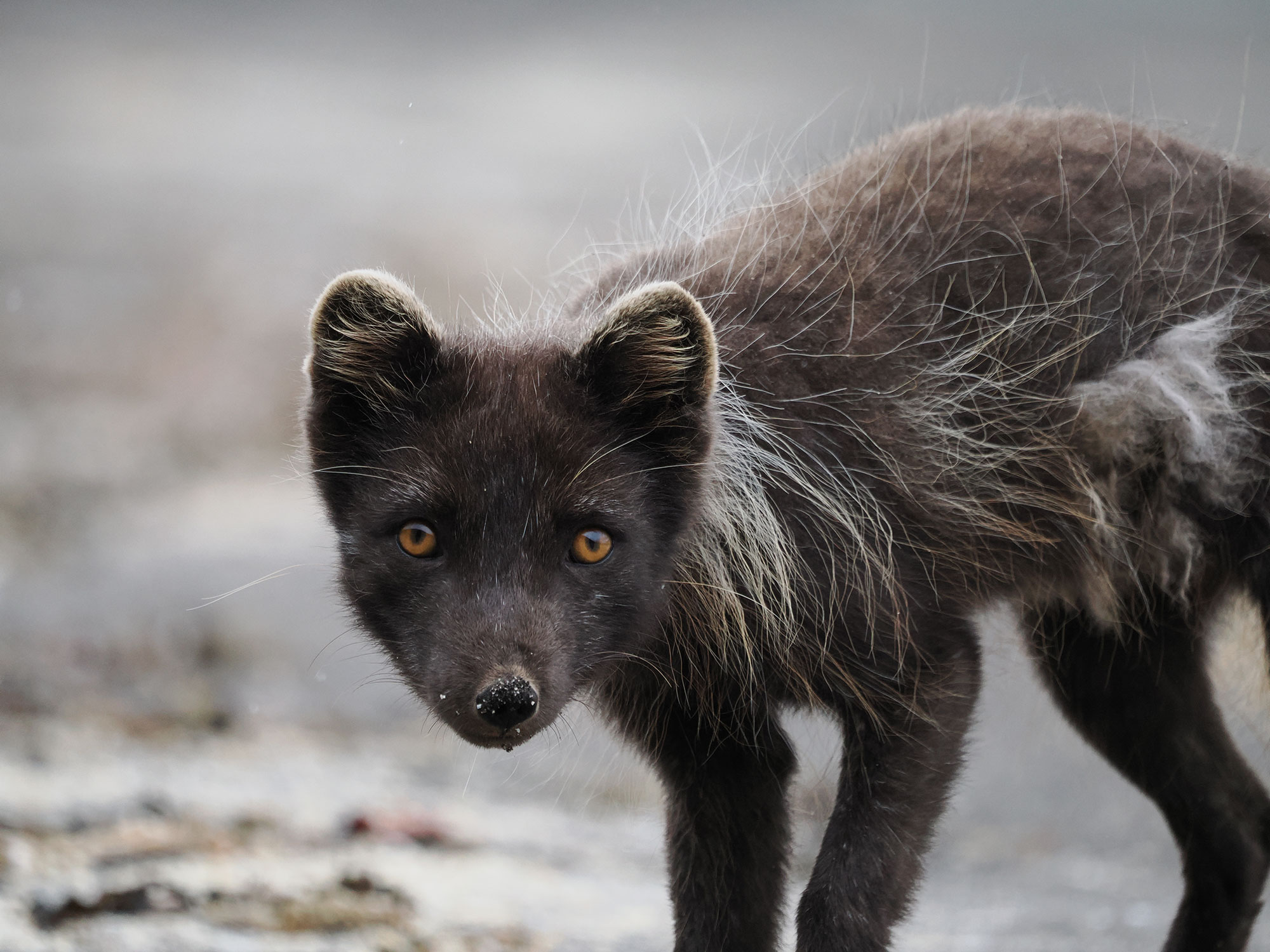
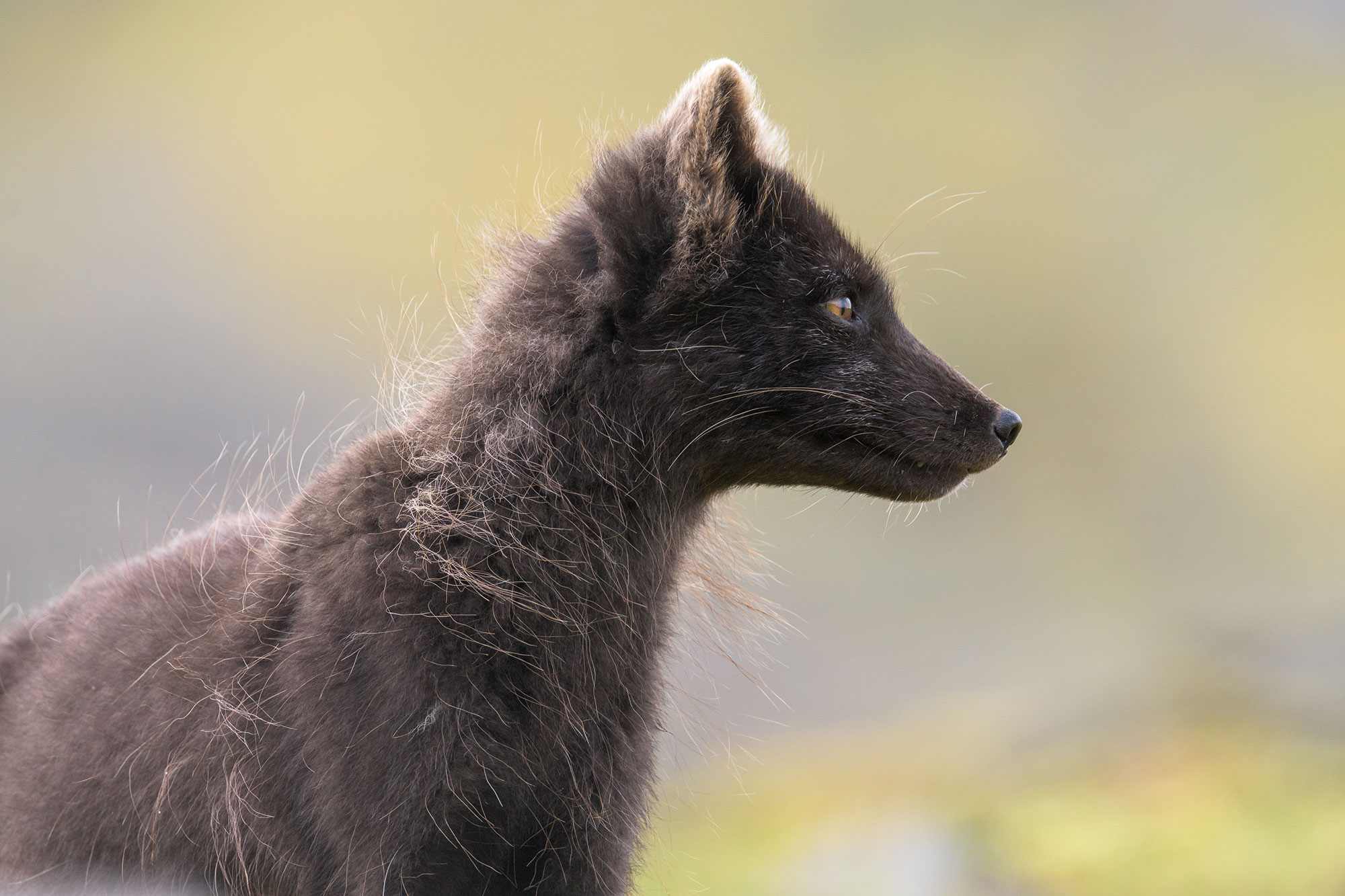
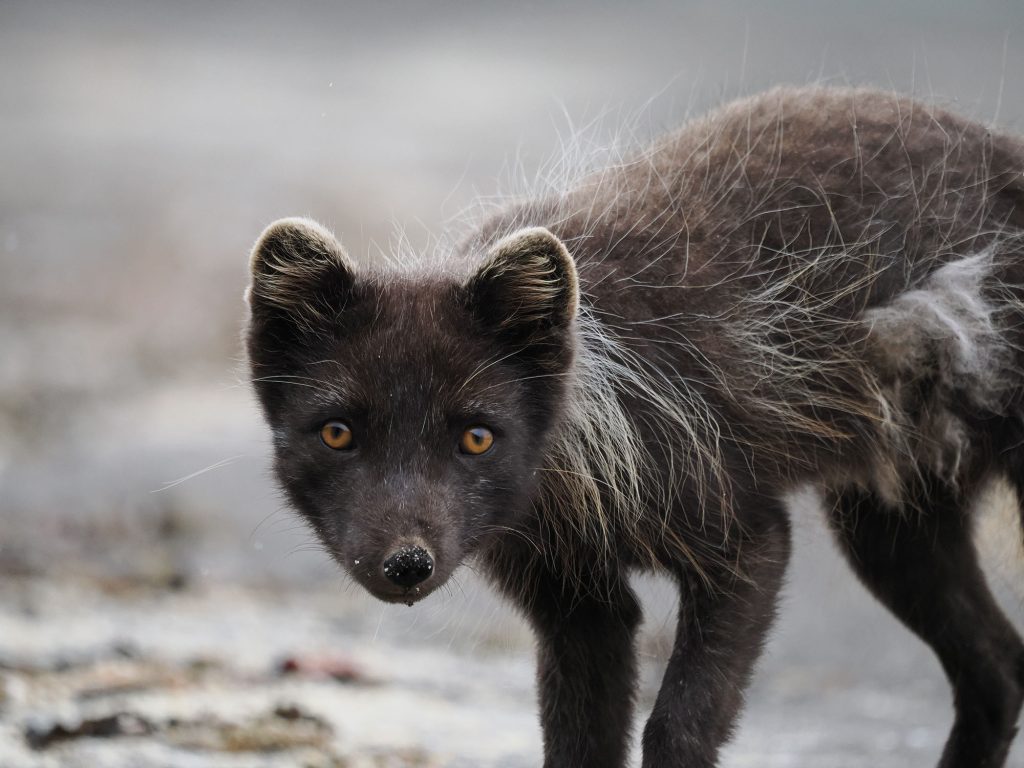
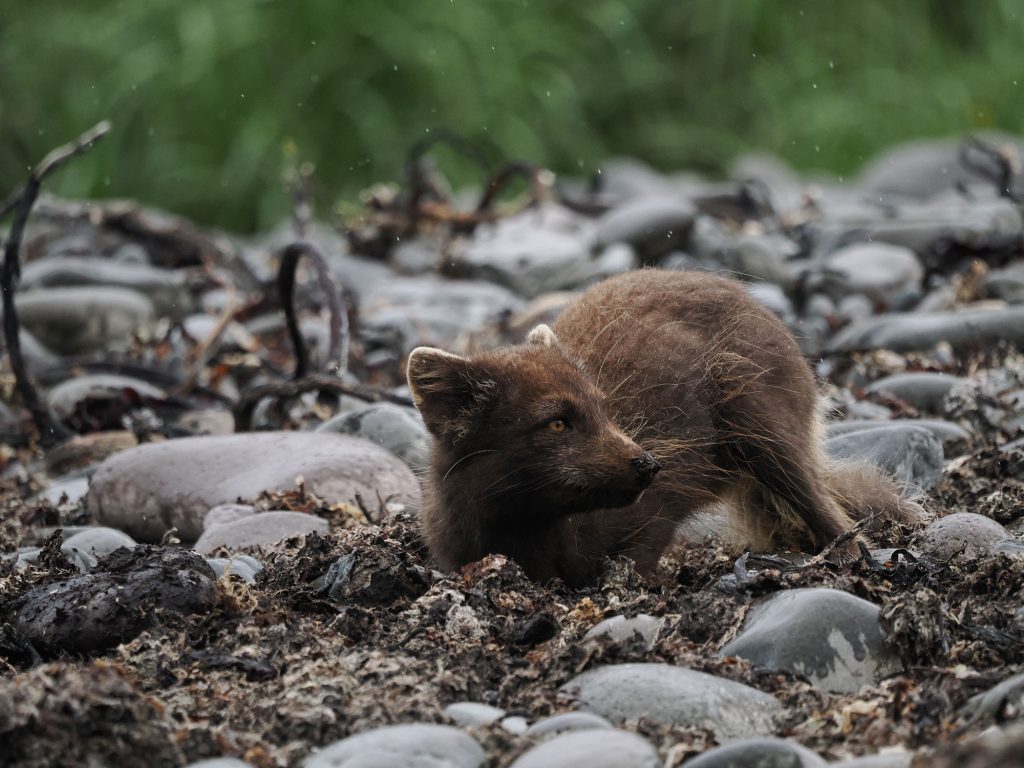
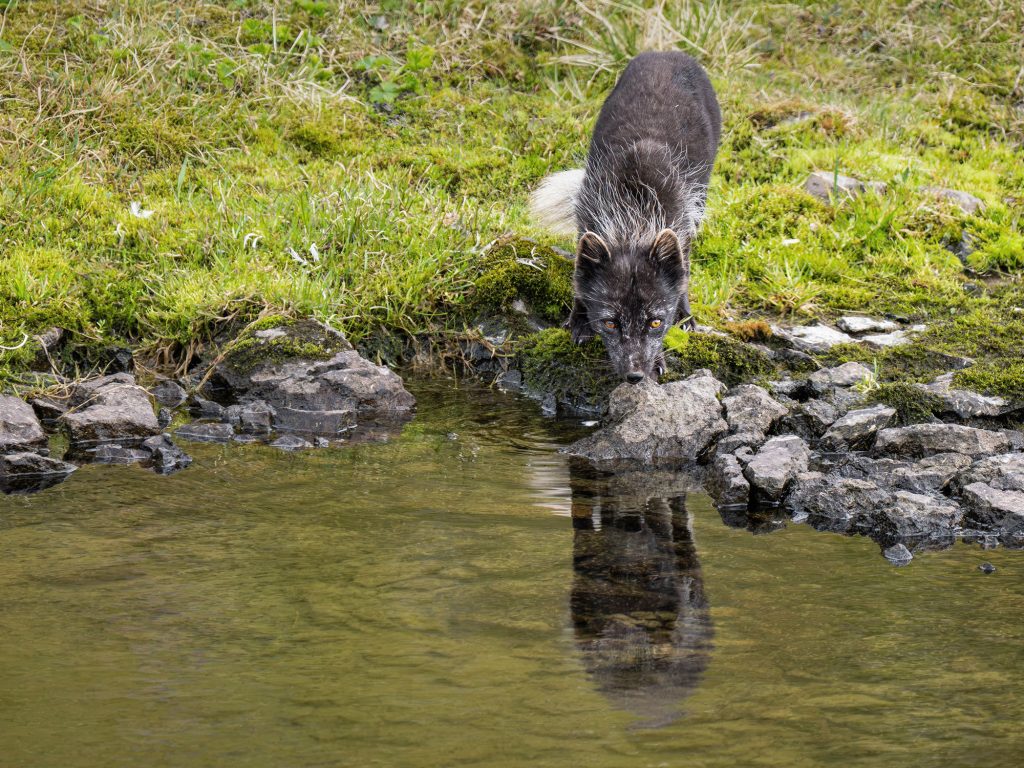
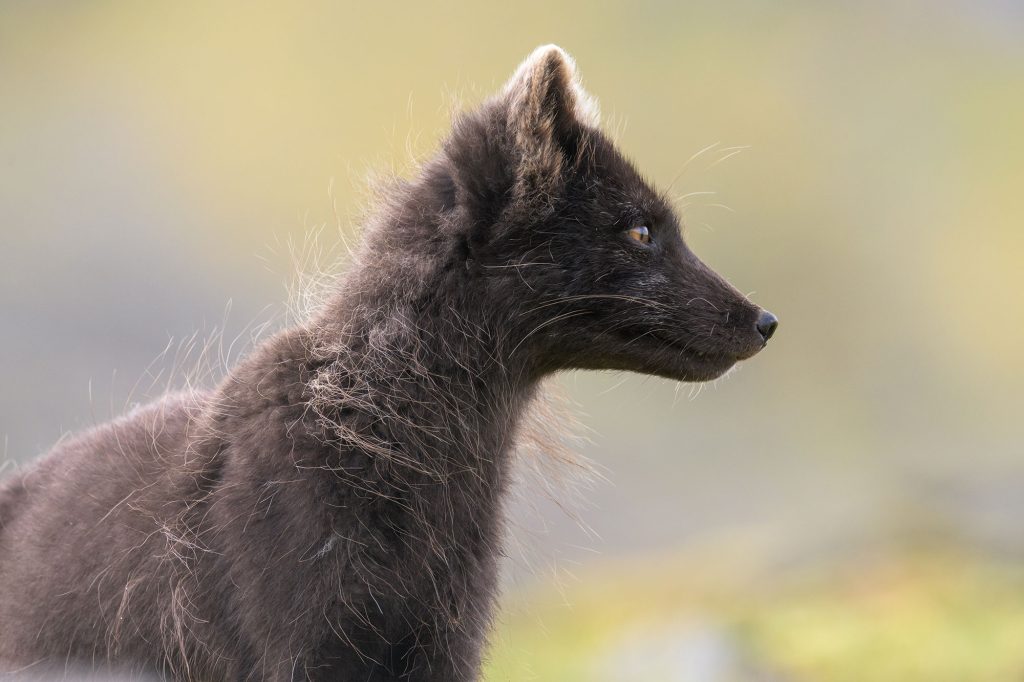
We can’t say it often enough: in the face of climate disruption and its consequences for Iceland, the lives of Arctic foxes are changing before our eyes. But if we love this species so much, it is because of its extraordinary ability to adapt. Foxes are known to be opportunistic, and we see proof of it every year.
Once again this year, we observed foxes in unusual situations. The best sighting was made by Arielle and Fábio, who watched an Arctic fox cross a river, with a fish in its mouth no less! Unfortunately, the current was strong and the fox lost the fish during the crossing.
You can read this story in the excellent article “Survival: The story of the Arctic Fox“, written by wildlife photographer Arielle Lokadóttir, who took part in this photo tour. We warmly invite you to visit her beautiful website, An Owl in Iceland.
This behaviour can no longer be classed as a rare event: we now observe it every year. But we don’t yet know how the story continues. Will foxes eventually start hunting in the water? Could some accessible prey, in rivers or in the ocean, draw them in?
Year after year, we will follow this evolution with the photographers who join us. It is one of the most exciting parts of our photo tours.
On a different note, we also noticed that the presence of a dog drove Arctic foxes to abandon the area within a radius of 500 m to 1 km. We had already observed the same phenomenon in Hesteyri fjord in previous years.
This subject interests us because foxes (in general) are able to assess how dangerous a dog is depending on the situation: in a flat, in a house garden, on a leash or not, and so on. For example, a few years ago we observed red foxes in Brussels that could tell the difference between a dog on a leash and a dog running free. When the dog was off the leash, the foxes fled. But when it was on a leash, the foxes were completely relaxed, even 10 m from the dog.
We will therefore keep observing how Arctic foxes behave around dogs in Iceland.
The camp
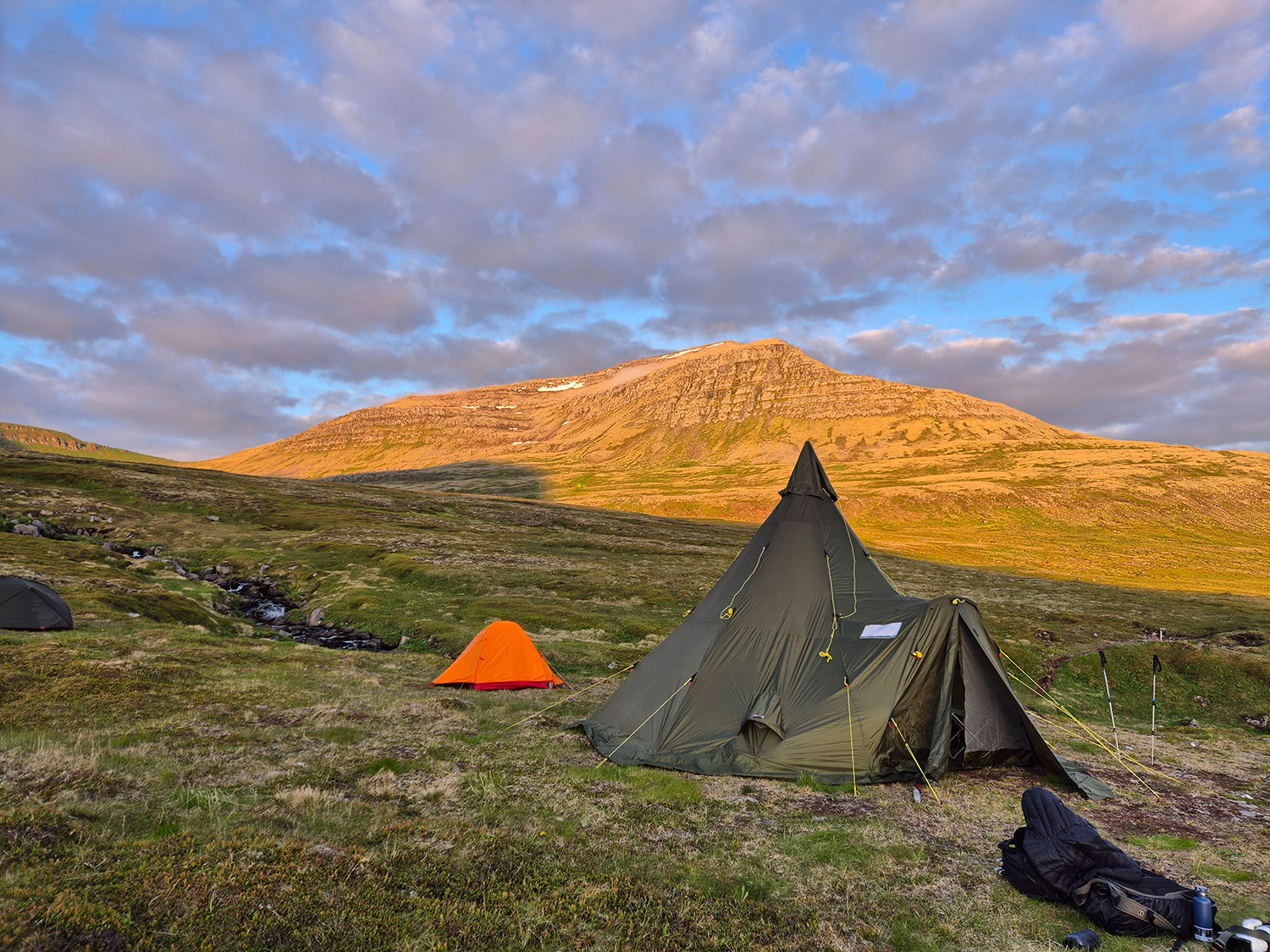
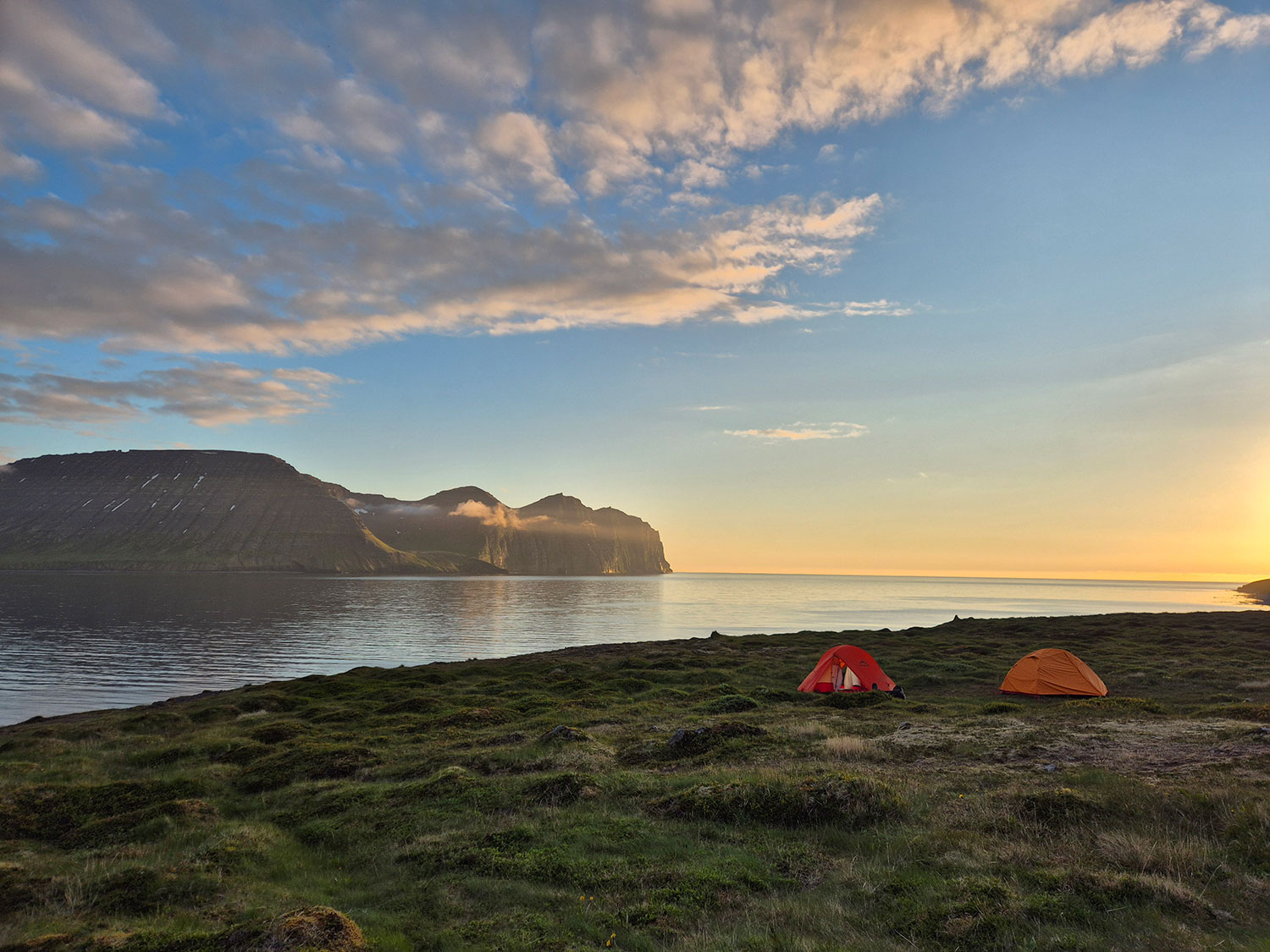
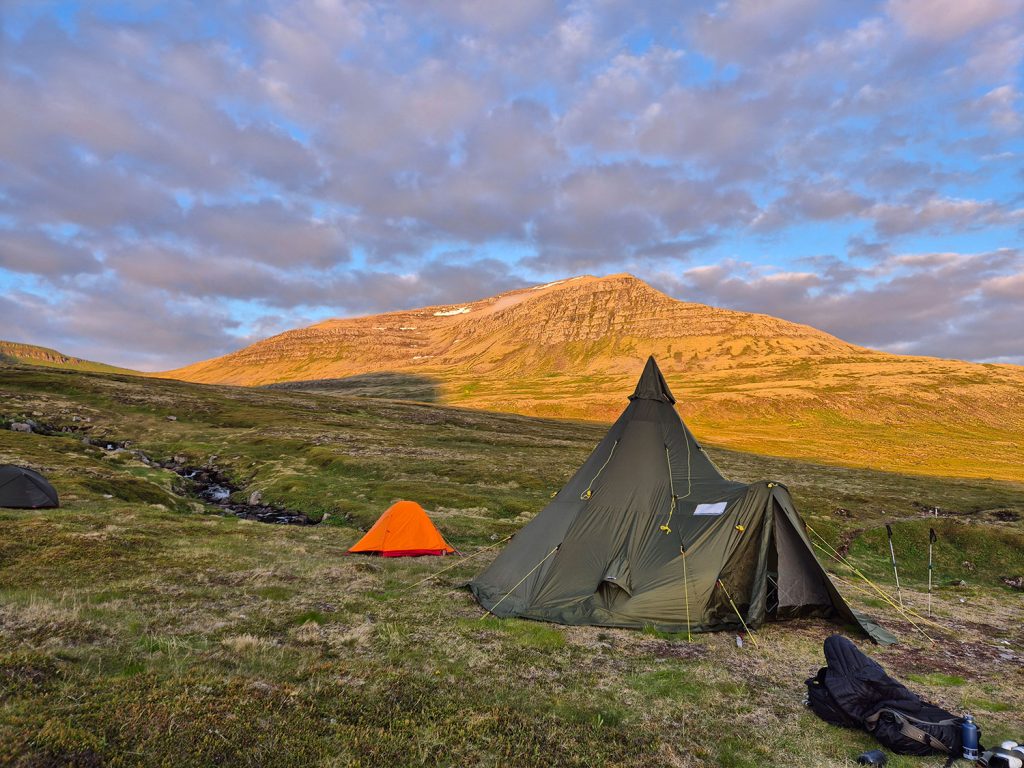
We are always looking to improve our camp and the comfort of photographers on the Arctic fox photo tour. As a reminder, we chose to be at the heart of the foxes’ territories and therefore to set up a camp, rather than stay in permanent accommodation in less interesting areas.
What’s new this year: a larger shelter, designed for 12 to 14 people. Otherwise, the equipment hasn’t changed: camping tables and chairs, cooking gear, and everything needed to settle in comfortably, sheltered from wind and rain.
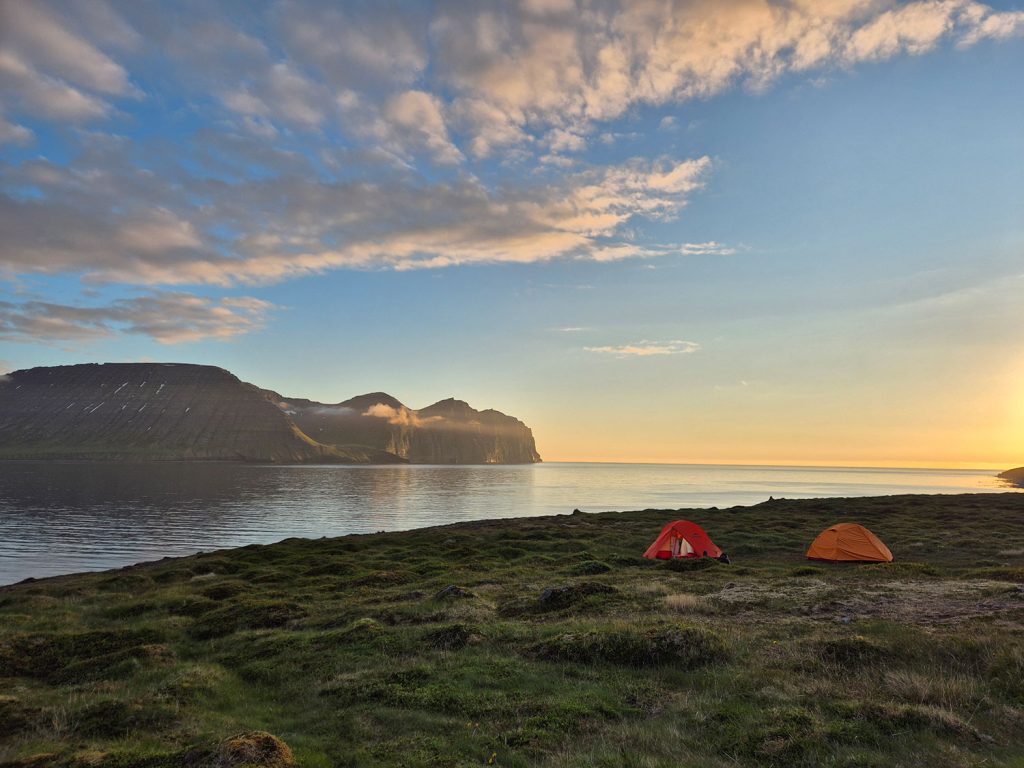
As for the tents, we still use 4-season tents and thick mattresses (16 cm), which are more comfortable than bivouac mats (7 to 10 cm). These tents proved their toughness once again this year: they held up very well against the few 80 km/h gusts we had.
Our camp for the 2026 Arctic fox photo tour
Our camp for the 2026 Arctic fox photo tour
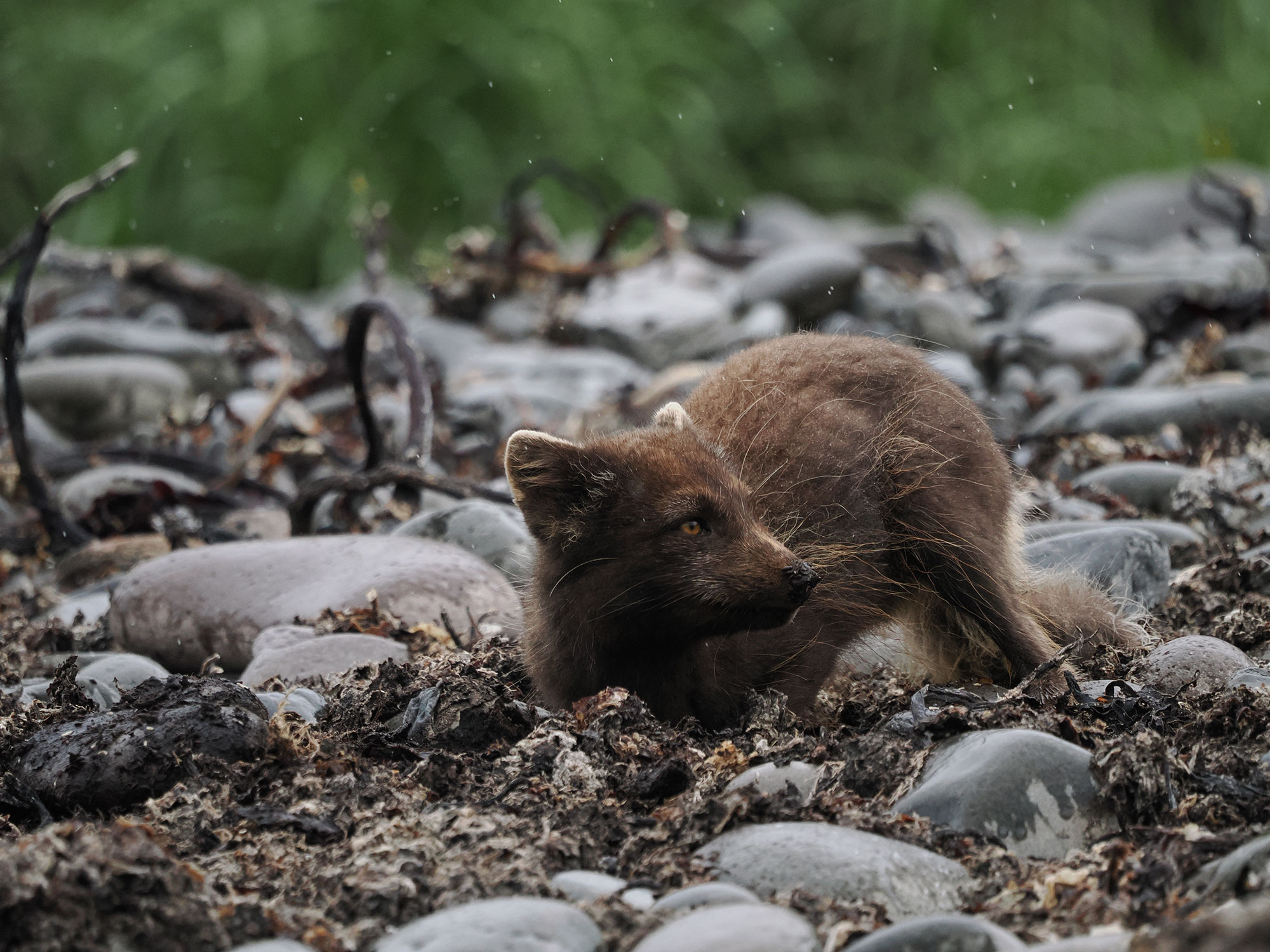
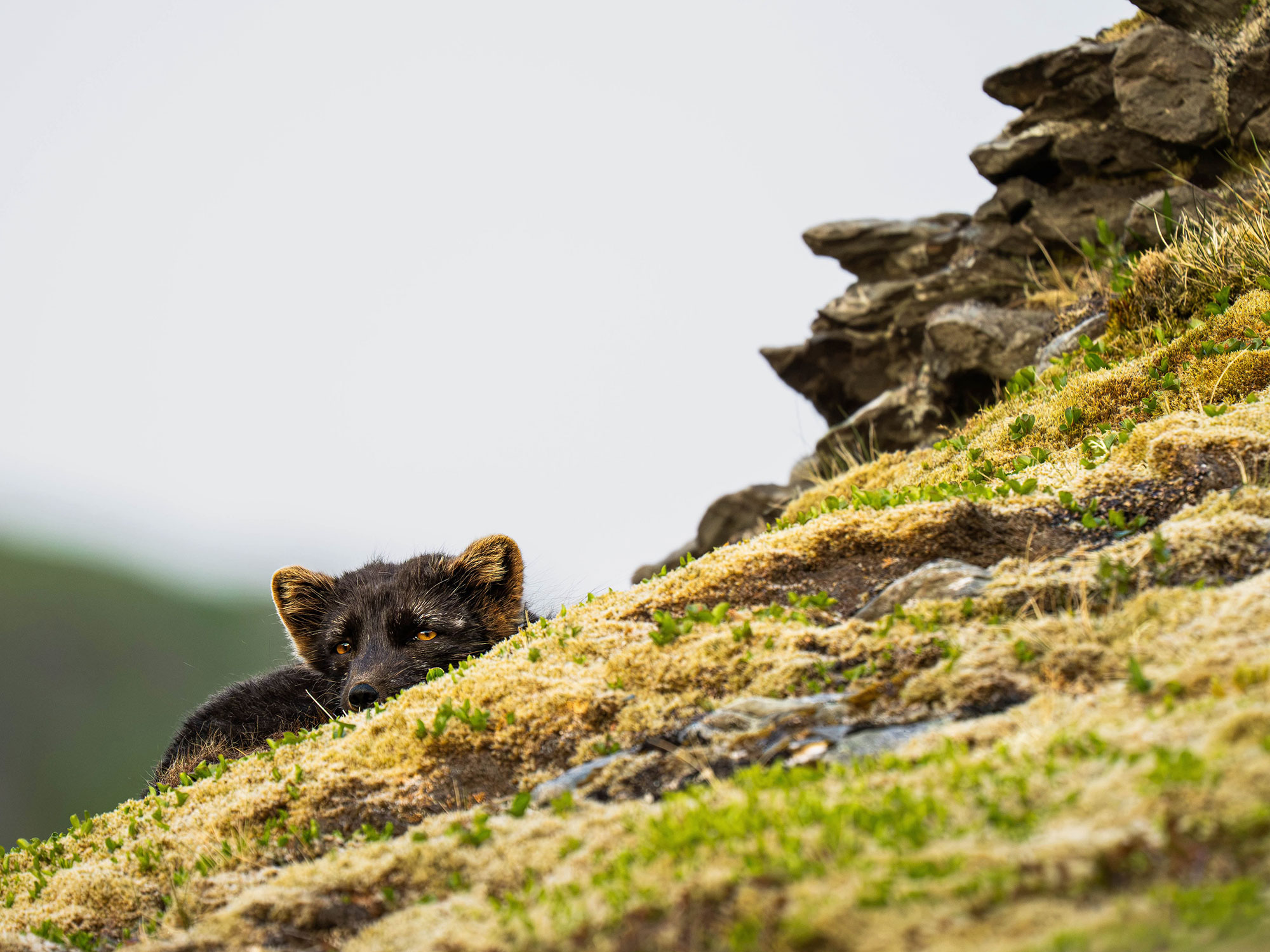
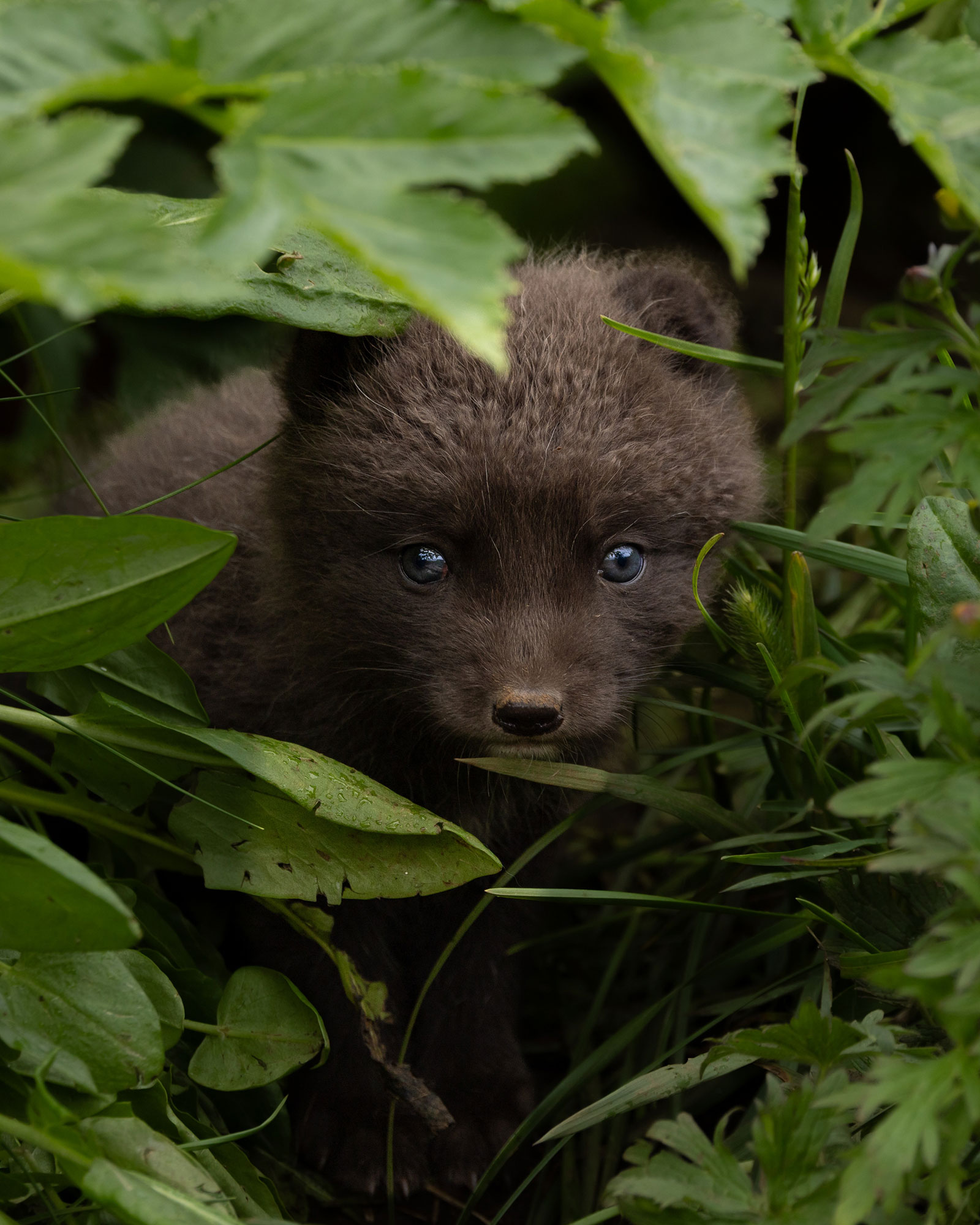
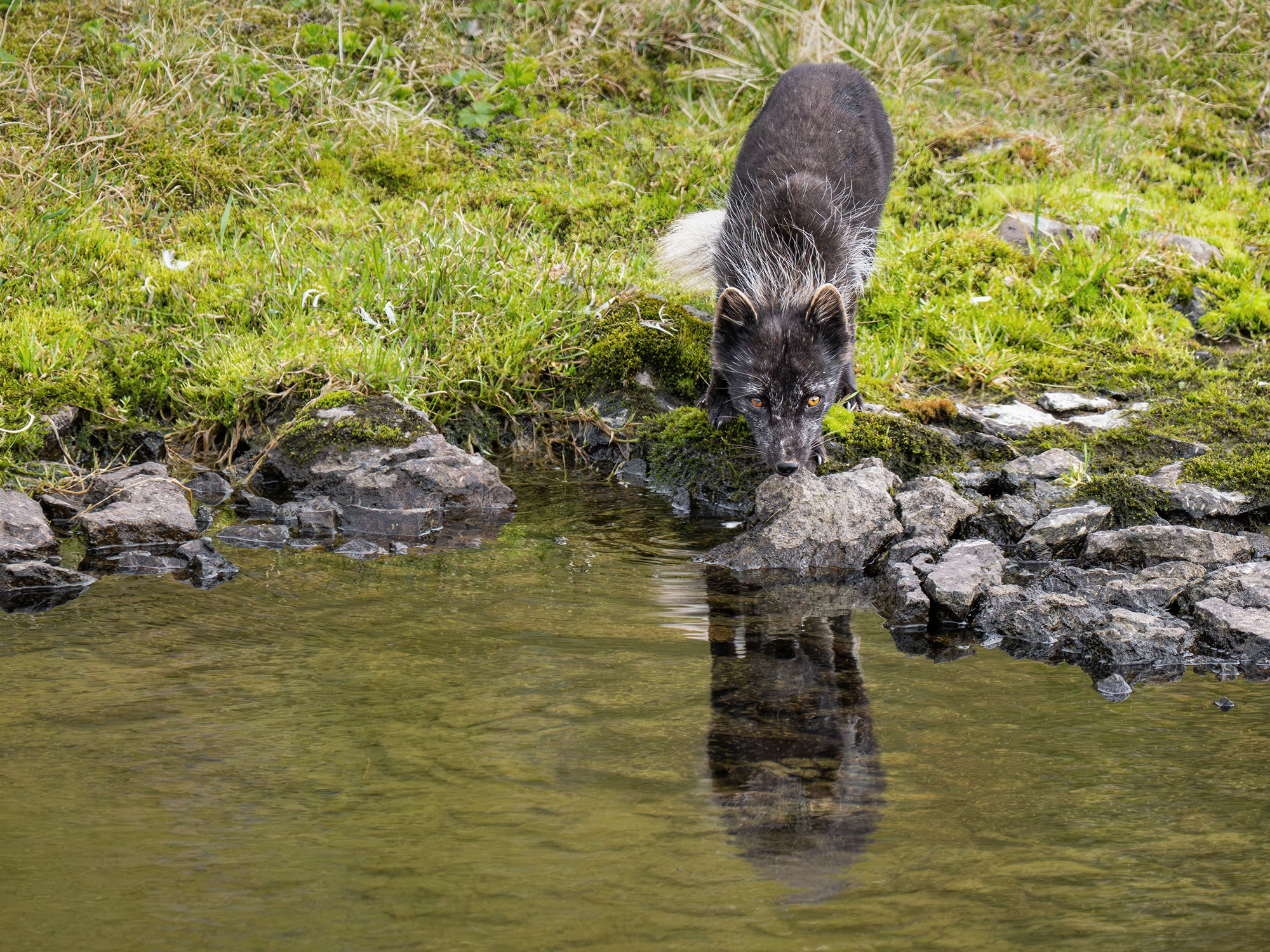
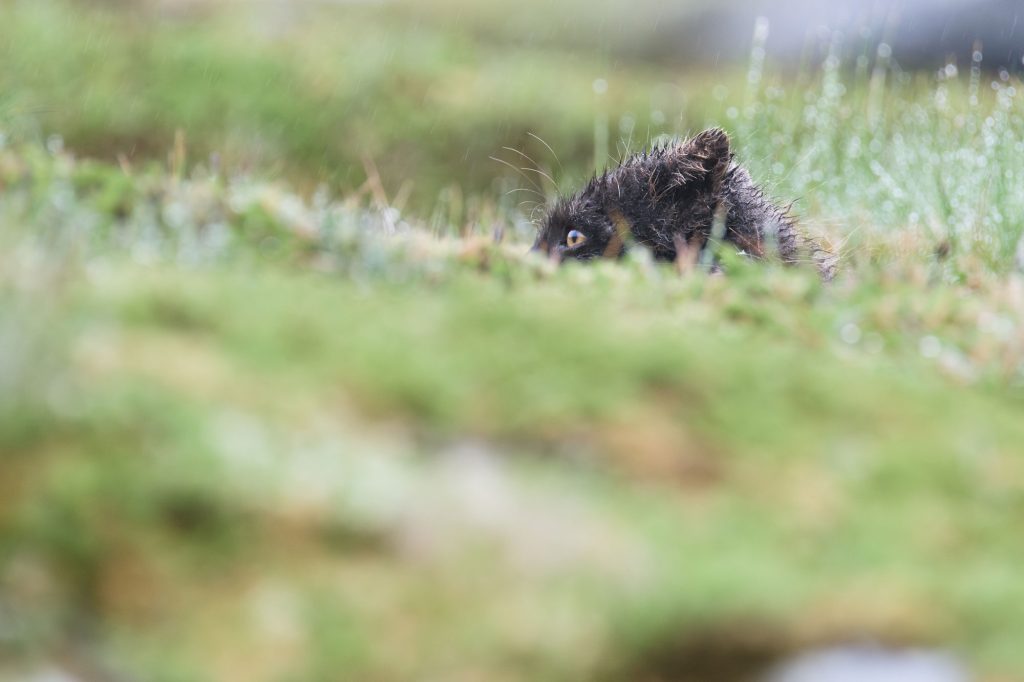
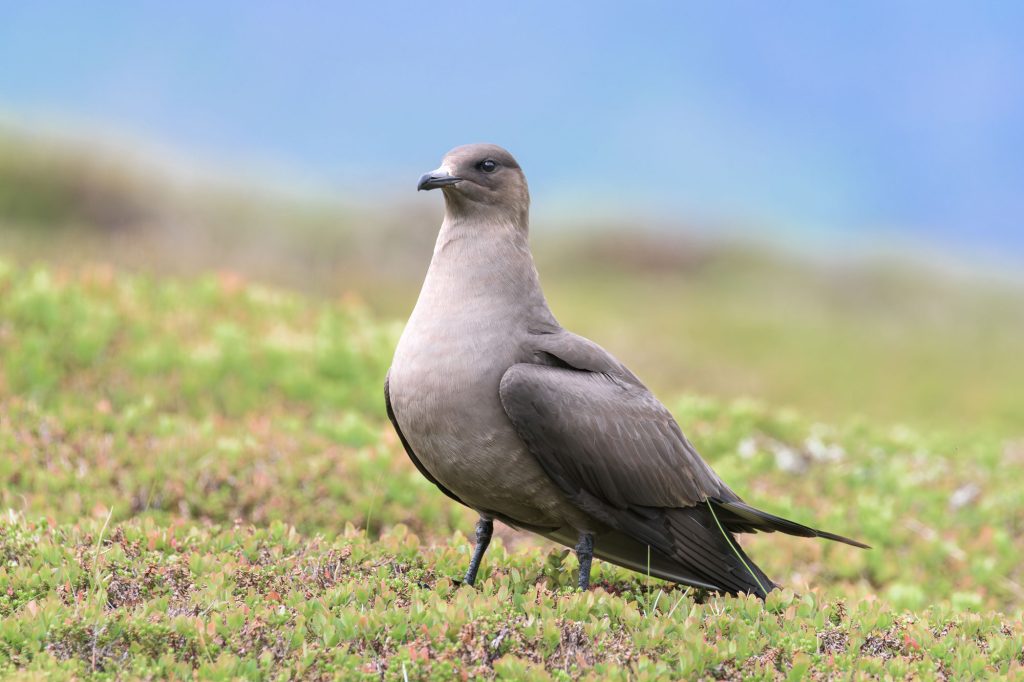
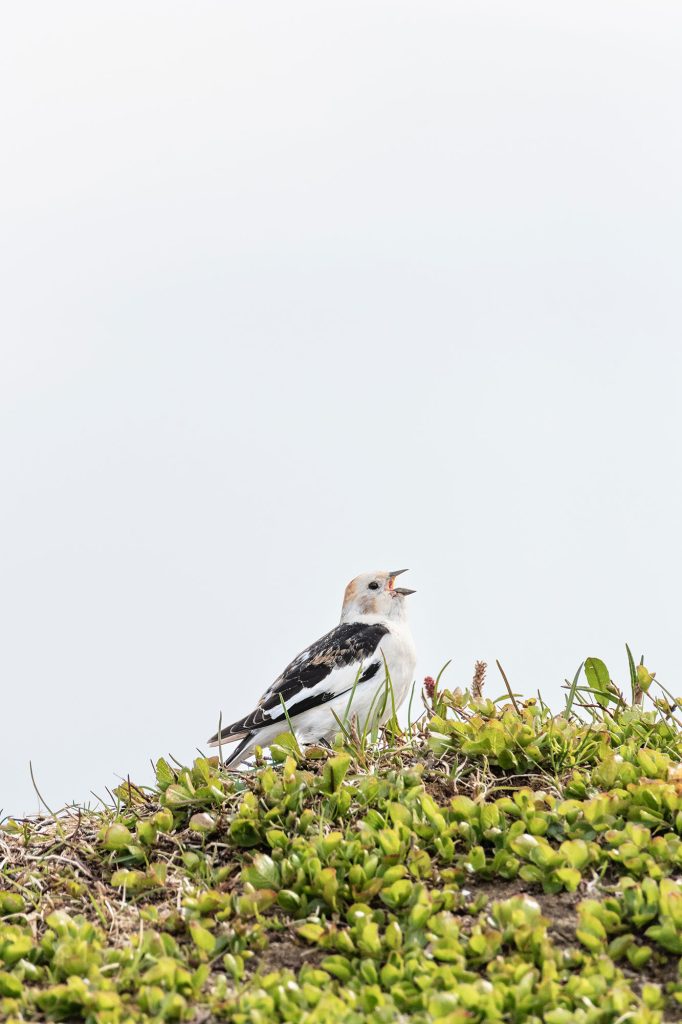
A few photos from the participants
Last but not least, we want to give a platform to the photographers who join our photo tours. Here is a series of photographs by Tyler Orman (tsorman.com), Anna Drinnenberg (@Annadrinnenberg) and Josh Bowen (jskybowen.com), who kindly agreed to share their work here.
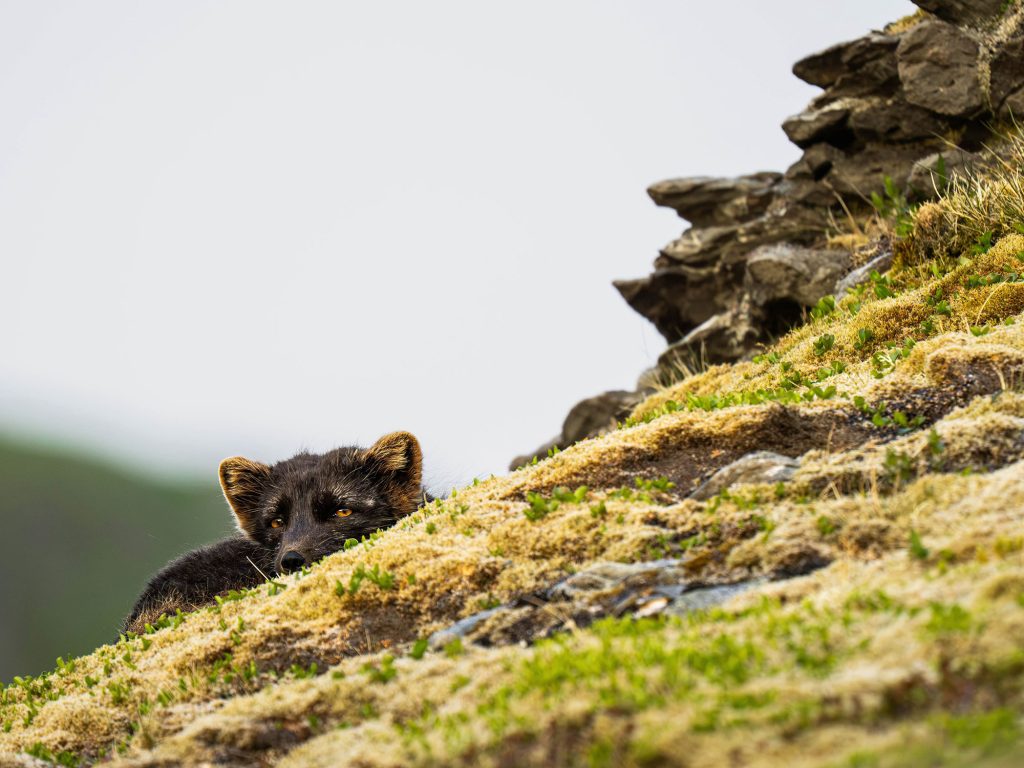
Our guides are first and foremost there to give the photographers we accompany as many opportunities as possible, but they are wildlife photographers too. Here is a small selection of the photographs they took during the trip.
Thank you!
This is the story of a team of enthusiasts who want to share their adventures with fellow enthusiasts. And in summer 2026, we were truly spoilt. The photographers stayed active, day and night. They seized opportunities, and even created a few of their own. They showed real solidarity and generosity. We were happy to see, every day, a photographer come back with a big smile, the sign of a successful day.
Guiding a group of photographers through such a wild and hostile area, with no guarantees, is a risky bet. That is why we want to thank this team for placing their trust in us this year. When goodbyes are hard, you know the trip was a success!

Sorry, the comment form is closed at this time.