Landscape photography is a vast field where the possibilities are endless. It is a means of expression, a language that allows us to communicate with the world. It is fascinating to see how every photographer has their own interpretation of a landscape. Several photographers standing before the same scene will always create different images. Because they each have their own language, their own translation of the world. How to take great landscape photos is a question many photographers ask themselves in the beginning. Eventually, the real challenge becomes how to tell a story and create emotion through an image. In this article, we offer you 10 small (or major) tips that will help you improve your landscape photography skills. Of course, we could share many more pieces of advice, as the world of landscape photography is immense. But here, we focus on what seems essential to us, on what cannot be separated from nature photography in general.
10 Tips on How to Take Great Landscape Photos
1- How to Take Great Landscape Photos ? Be Patient!
Our first tip on how to take great landscape photos is, of course, patience! Impatience is the enemy of art in general. Taking your time means observing the landscape, finding an interest in it beyond photography itself, and visualizing the impact of changing light. This moment, whether brief or long, allows you to connect with nature, understand the elements, and understand when and how you want to create your landscape photograph.
This moment of waiting and observation outweighs everything else. It is certainly the main factor behind learning how to take great landscape photos. Even with the best camera on the market, you can completely miss your shot if you do not take the time.
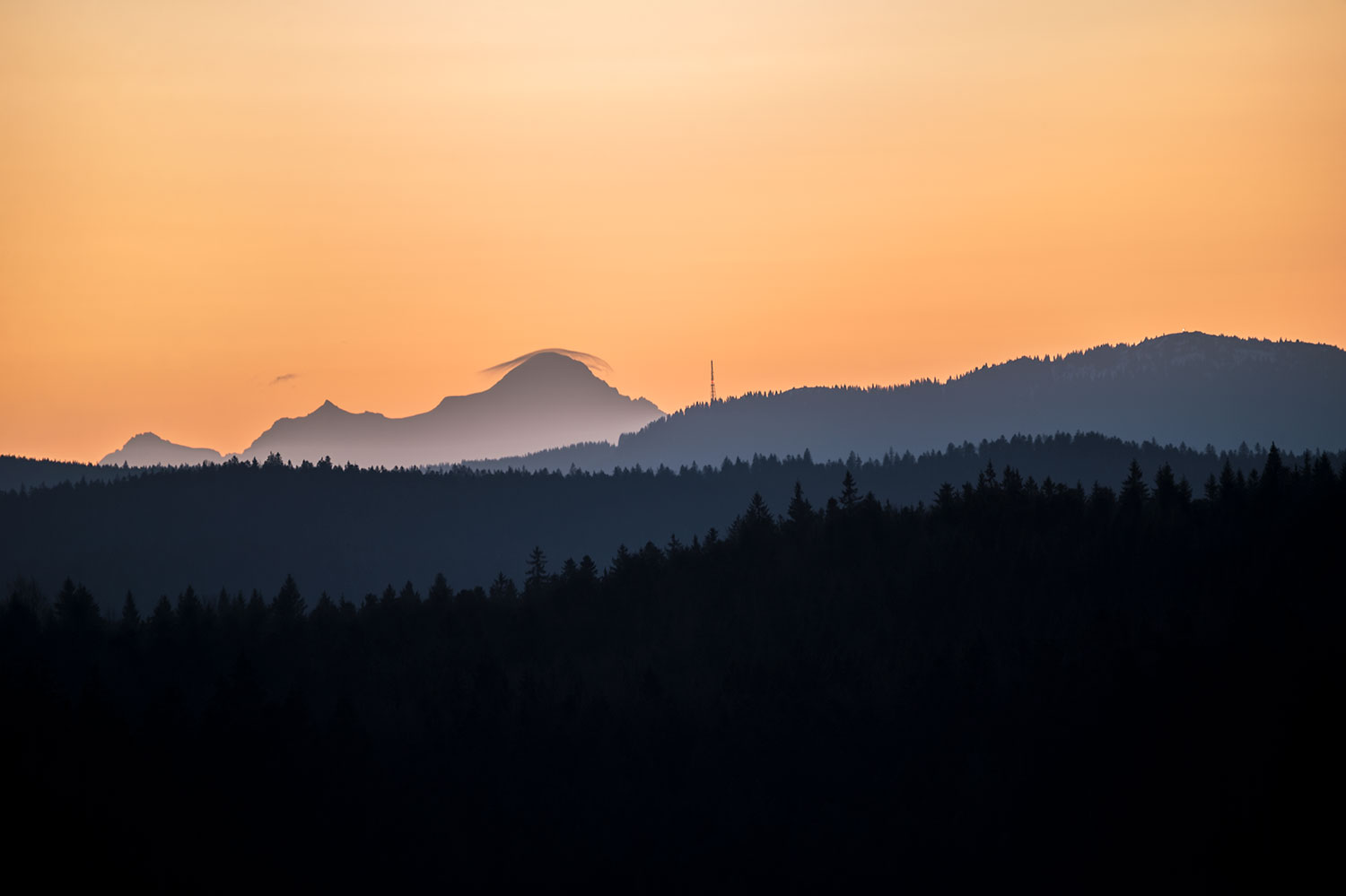
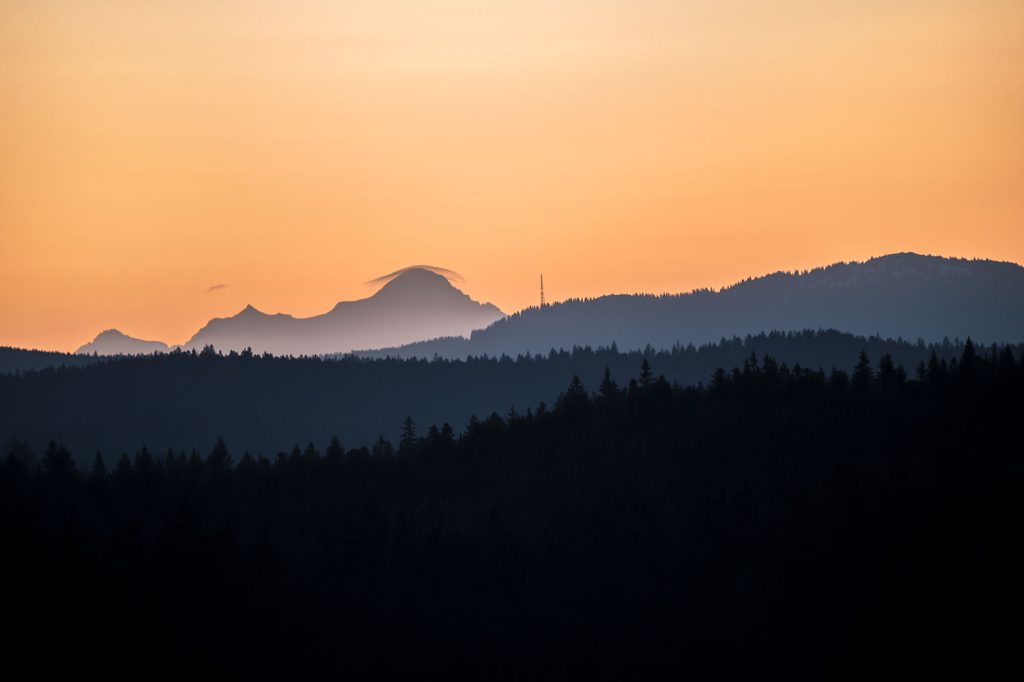
For example, here is a photograph taken in the Jura mountains in France. The main subject is Mont Blanc. Here, it is topped with a hat of mist. This image is rare, and our photographer Samy Berkani had to return dozens of times to the same location at sunrise before having the chance to witness this phenomenon. He took no other photo of this landscape — he simply waited for a special weather event to occur.
Observing a landscape for hours, or even days, imagining your image, even dreaming about it — this is what can drive you as a landscape photographer.
2- Learn the Rule of Thirds to Understand How to Take Great Landscape Photos
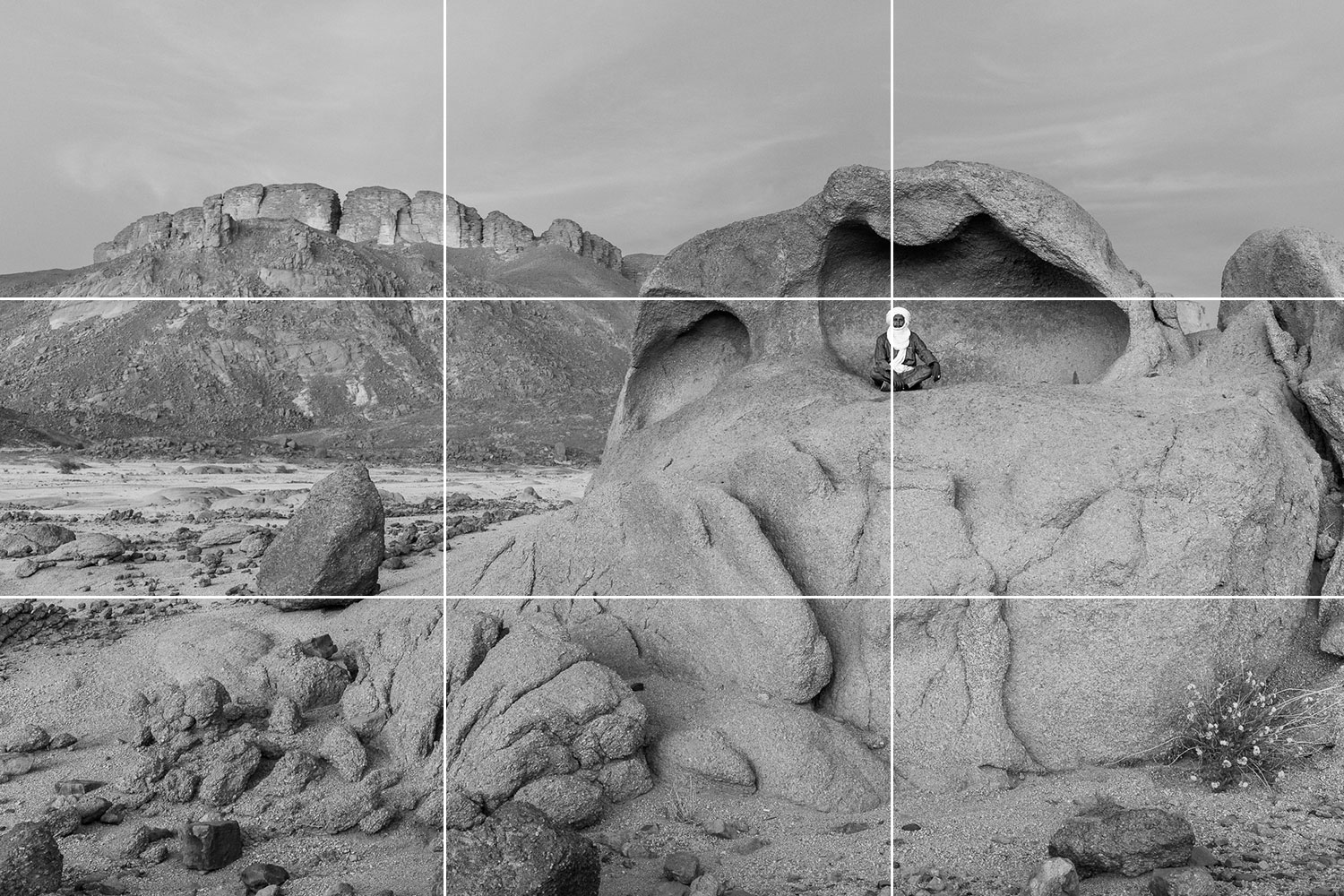
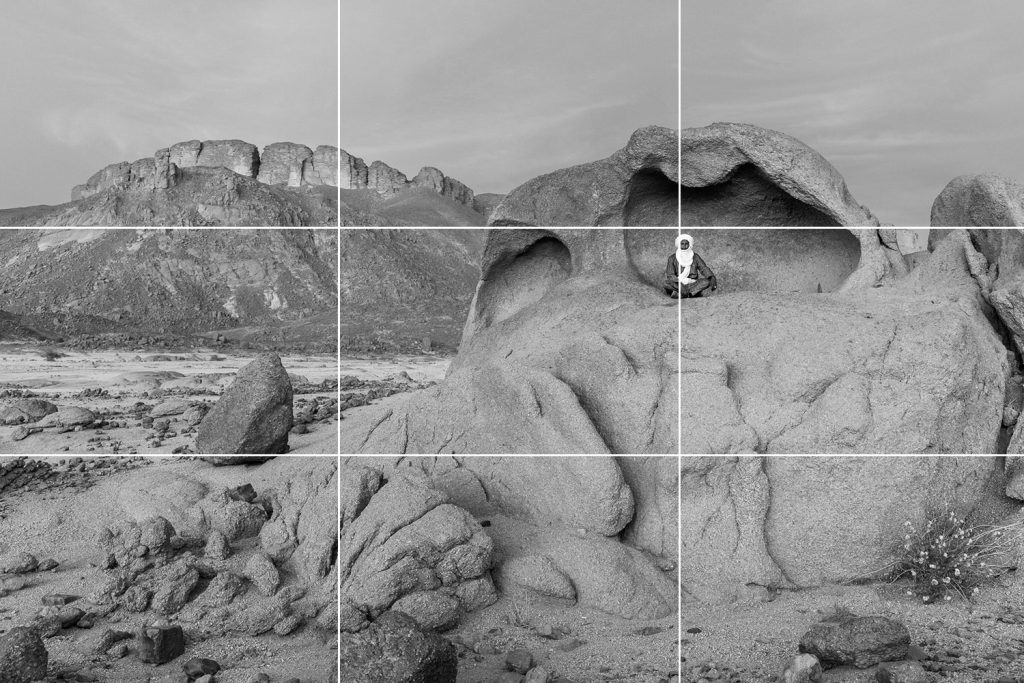
The rule of thirds is one of the fundamental rules of photography. It involves dividing your frame into nine equal parts using two horizontal lines and two vertical lines. The intersections of these lines are the strong points of the image. Subjects should be positioned on these strong points.
In addition, to balance a photograph, the ideal approach is for the important elements to occupy two-thirds of the image, while the less important elements occupy the remaining third. To succeed in landscape photography, the ground and main subjects should generally occupy two-thirds of the frame. The sky, usually less important, will take up the remaining third.
Most cameras offer a grid display option that makes composing with the rule of thirds easier. You simply need to activate it. Most DSLR cameras include it both in the viewfinder and on the display screen. These horizontal and vertical lines can guide your composition. However, with experience, every landscape photographer becomes capable of visualizing these lines even without them appearing on the screen.
That said, what we always emphasize is that you must learn the rules of photography in order to have the ability to break them. These rules are a foundation, a support system. Once mastered, you are free to break them and push your creativity beyond established boundaries. On the other hand, randomly breaking rules you do not understand is likely to lead to poor compositions in many cases, especially in landscape photography.
3- Refine Your Composition and Tell a Story
A photograph can carry as much meaning as a long text. And just as writing has grammar and spelling rules, photography has its own rules of composition. We previously mentioned the rule of thirds, but more broadly, a landscape photographer must carefully refine their composition and question every element that appears (or does not appear) within the frame.
Refining your composition and understanding how to take great landscape photos requires great attention to detail, as well as observation and reflection. In practice, you can sit in front of a landscape and begin telling yourself a story before telling it to others. This little moment of daydreaming is actually a moment of inspiration and construction.
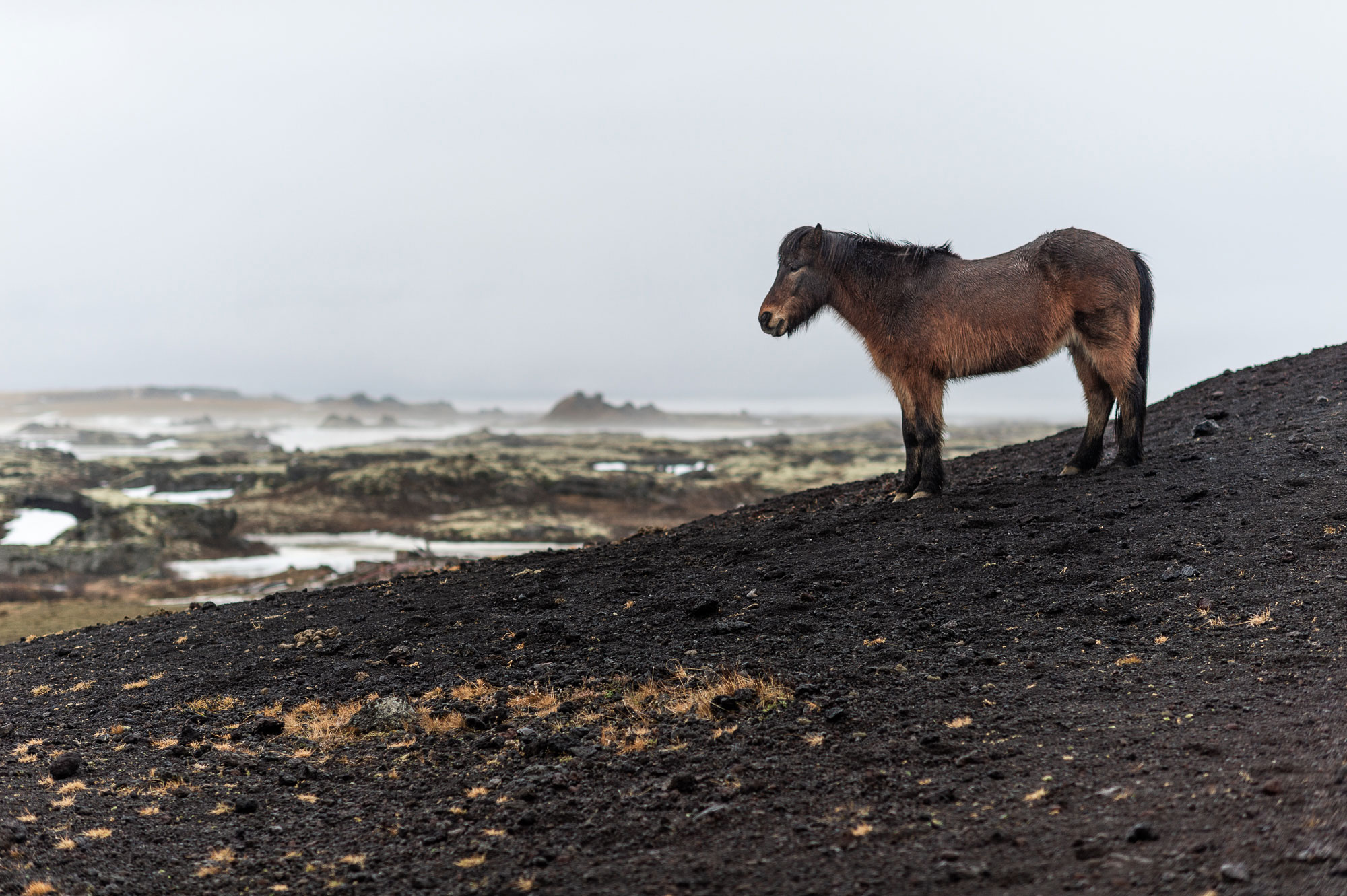
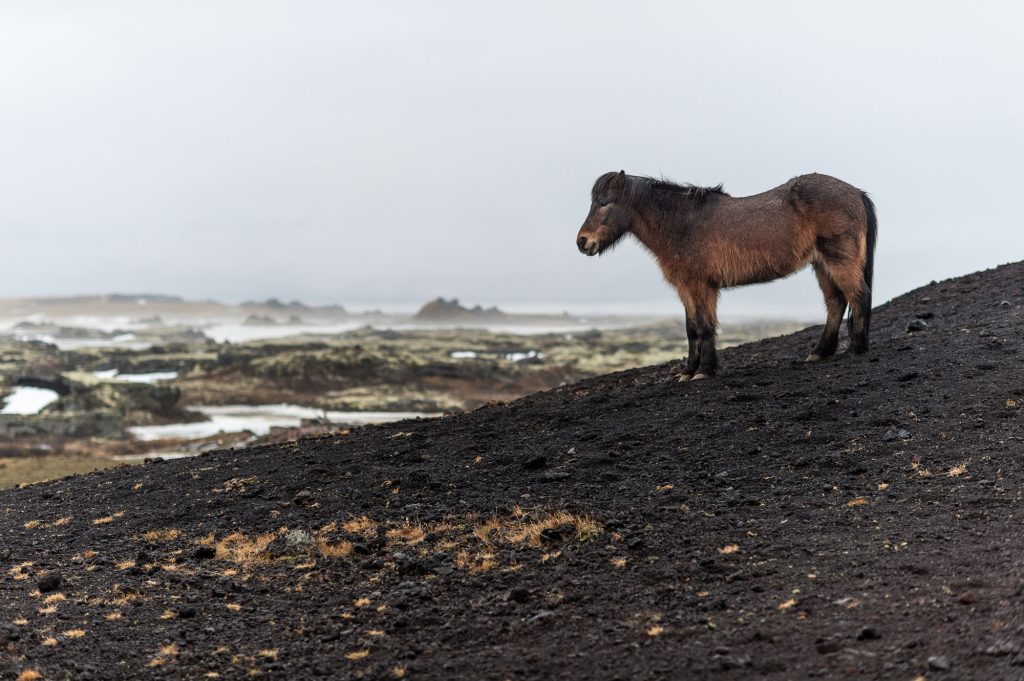
Afterward, technique comes into play to materialize these inspirations and turn them into a unique landscape photograph. This photograph of an Icelandic landscape featuring an Icelandic horse in the foreground is a good example. We are standing here in a lava field. The ground is black, formed by a recent volcanic eruption. In the background, you can see green moss, typical of the first vegetation to grow on volcanic rock — the beginning of richer future life.
The Icelandic horse standing on the lava field is brown in color. But the tips of its legs, its tail, and its mane are black. It seems to emerge from the ground itself, as though it too were born from a volcanic eruption. This photograph tells the story of these horses that adapted to Iceland’s extreme climate. They survived volcanic eruptions and storms, physically adapting to become true inhabitants of this island lost on the edge of the North Atlantic.
4- Compose with Depth
Many photographers see composition only in terms of width and height — in other words, in two dimensions. However, this way of visualizing space creates flat, static images and greatly limits compositional possibilities. Yet it is possible to have a foreground, a midground landscape, and a background. Visualizing your image in depth, or in three dimensions, completely opens up the field of possibilities. You can then choose subjects on different levels and use leading lines that connect or oppose them.
Composing with depth also creates greater dynamism. The viewer will feel as though they are inside the photograph rather than outside it. Integrating the viewer into the scene is an artistic achievement that amplifies emotion and gives the viewer a role within the story being told.
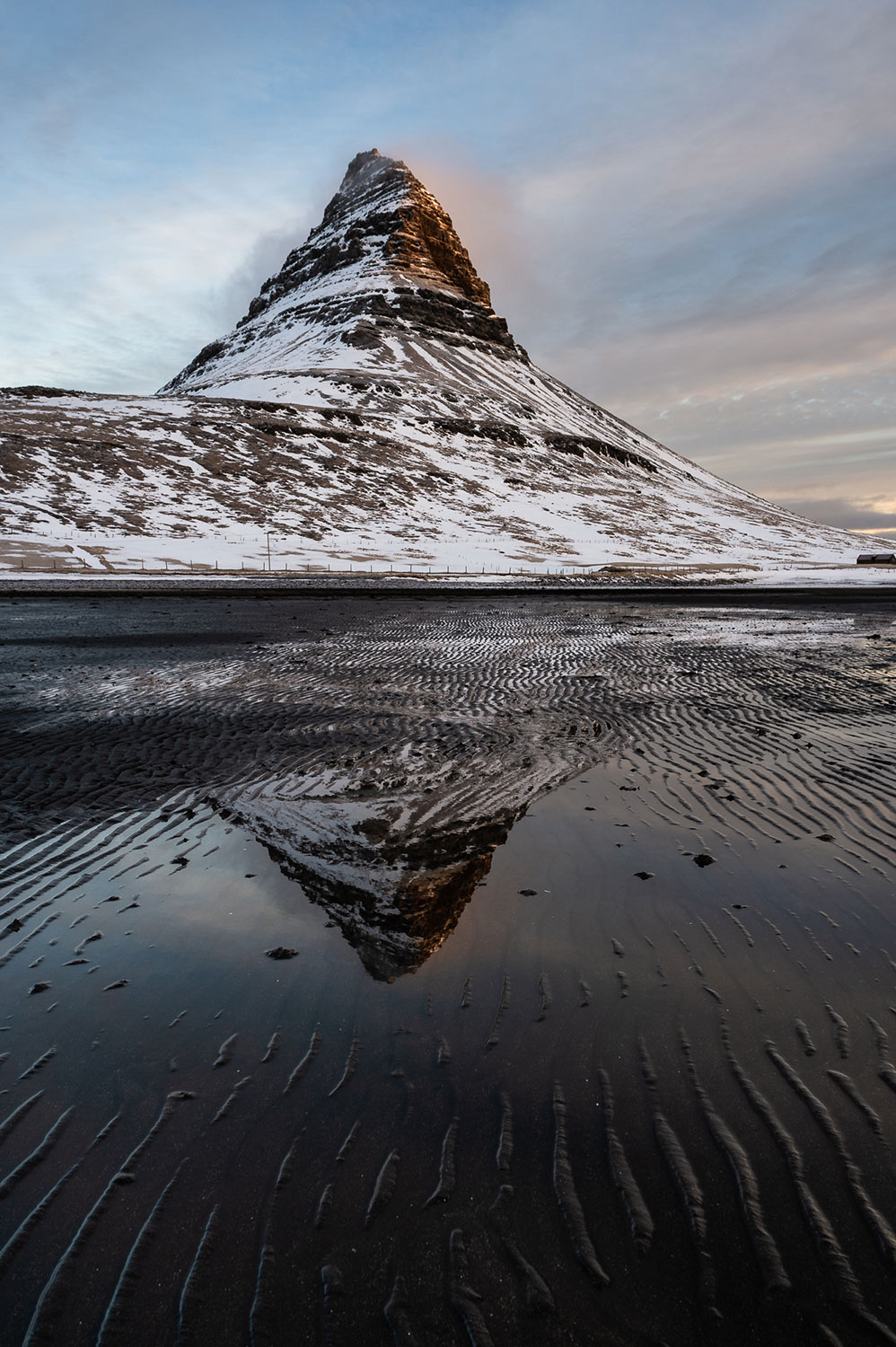
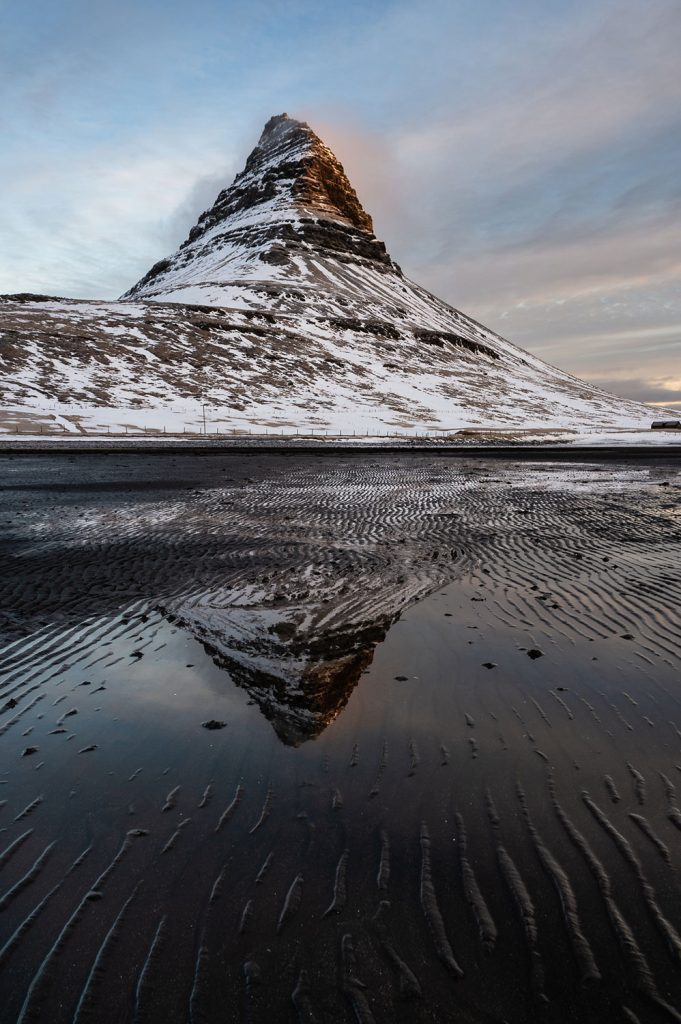
In the next photograph of the famous Icelandic mountain Kirkjufell, the composition clearly emphasizes depth. We begin with the lines drawn by the tide in the sand, which first lead the eye toward the mountain’s reflection in the puddle, and then toward the mountain itself. The composition is simple, but many photographers would have made the mistake of focusing directly on the mountain instead of finding a foreground and leading lines.
5- Move Around to Find Every Possible Shooting Angle
During our landscape photography tours in Iceland, Scotland, or Algeria, we always advise the photographers we guide to use a single focal length and physically move through the space to gain a better understanding of the landscape and its different viewing angles.
When arriving at a scene, it is nearly impossible to fully understand it without walking around it. By moving around, you may discover new subjects, new lighting conditions — in short, everything needed for understanding how to take great landscape photos.
As photographers, we have all missed great shots. The classic mistake is being just a few hundred meters away from the best spot without even realizing it. So for us, learning how to take great landscape photos means staying mobile, curious, exploring the surroundings, and not hesitating to venture off the beaten path.
6- Scout Ahead to Find the Best Landscape Photography Locations
Landscape photographers generally spend a lot of time studying maps and trying to find interesting natural locations. As a general rule in photography, work should begin at the desk before heading into the field. This stage allows you to gather as much information as possible, research your subject, and fully understand it before taking action.
In addition, scouting on Google Maps, OpenStreetMap, or any online map allows you to cover large areas before traveling into the field. You can also instantly visualize the position of locations relative to sunrise and sunset. While this does not guarantee success, it greatly increases your chances of understanding how to take great landscape photos in unique environments.
Finally, some applications offer useful features for landscape photographers: the path of the sun over a natural site, the position of the stars, and more. We do not personally use these applications, but their usefulness remains undeniable.
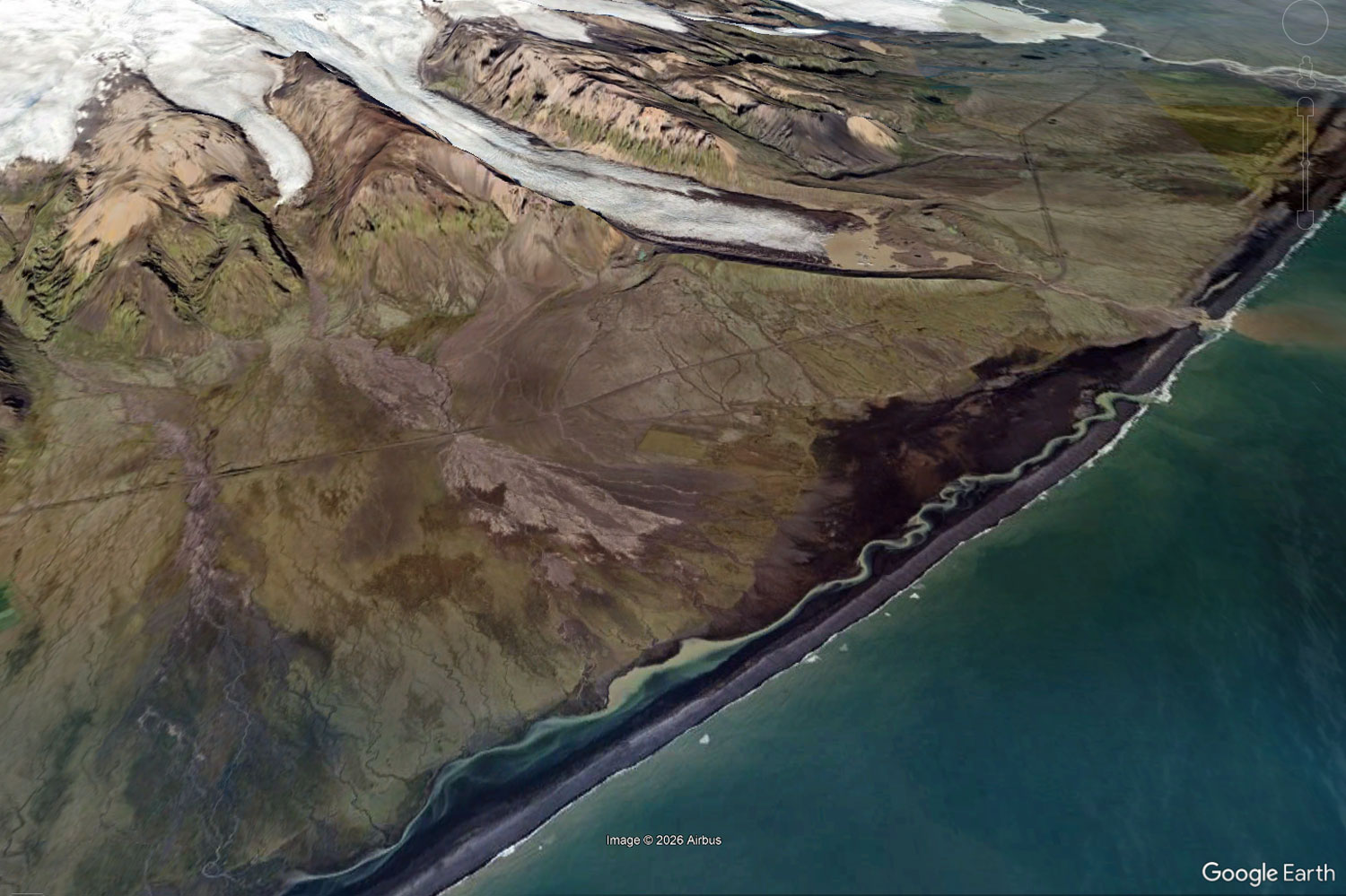
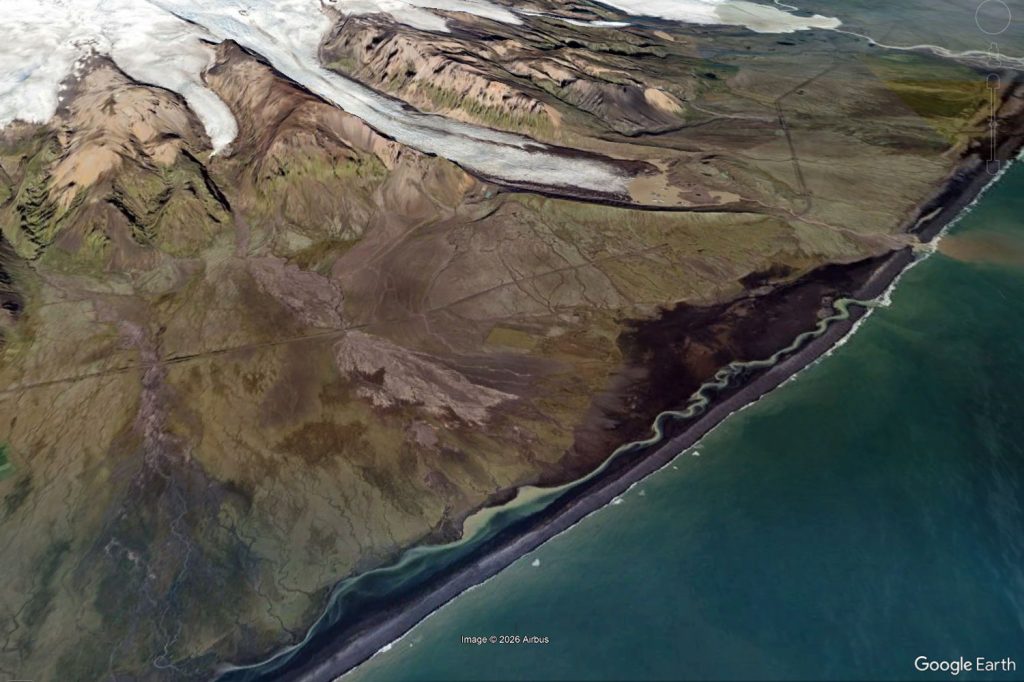
For example, here is an image obtained through Google Earth, which clearly illustrates the terrain and potential landscape photography spots around a glacier.
7- Work in Low Light
The equation is simple: the lower and softer the light, the more your landscape will stand out.
Working in low light is not a rule in itself. You may absolutely choose harsher light if the story you want to tell requires it. However, you should be aware that harsh light creates deep shadows, crushes colors and textures, and produces very strong contrast.
Another advantage of working in low light is benefiting from the cool blue tones of the blue hour, or conversely, the warm orange tones of the golden hour. The choice between sunrise and sunset should be made according to the story you want to tell.
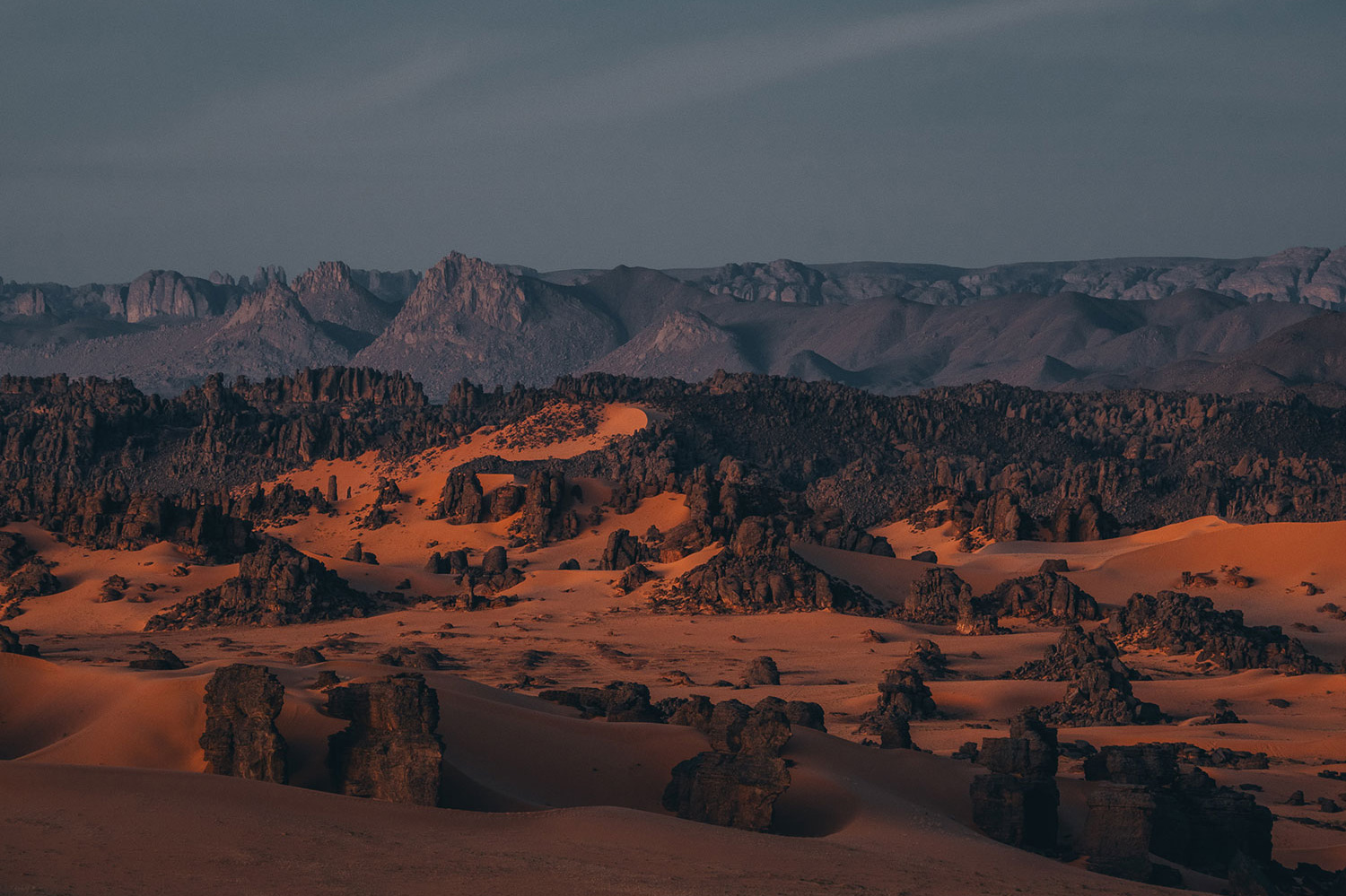
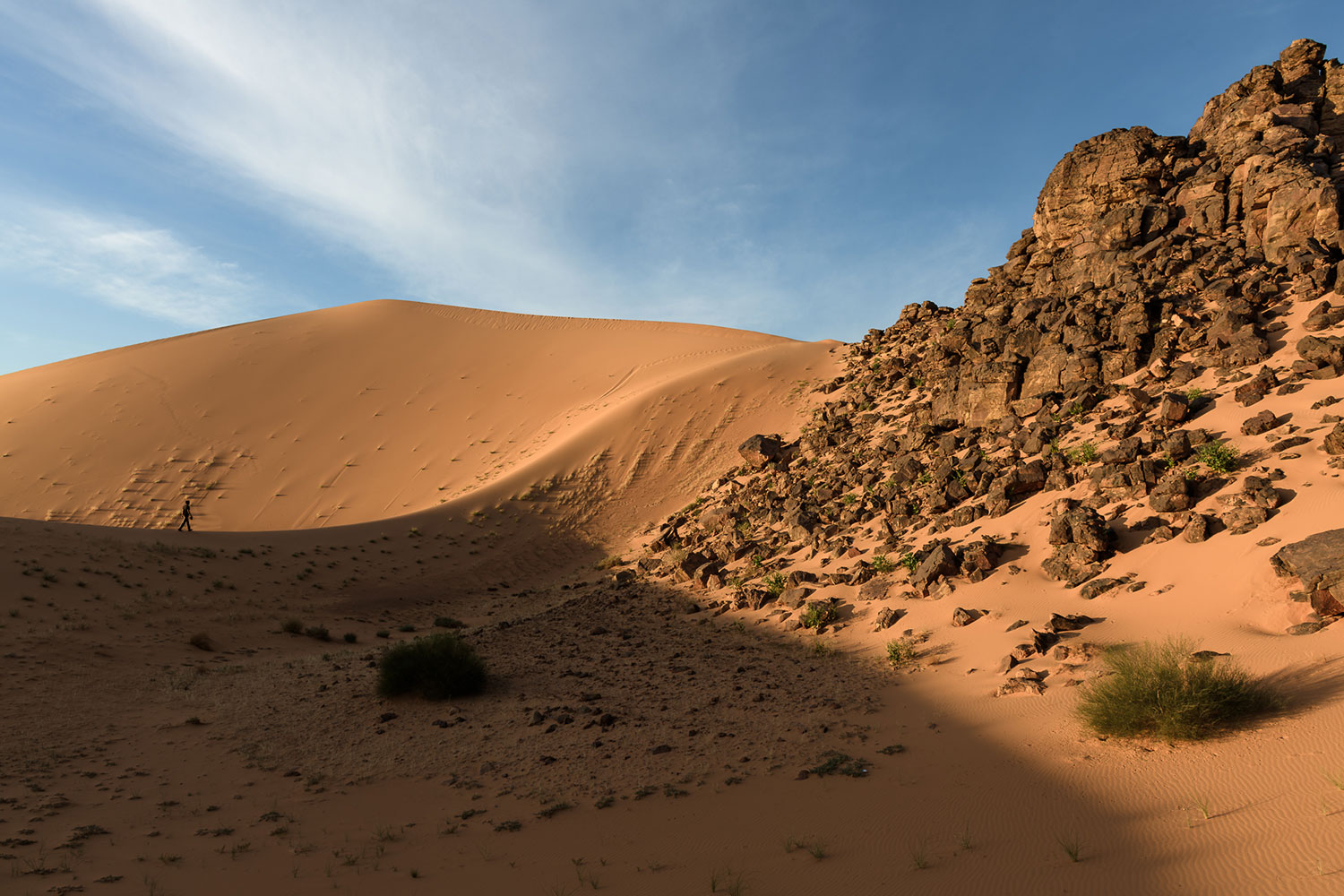
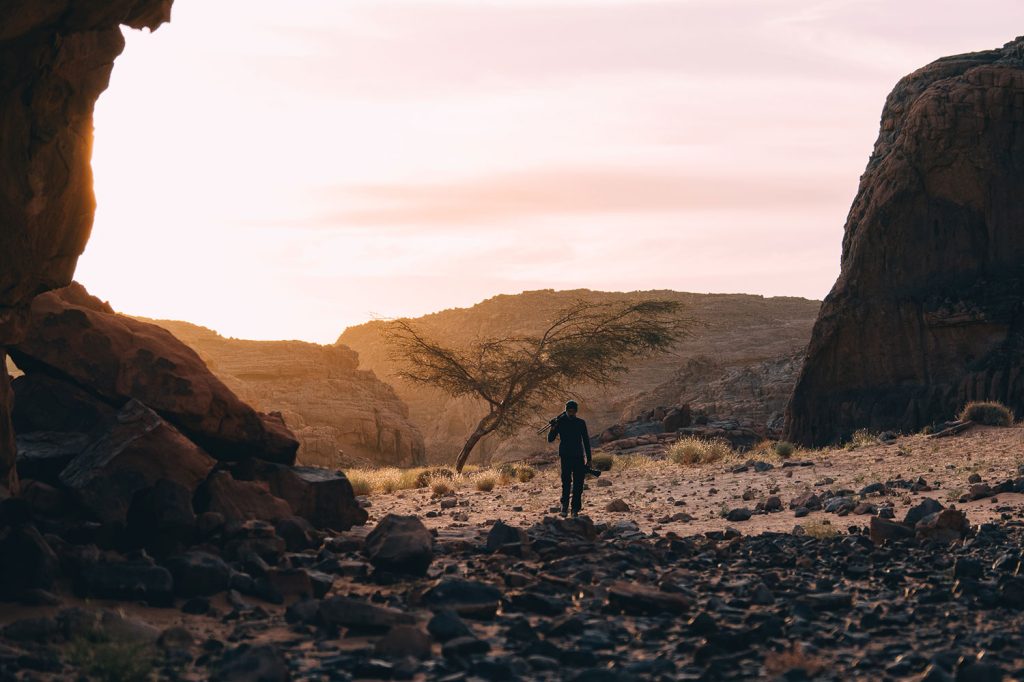
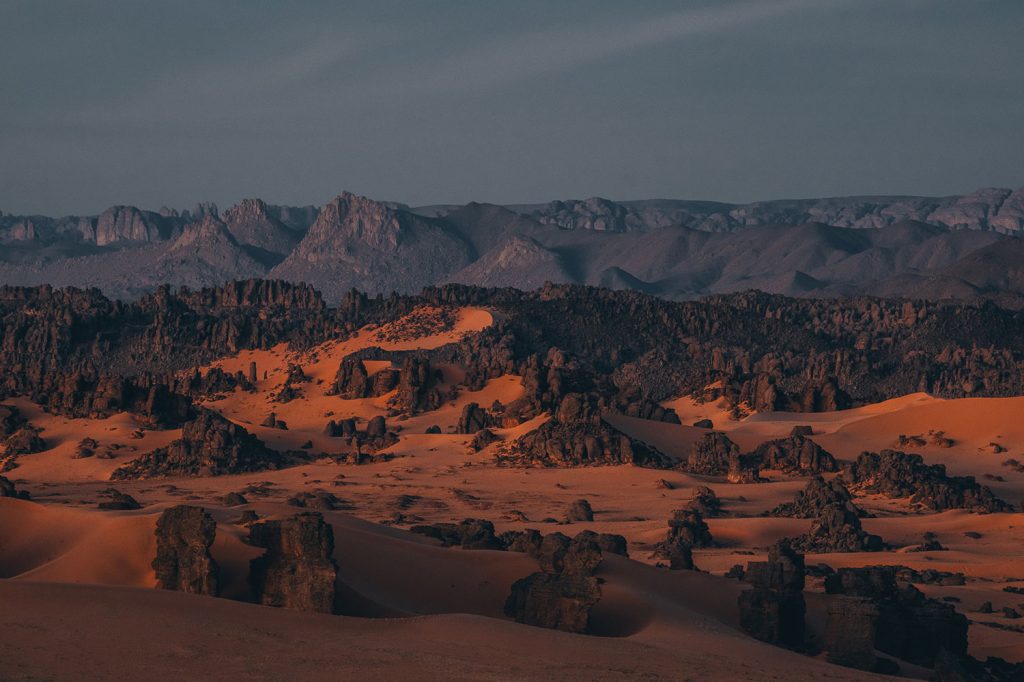
However, shooting in low light generally requires stabilization equipment. We advise landscape photographers to get into the habit of systematically working with a tripod. This greatly improves the sharpness of a landscape photograph and stabilizes the camera when light becomes scarce. For example, here is a photograph of a Sahara landscape taken by our landscape photography guide, Urip Dunker.
8- Choose the Right Lens for Landscape Photography
This question is crucial, and we are often asked what the best lens for landscape photography is. The answer is not so simple.
The first criterion that should influence the choice of a wide-angle lens for landscape photography is the photographer’s style. If the photographer likes to include as many elements as possible in the frame, integrate a large part of the sky, and often finds themselves lacking distance from the subject (for example, in the mountains), then an 18mm lens is ideal.
On the other hand, if you want to capture more details of the landscape and are not limited by distance, then the 24mm is our favorite wide-angle lens. A wide-angle lens for landscape photography must also pair effectively with the camera body. Indeed, a lens that performs well on one camera may perform less effectively on another. We therefore recommend checking the performance of your equipment — ideally before purchasing — on the Dxomark website. Finally, you should avoid zoom lenses with extremely broad ranges (for example: 18–200mm). Generally, these lenses are not very high-performing. The best focal lengths are prime lenses or lenses such as the legendary Nikon 14/24mm f/2.8G ED.
9- Embrace Minimalism for Clean Landscape Photography
At Wildlife Photo Travel, we are passionate about minimalism and clean, uncluttered images. Most of the time, two or three elements are enough to satisfy us. For us, this is one of the secrets behind how to take great landscape photos.
By minimalism, we mean significantly limiting the visible elements in the image and choosing compositions that exclude “overloaded” parts of the landscape. Even if the minimalist style does not appeal to everyone, practicing it trains both your eye and your mind to choose what should or should not appear in the frame. It forces us to question what is important and what is not — what serves the story, and what merely clutters the viewer’s eye.
For photographers who print their images on matte and textured paper, the minimalist style creates highly pictorial results. It feels more like looking at a painting than at a photograph. This style has become increasingly prominent over the past 10 years in nature photography in general.
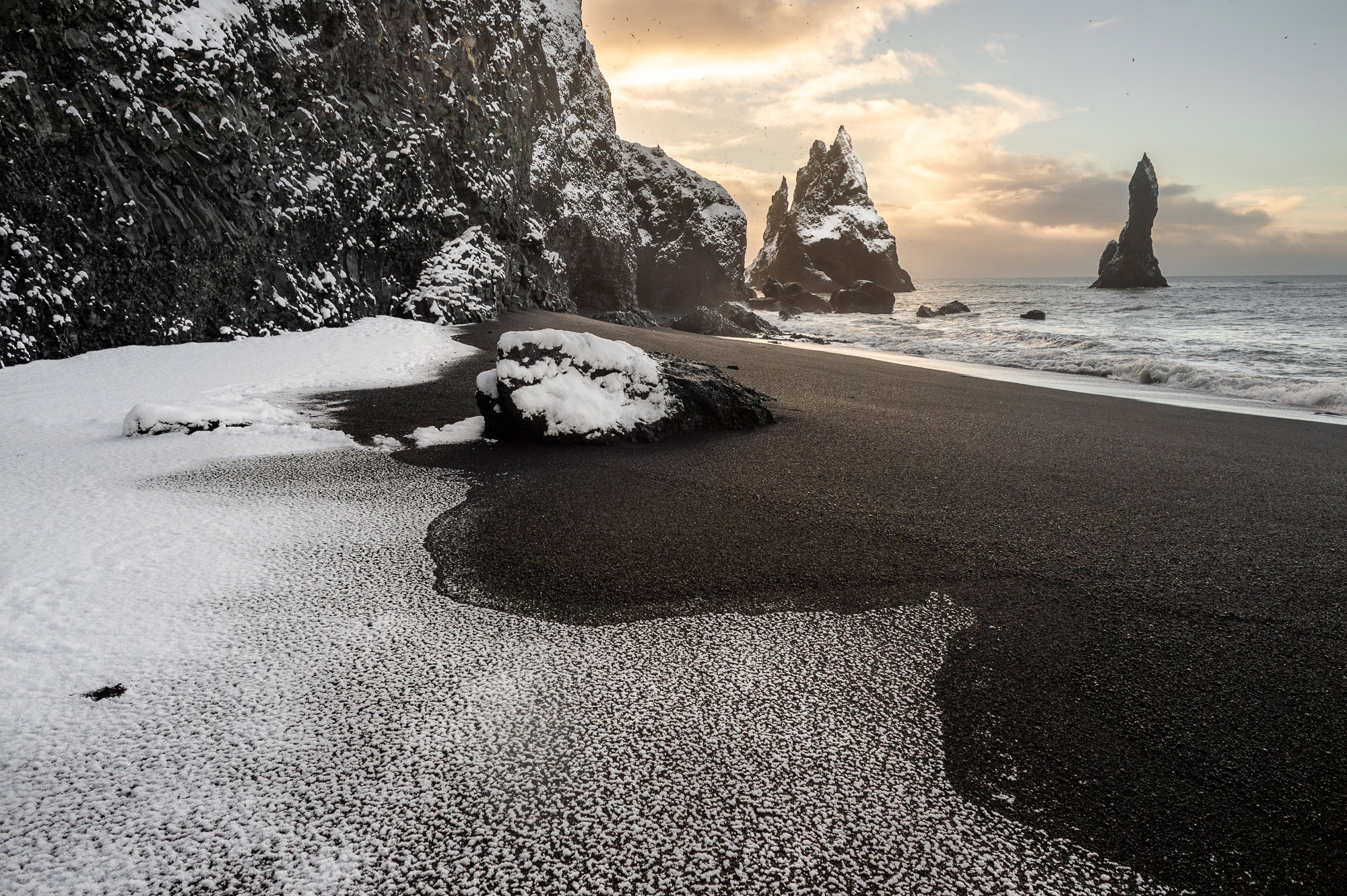
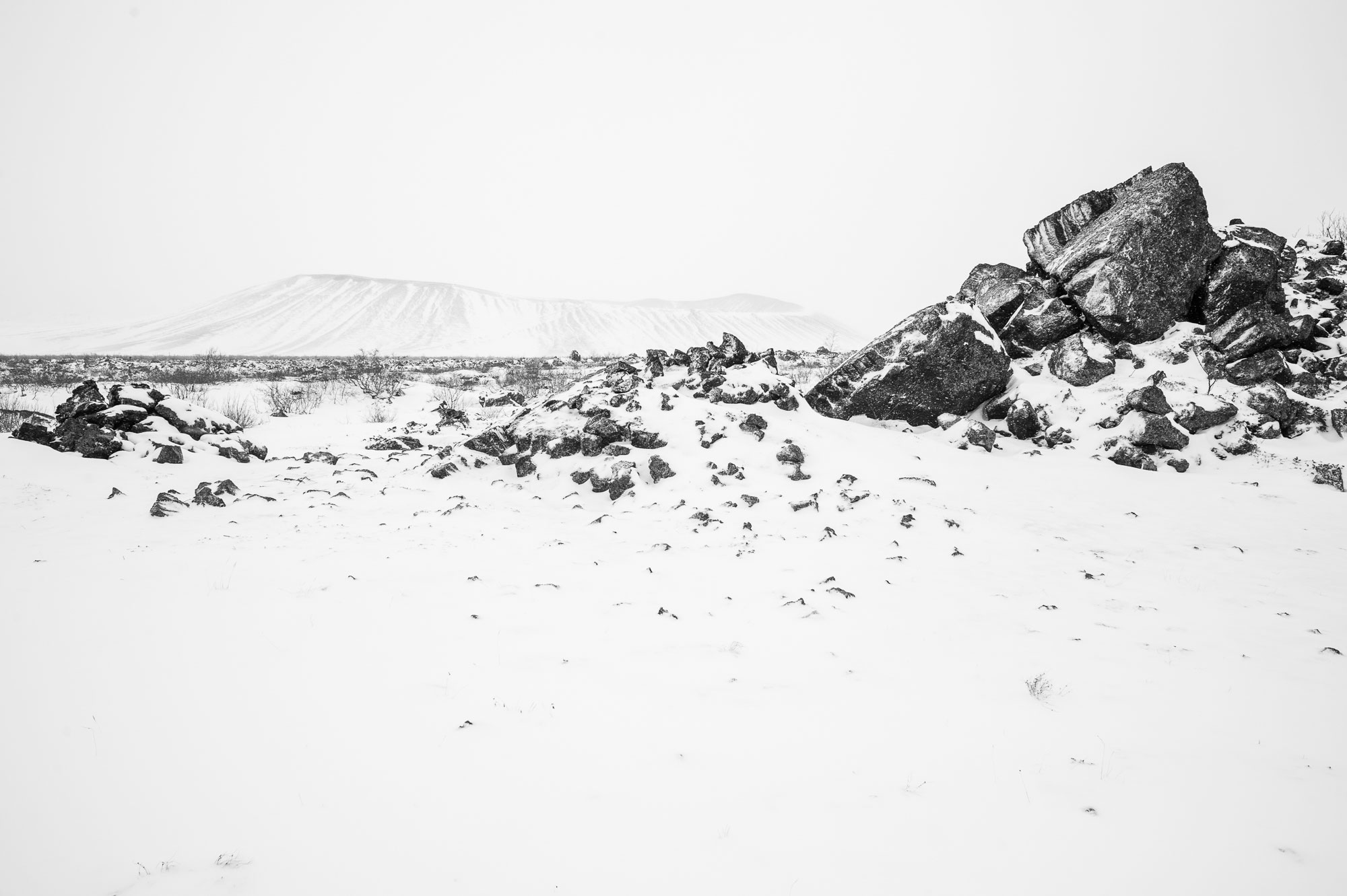
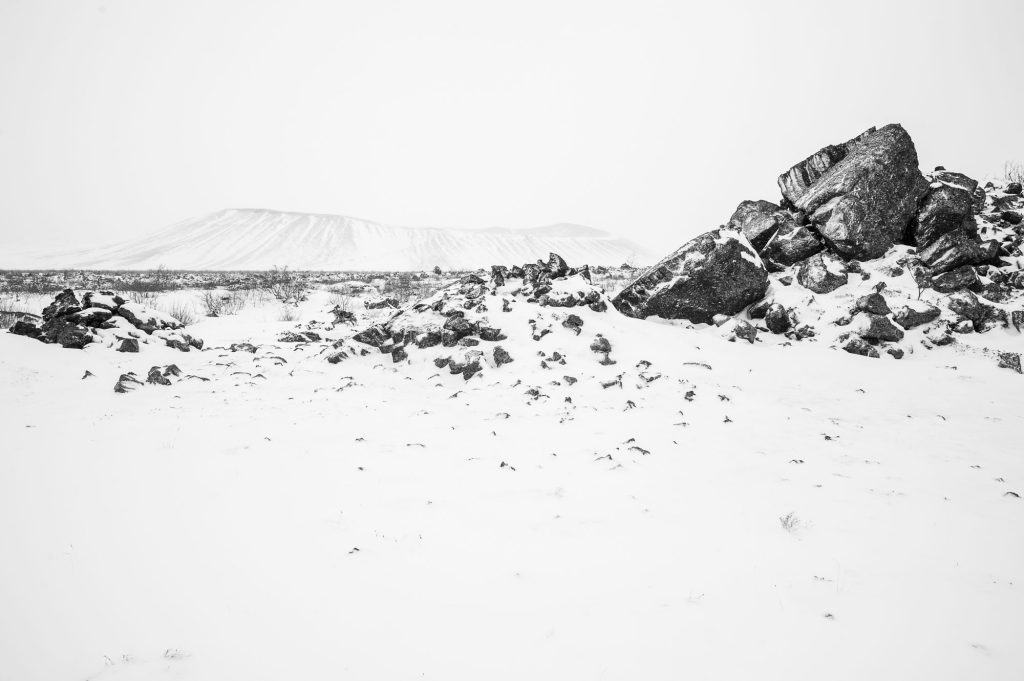
In this photograph of an Icelandic landscape, we included only a series of basalt rocks and a volcanic crater in the background. The foreground originates from the background (the lava comes from the volcano). We did not need more elements to compose this image.
10- Include a Person to Show Scale
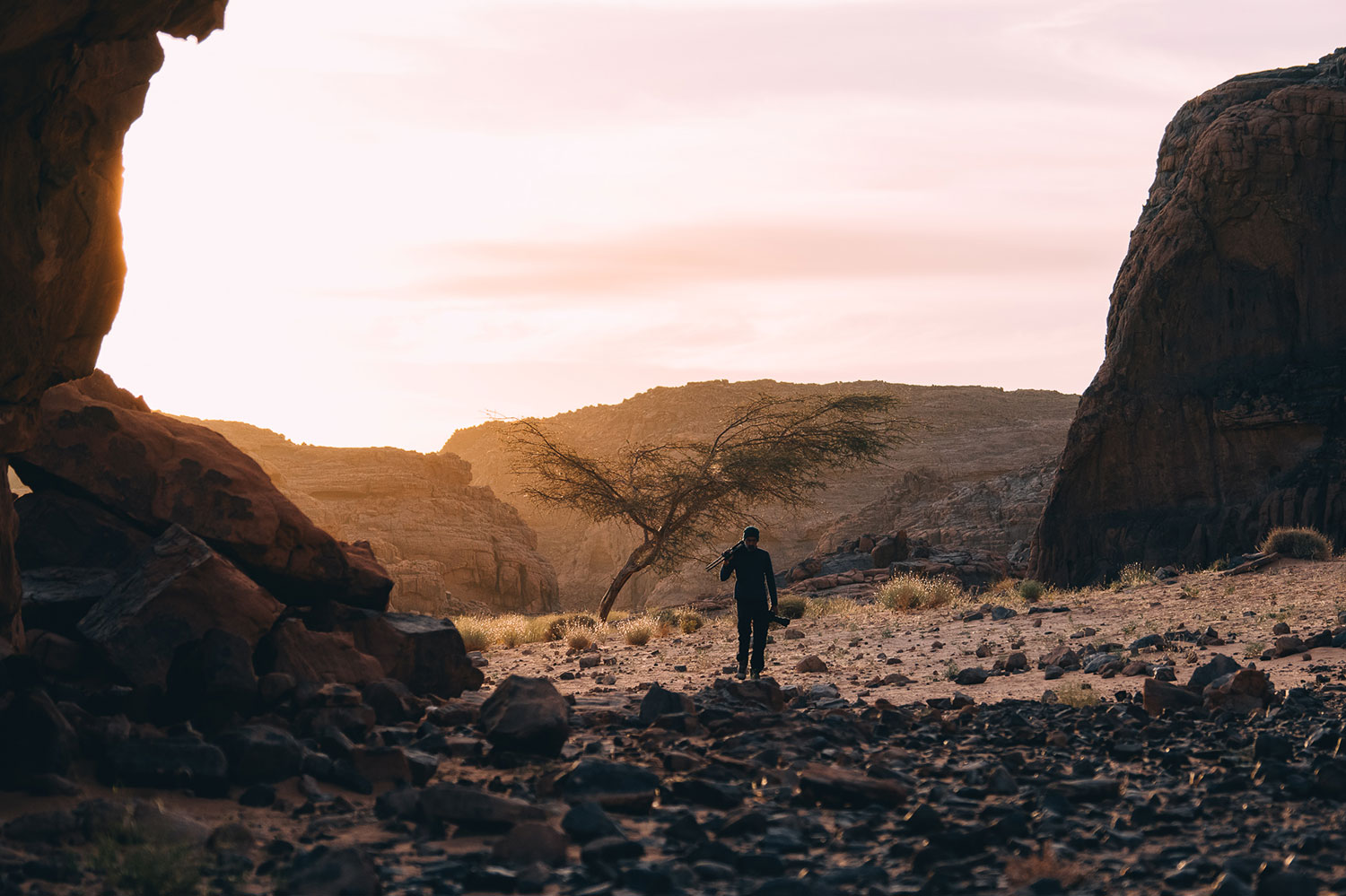
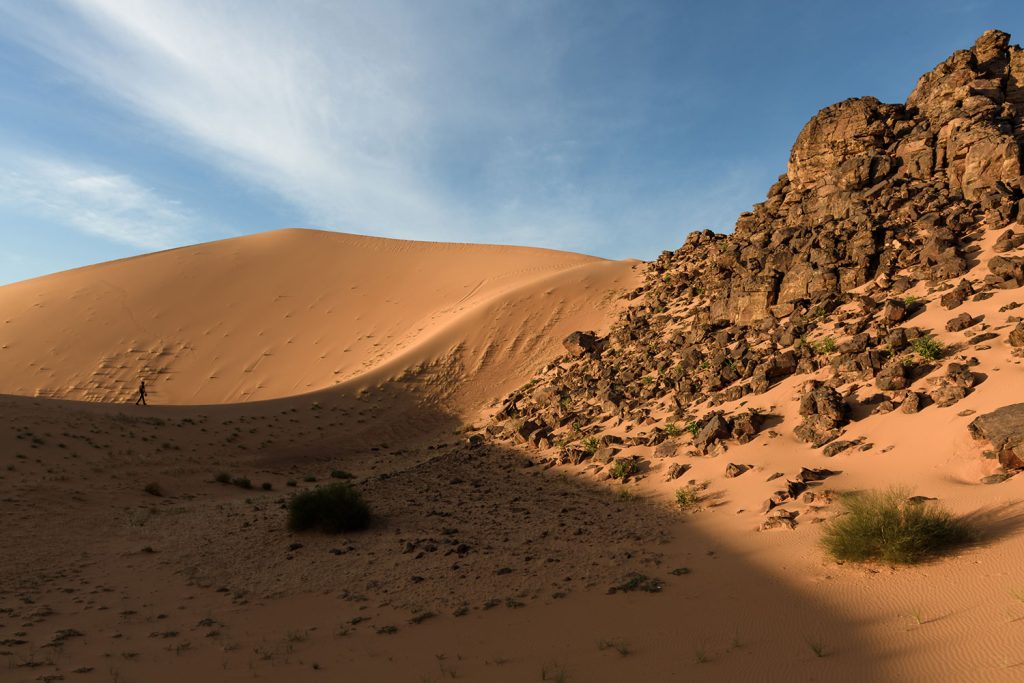
Most of the time, if there is no person in a landscape photograph, the viewer has no sense of scale. How can you tell whether a mountain is massive or simply a small hill? How can you judge the size of a lake, a tree, or anything else without a familiar shape nearby? This subject can serve the dual purpose of being part of the story while also providing scale for the viewer. With an ibex in the Alps, the mountains instantly appear larger and more imposing. With a person in the foreground or background, we immediately understand the immensity of the landscape, as in this photograph of the Sahara landscape.
To naturally integrate a person into your composition rather than staging the scene, there is no magic recipe. Only patience, as we mentioned in our first tip, will allow you to capture unique moments.
Conclusion
Understanding how to take great landscape photos relies on a combination of factors, many of which are beyond the photographer’s control. These 10 tips will help you maximize your chances and place yourself in the best possible conditions. Beyond these elements, only perseverance truly makes the difference.
Landscape photography, just like wildlife photography, requires patience above all else: you spend far more time observing and waiting than actually pressing the shutter. Accepting this reality from the beginning is essential. It is this understanding that allows you to stay motivated over time — and eventually, successful images fuel that motivation and give even greater meaning to the waiting.

Sorry, the comment form is closed at this time.