Iceland ring road tour : 12 days of wildlife and landscape photography
Iceland is a small island lost in the North Atlantic. On the map, it feels like you could explore Iceland in just a few days. But the reality is very different. We have been working in Iceland for over 10 years, and we are still discovering new landscapes, far from the beaten paths. Every year, we encounter an animal species we did not know before. Not to mention the ever-changing Icelandic light, which brings landscapes we thought we knew back to life. Few photographers travel to Iceland only once. We always return to where wild, free nature expresses itself. In this article, we decided to tell you everything you can do and see during a 12-day Iceland ring road tour. However, even though we are talking here about Route 1, which circles Iceland, we will allow ourselves a small detour and take you along the winding roads of the Westfjords. It seems to us that, during a photography trip to Iceland, it is impossible to miss the Westfjords. This region is a concentration of wild Iceland, and it is where we take wildlife photographers for our Arctic fox photography workshop.
Landscape photography in Iceland
Doing landscape photography in Iceland is an experience every photographer should have. The light is so soft and unique, with bluish or pinkish tones that are truly extraordinary—they are a whisper of the Arctic and its extreme temperatures. What makes landscape photography in Iceland so special is the combination of curiosity and unique climatic conditions. When ice mixes with the black sand of volcanic regions, when a ray of sunlight passes through an iceberg, creating a strange contrast between warm and cold tones, when the soil, rich in sulfur and metals, turns orange, the human eye does not fully understand what is happening—but the creative mind awakens. Iceland is an invitation to step outside the ordinary. And the Iceland ring road tour allows you to discover all these treasures of Icelandic nature.
The Iceland ring road tour in 12 days
It is often observed that most travelers underestimate the time needed to complete the Iceland Ring Road tour. While the island may seem small, once you enter the fjords, the roads become winding, and journeys take much longer. Completing the Iceland ring road tour in 12 days is, in our opinion, the minimum—especially for photographers. We won’t lie: on the Ring Road, you will stop every five minutes for a light, a mountain, or an animal. If you can spend more time, do not hesitate. We spend months photographing Icelandic landscapes and never get bored. There is always something to see, something to capture. Creative possibilities in Iceland are endless. Moreover, the diversity of landscapes along the Ring Road removes any feeling of déjà vu. The south with its desert plains, the eastern fjords and their reindeer, the north with its sulfur-rich soils and steep mountains, the wild west with its hidden valleys and arctic foxes—there is not just one Iceland, but a variety of landscapes that deserve deep exploration.
Photography equipment for a 12-day Iceland Ring Road tour
For such a long and costly trip, it is best to be well equipped, both in photography gear and clothing. Of course, equipment depends on your photography style. But let’s look at the opportunities Iceland offers and the gear needed to capture them:
Landscape photography in Iceland: This is Iceland’s main strength. To capture Icelandic landscapes, you will need a wide-angle lens. Given the vast spaces and distance opportunities, we usually work with 24mm, but you can go wider (20mm or 18mm). You will also need a tripod for low-light photography, or even night photography for the Northern Lights (if traveling in winter).
Wildlife photography in Iceland: We love photographing nature in Iceland because animals are free and wild, yet less fearful than on the mainland. We still recommend a long telephoto lens, ideally 600mm. You can work with a 400mm or even a 300mm, but you risk disturbing wildlife unnecessarily.
Portrait and street photography: If you practice portrait photography, classic 35mm and 50mm lenses will be very useful. The small fishing villages you will encounter along the Ring Road, especially in the fjords, are ideal for this type of photography.
Architecture: From Reykjavik’s church to Harpa and Akureyri’s cathedral, if you enjoy architectural photography while traveling, some places are essential stops. For this, you will need an ultra-wide-angle lens (under 20mm). Also, bring a tripod—night lighting enhances these uniquely designed buildings.
During your photography road trip on the Ring Road, you will also need a few additional accessories: a waterproof bag to protect your gear in volcanic ash areas, two or three external batteries, extra memory cards as you will likely shoot far more than usual, a protective camera cover if your gear is not weather-sealed (Iceland’s climate is harsh!), and finally a microfiber cloth to clean your lenses and wipe raindrops. Finally, there is no need to invest thousands of euros to do photography in Iceland. The most important things you bring are your sensitivity and creativity. We have written an article on this topic that we invite you to read: What is the best camera for wildlife photography?
Ring Road – Act 1: The South of Iceland
Starting from Keflavik (Reykjavik International Airport) heading east, you reach Route 1, which forms the Iceland ring road tour. This road follows the southern coast, where smaller roads—or even tracks—lead to various natural sites.
The south of Iceland is the most touristic part of the country. Unfortunately, it is often frustrating due to the presence of dozens of tourists and photographers in your frame. The only way to avoid this is to favor off-peak hours: very early in the morning and at sunset. The positive side is that these off-peak times also offer the best light for landscape photography.
The south of Iceland is also an impressive concentration of exceptional natural sites. It’s worth noting that most travelers in Iceland only explore the south coast and the Golden Circle. Few venture north, and even fewer into the Westfjords.
The beginning of the Iceland Ring Road tour and crossing the Reykjanes Peninsula
When arriving in Iceland by plane, you land on the Reykjanes Peninsula, in the southwest of the island. This barren land shaped by fire and salt is known for its many volcanoes, some of which have erupted around ten times since 2023. This land is therefore constantly evolving.
For landscape photography enthusiasts, the Reykjanes Peninsula offers a raw, dramatic, and dark setting. Here and there, bright green moss attempts to bring life to the landscape. The area has strong geothermal activity. But what leaves the strongest impression is these vast expanses of black lava. This mineral austerity is gradually shaped by the waves of the North Atlantic, as if to soften it slightly, adding curves and smoothness.
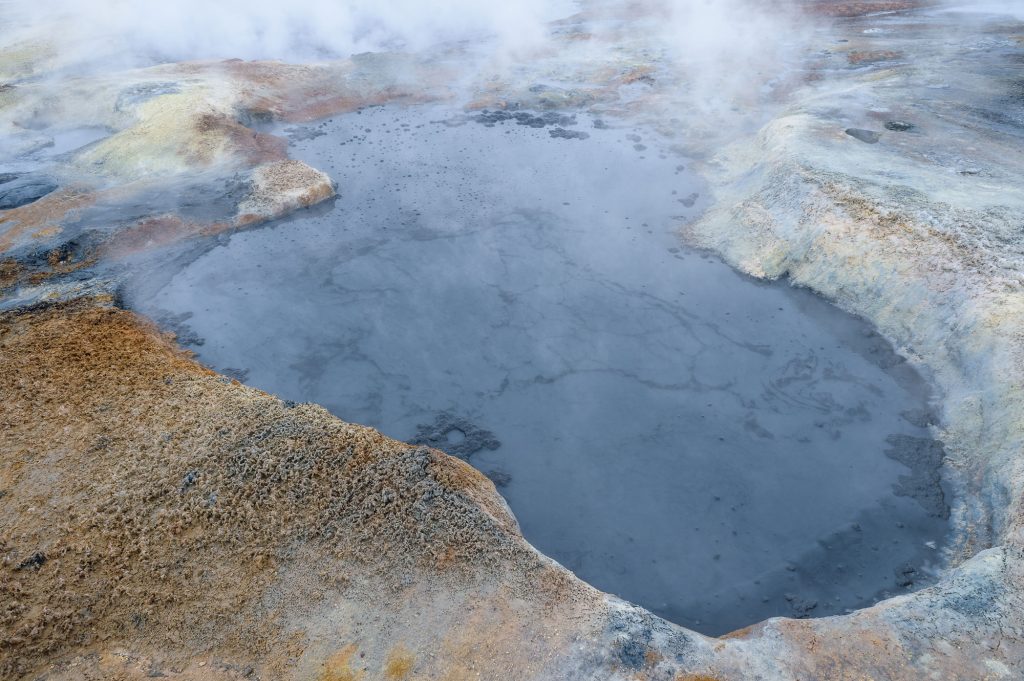
You can stop anywhere on the Reykjanes Peninsula—its landscapes are all worth the detour. However, we recommend visiting Seltún, where sulfur-rich زمین is colored in unreal shades: yellow, orange, gray, blue, and even green. If you enjoy abstract photography, Seltún is the perfect place!
Finally, for landscape photographers who enjoy capturing the ocean, Valahnúkur, at the southwestern tip of the peninsula, is the best spot. Waves crash against black basalt rock formations, offering a spectacle that is both beautiful and terrifying!
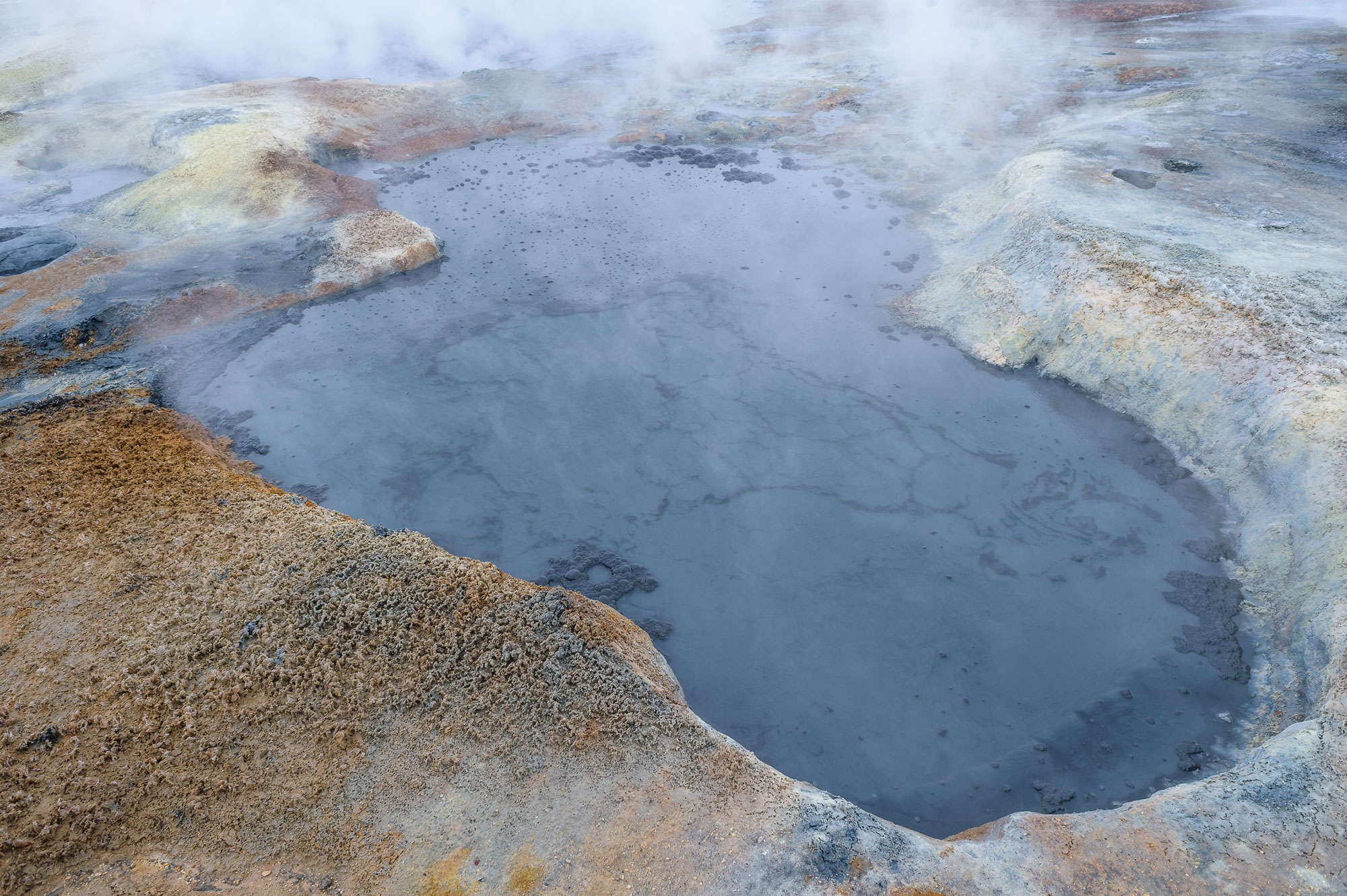
Seltún on the Reykjanes Peninsula
The 1001 waterfalls and cascades of southern Iceland
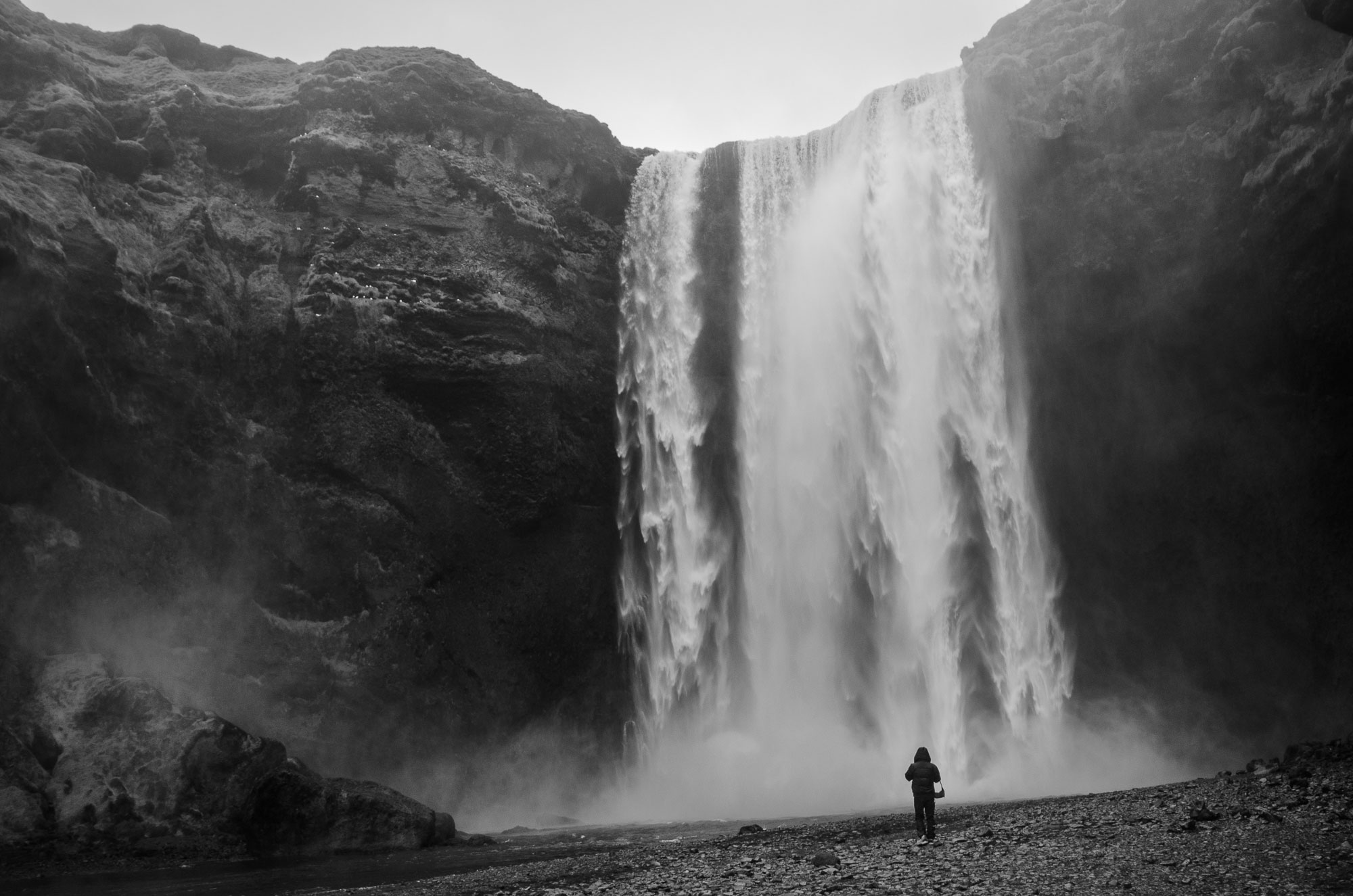
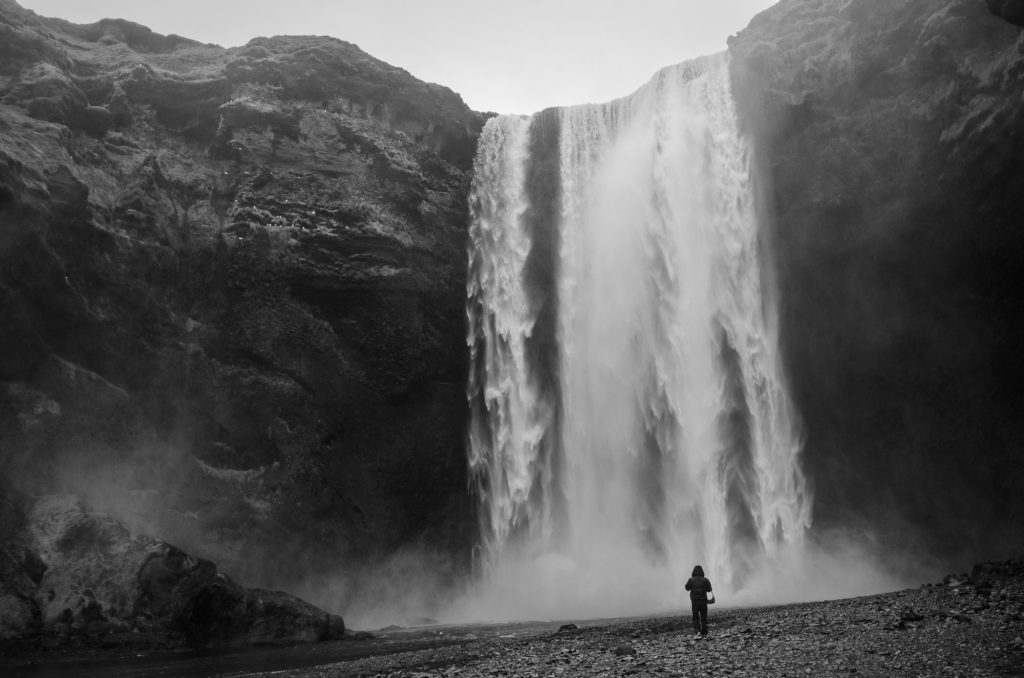
It is impossible to recommend just one waterfall in southern Iceland, as there are so many, each different from the next. Skógafoss, Seljalandsfoss, Kvernufoss, Gljúfrabúi—the list is long, and unfortunately, so are the crowds.
For landscape photography, we recommend choosing some cascades that are less popular with tourists, such as Hjálparfoss. These waterfalls are no less interesting—they are simply less accessible. By choosing less crowded waterfalls, you can take your time and enjoy a quieter, more peaceful natural setting.
Skógafoss Waterfall
Vík beach and its puffins from the Dyrhólaey promontory
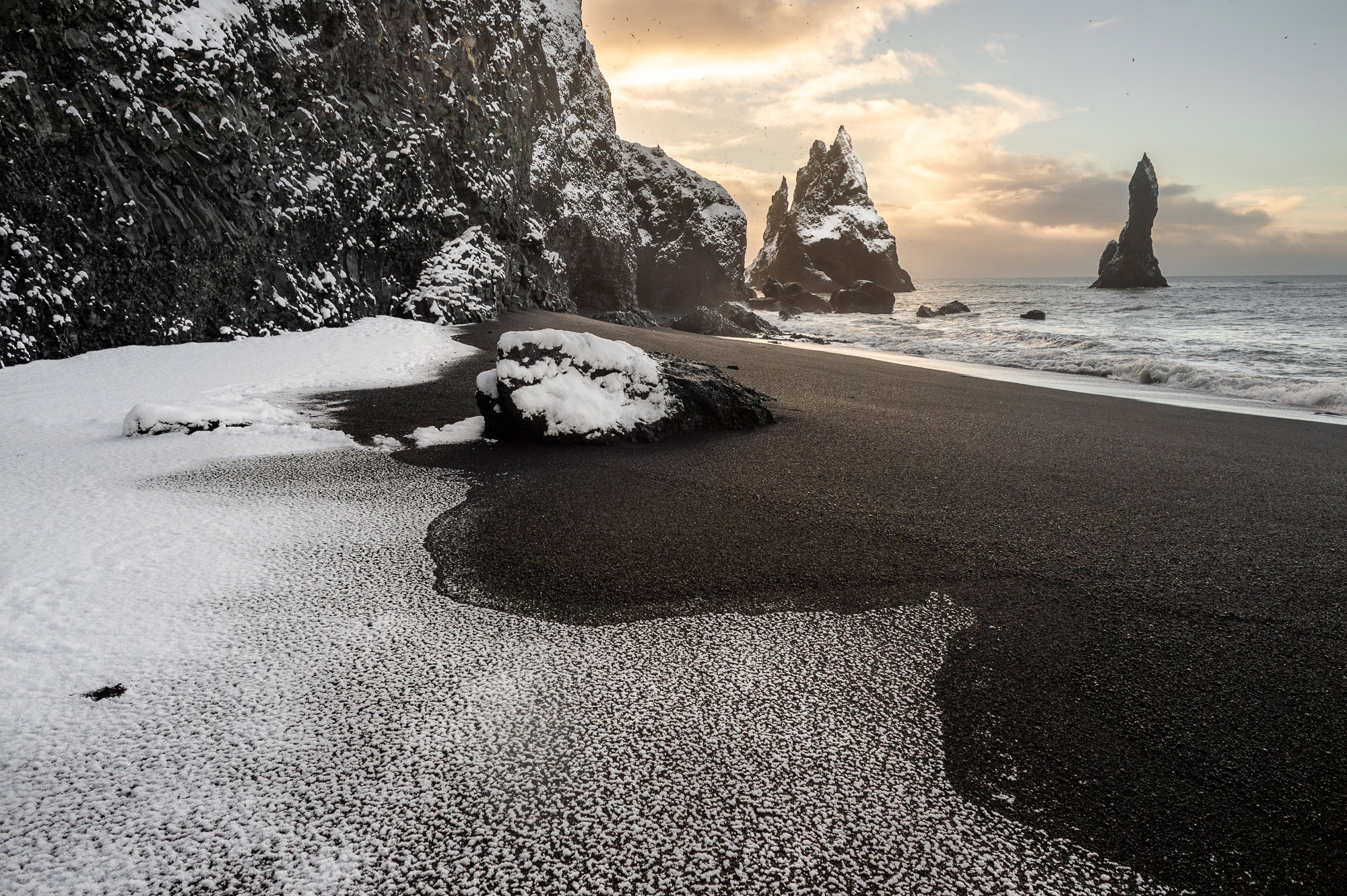
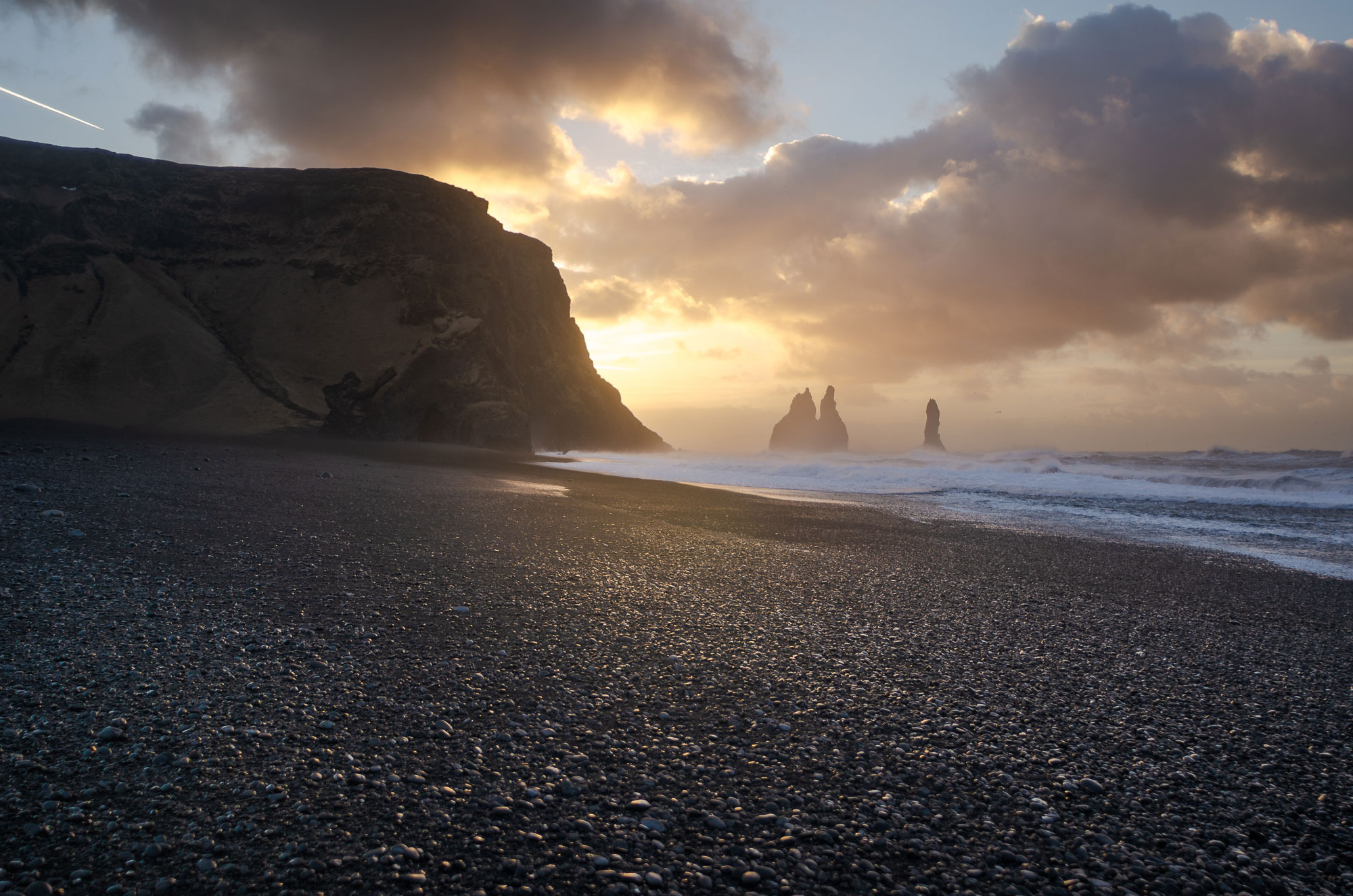
The black sand beach of Reynisfjara near Vík is undoubtedly the most popular and iconic in Iceland. It is also the most photographed site in the country. As a result, this may discourage many photographers who do not want to recreate overdone images. However, Reynisfjara remains a mythical place that must be seen during a 12-day Iceland ring road tour.
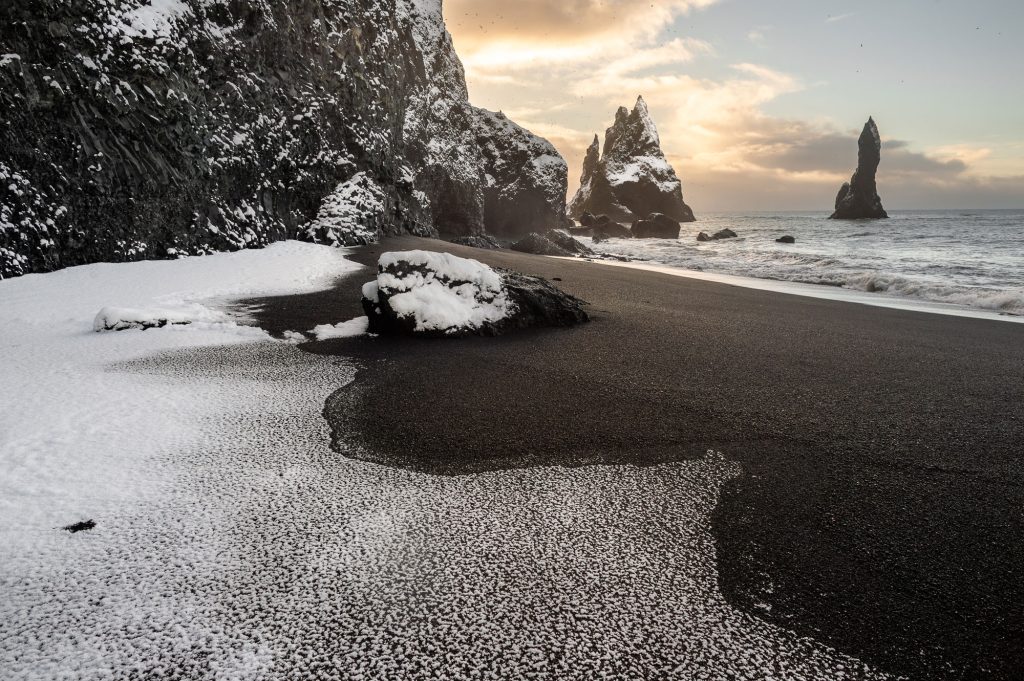
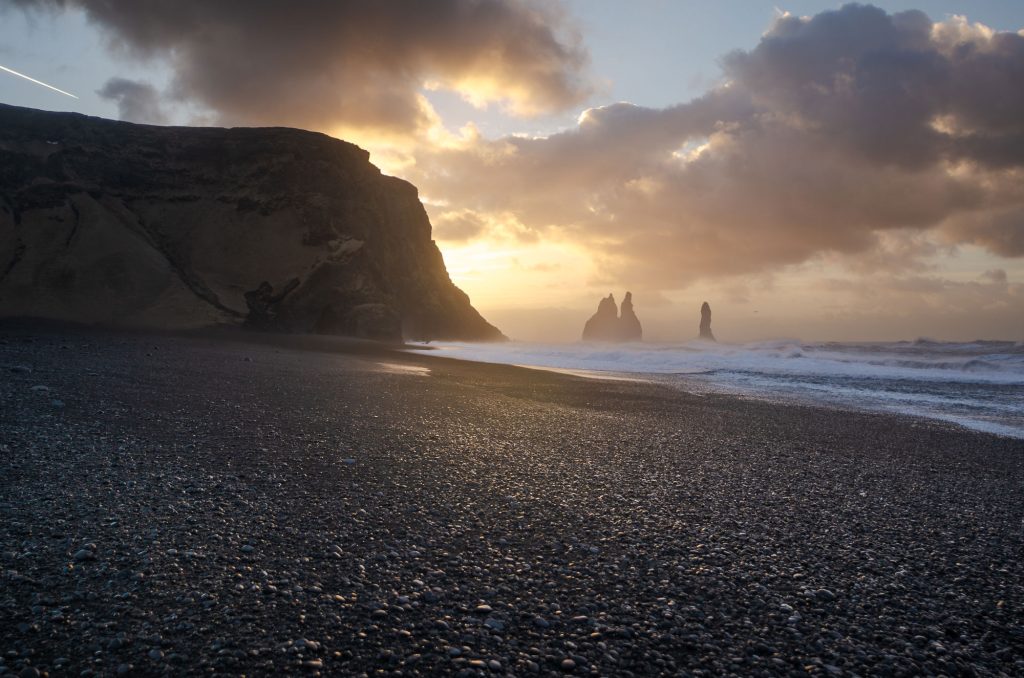
On Reynisfjara beach, you are greeted by a cave surrounded by impressive basalt column formations. This cave looks like a mythical castle straight out of a Nordic legend. In the distance, you can see the impressive Reynisdrangar sea stacks. According to Icelandic folklore, these rock formations are trolls who, while trying to drag a three-masted ship to shore, were caught by the first rays of sunlight and turned to stone near the coast. This spot, exposed both east and west, is one of the best in Iceland for landscape photography. Sunrise, with golden reflections on the foam and basalt columns, is particularly spectacular!
Unfortunately, erosion occurred in 2026, and the site has become dangerous. However, the ocean seems to be gradually restoring the الرمال it has eroded. We therefore recommend checking the current conditions of Vík beach before visiting.
Reynisfjara Beach and the Reynisdrangar trolls in winter
Reynisfjara on the Ring Road in Iceland
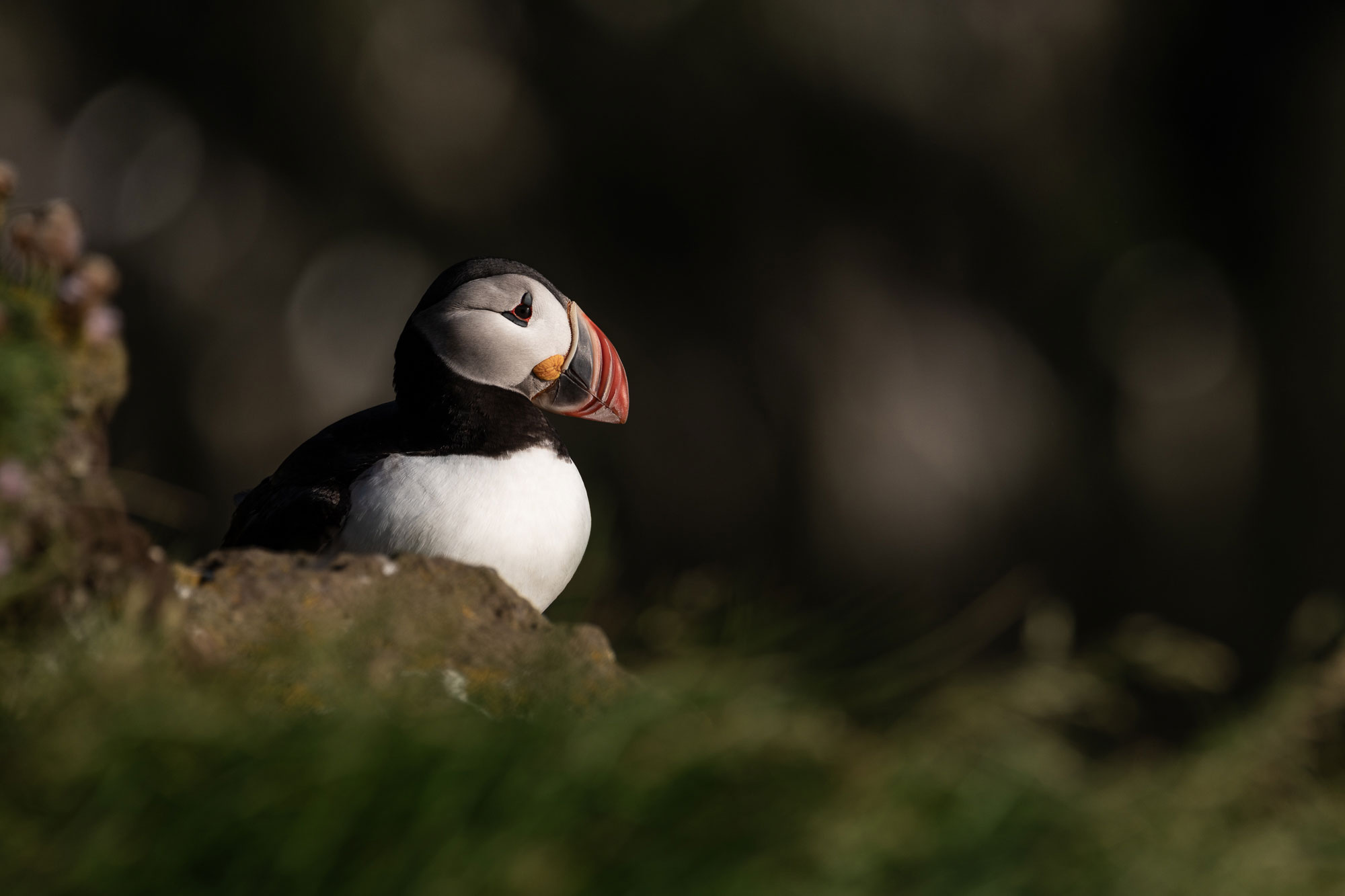
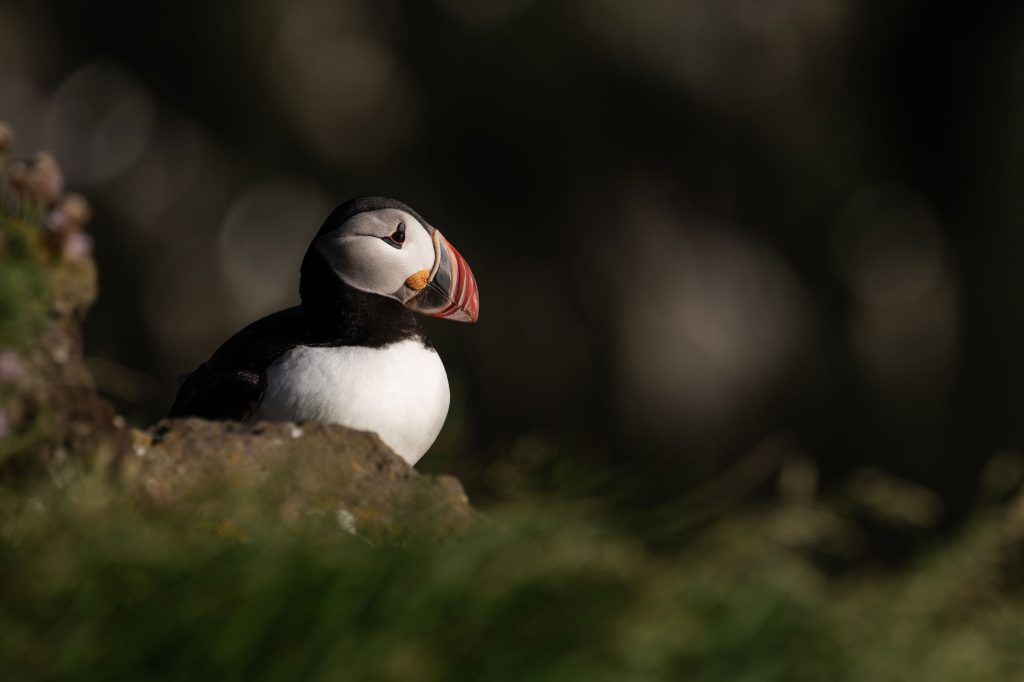
If you are doing the Iceland ring road tour in summer, we also recommend visiting the Dyrhólaey Peninsula, about 17 km from Reynisfjara beach. This impressive 120-meter-high arch-shaped peninsula is home to many seabirds, especially puffins, which breed there in large numbers. Note, however, that access is closed in May and June to protect the puffins. The site reopens in July.
Puffin at Dyrhólaey
The Vatnajökull glacier
It is impossible to do a 12-day Iceland ring road tour without exploring the Vatnajökull glacier. You simply cannot miss Europe’s largest glacier and its impact on Icelandic landscapes!
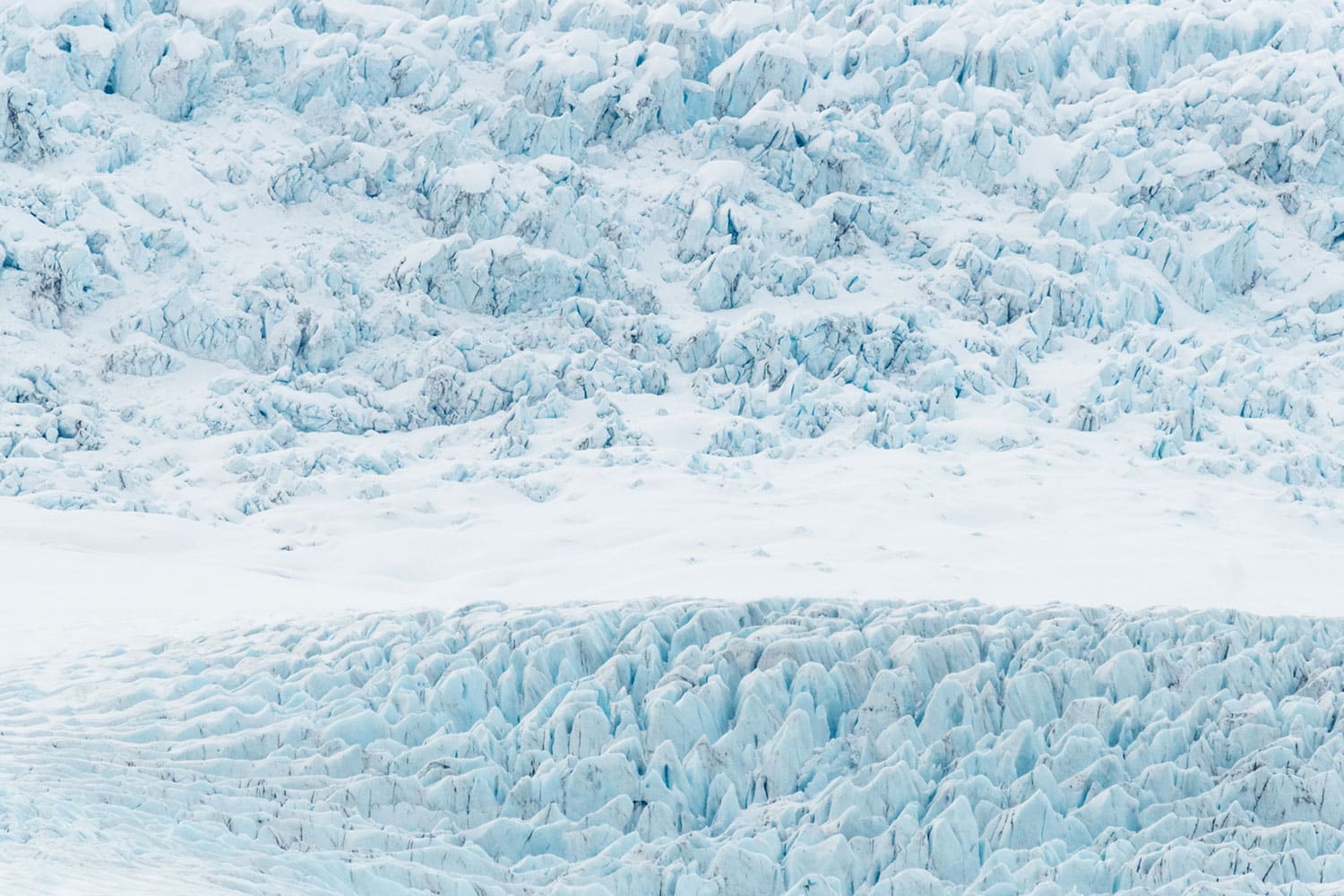
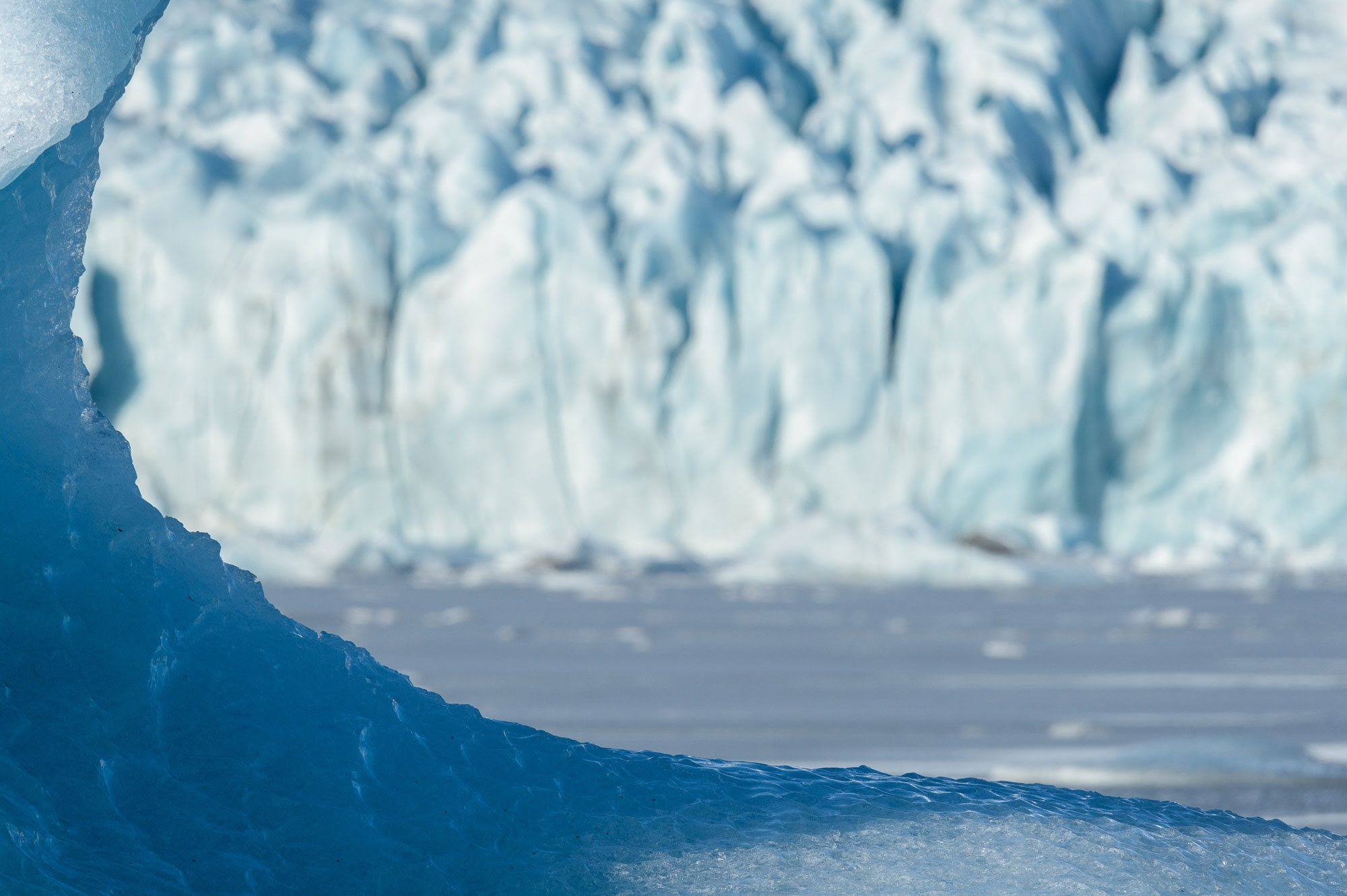
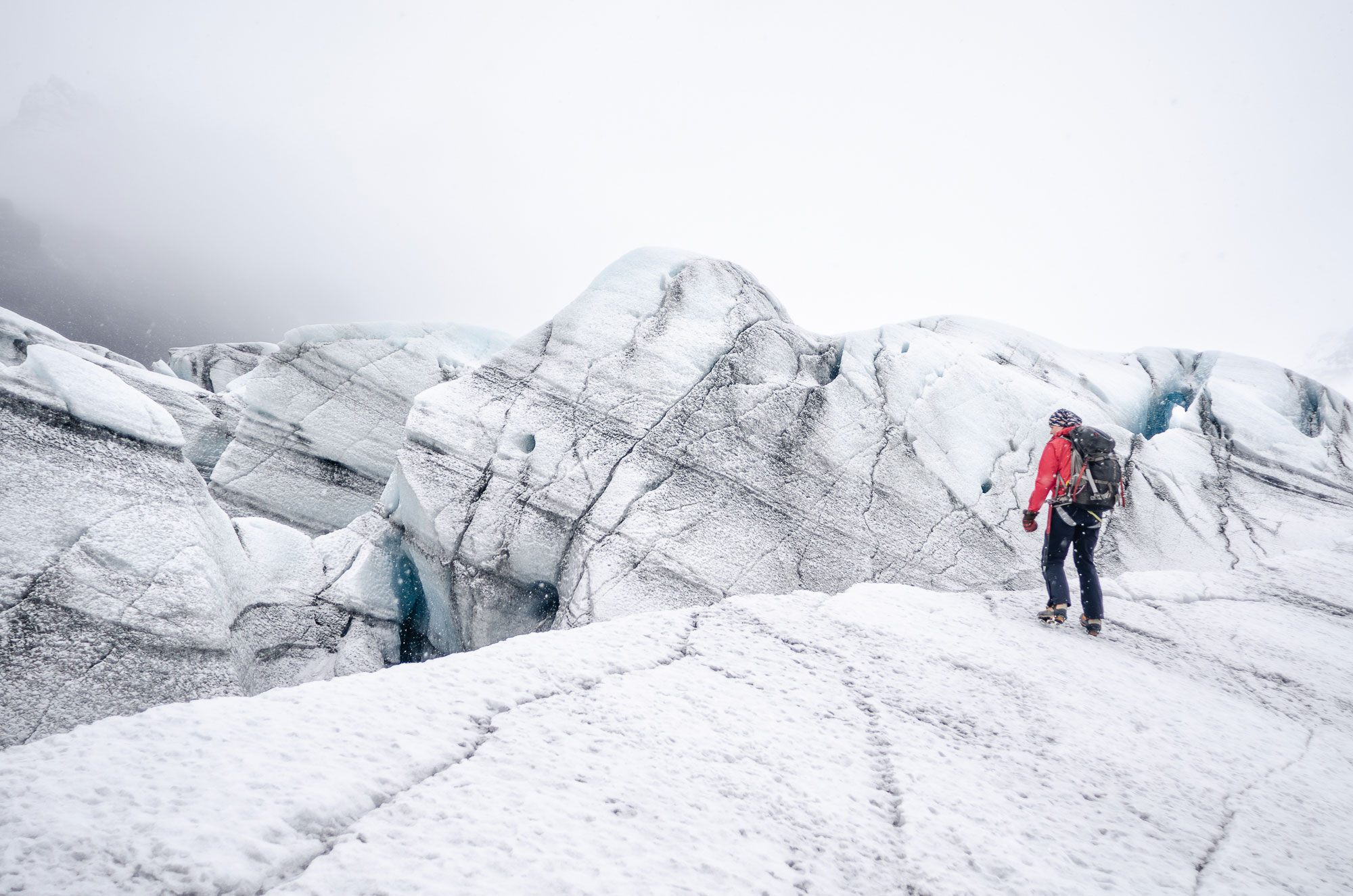
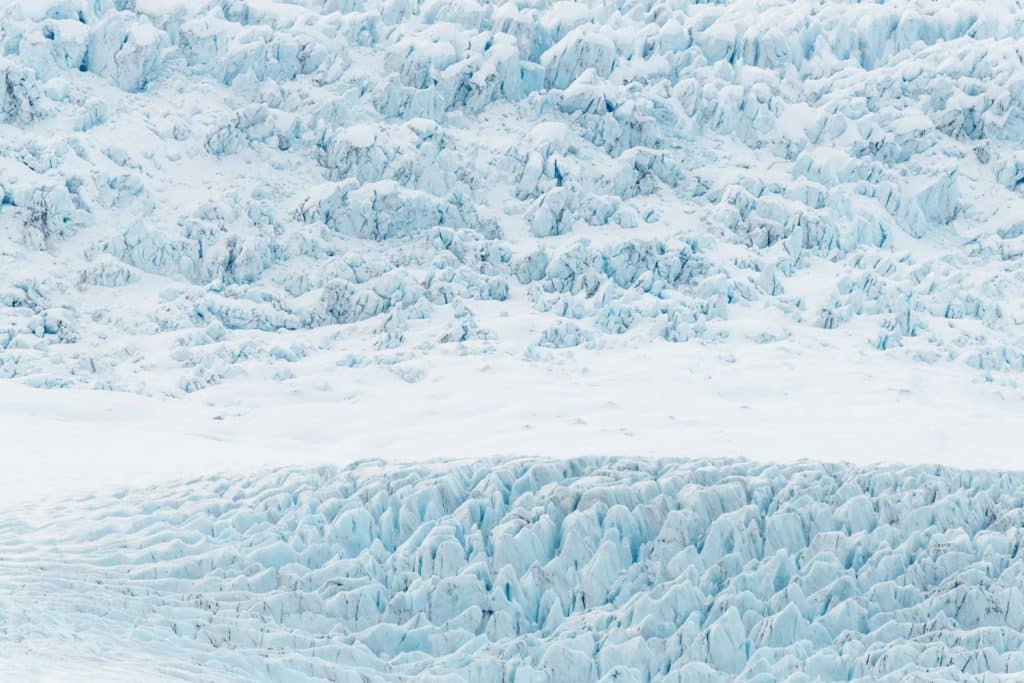
However, the Vatnajökull region is vast. The main question is: how do you choose your spots? First, it’s important to know that accessing the glacier itself is difficult and dangerous. But there is a safer and easier way to photograph Vatnajökull without taking unnecessary risks: explore its glacier tongues! Our favorite is Fjallsjökull, where you can get very close to the glacier and enjoy its lagoon, Fjallsárlón, where icebergs drift peacefully.
Early morning is clearly the best time to photograph Vatnajökull. On one hand, the landscape opens toward the east, and on the other, tourists arrive later in the day.
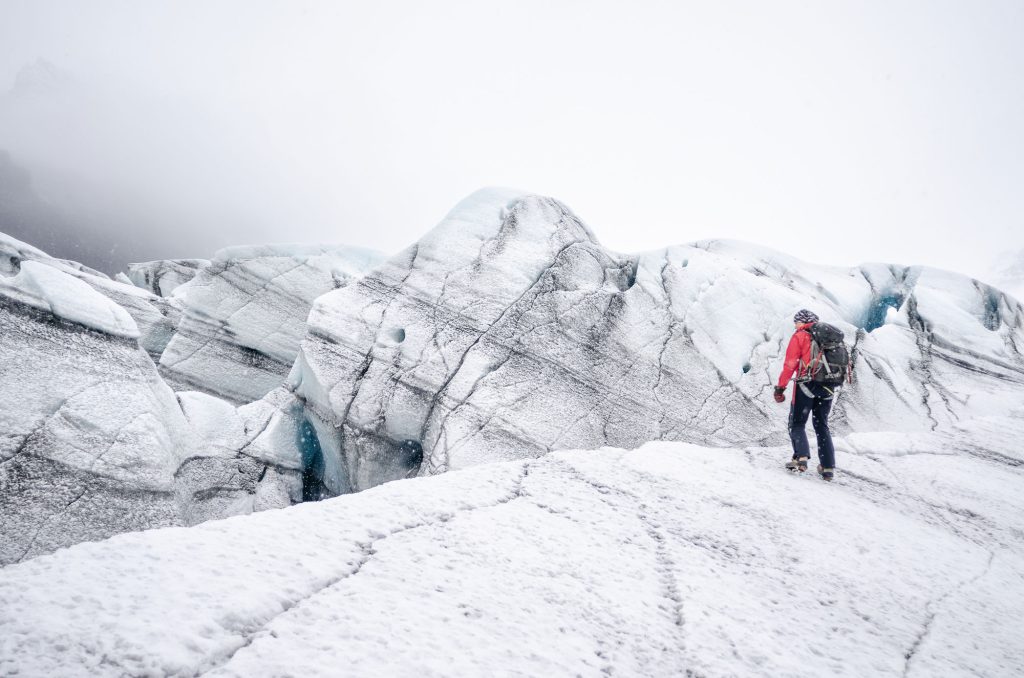
Iceland and its immense glaciers
Vatnajökull on the Ring Road in Iceland
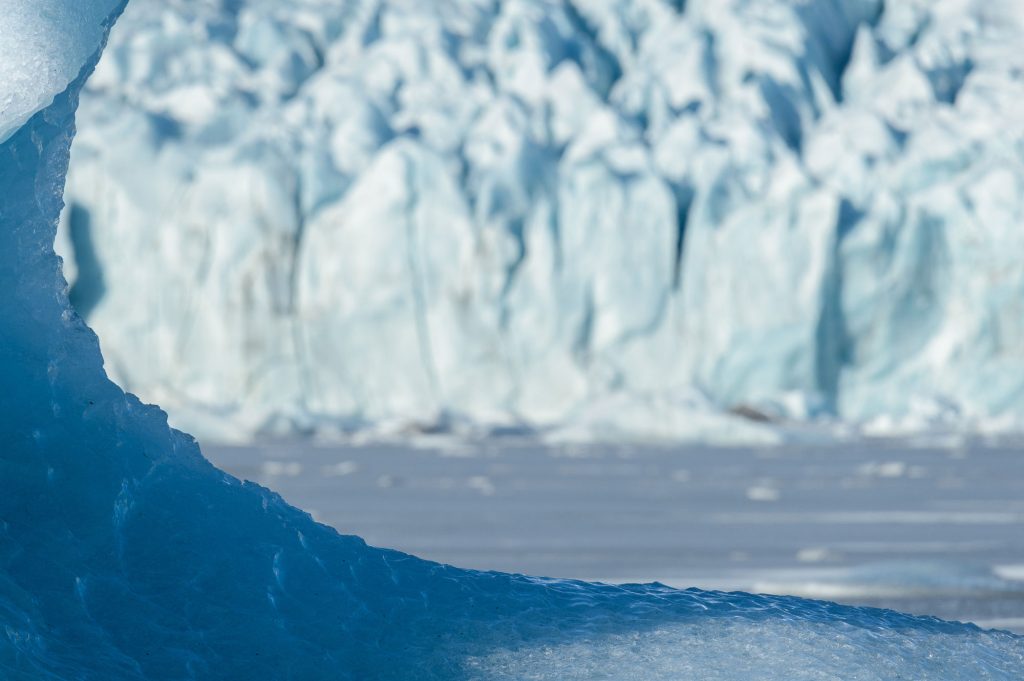
The Vatnajökull Glacier
The Jökulsárlón lagoon
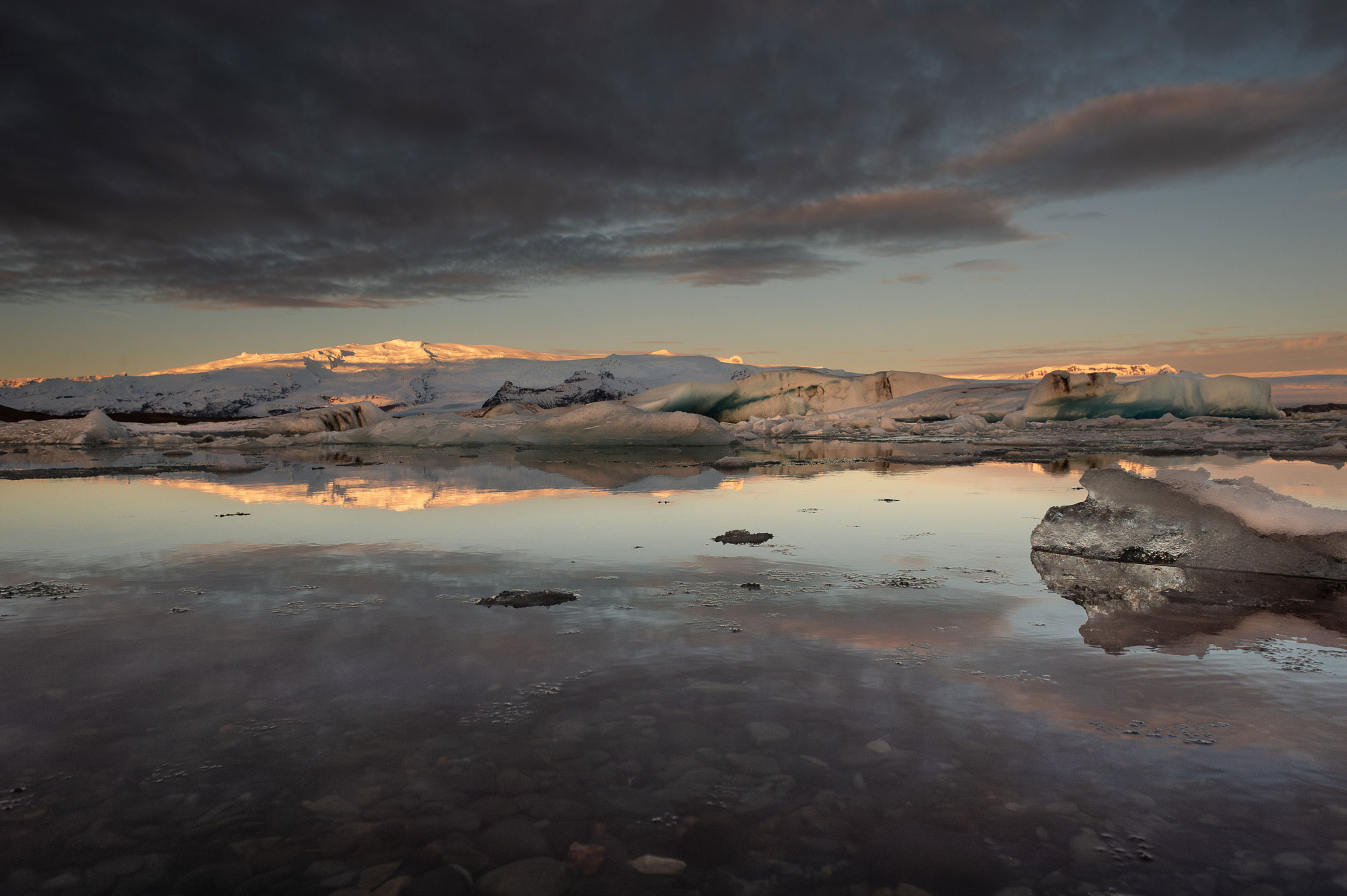
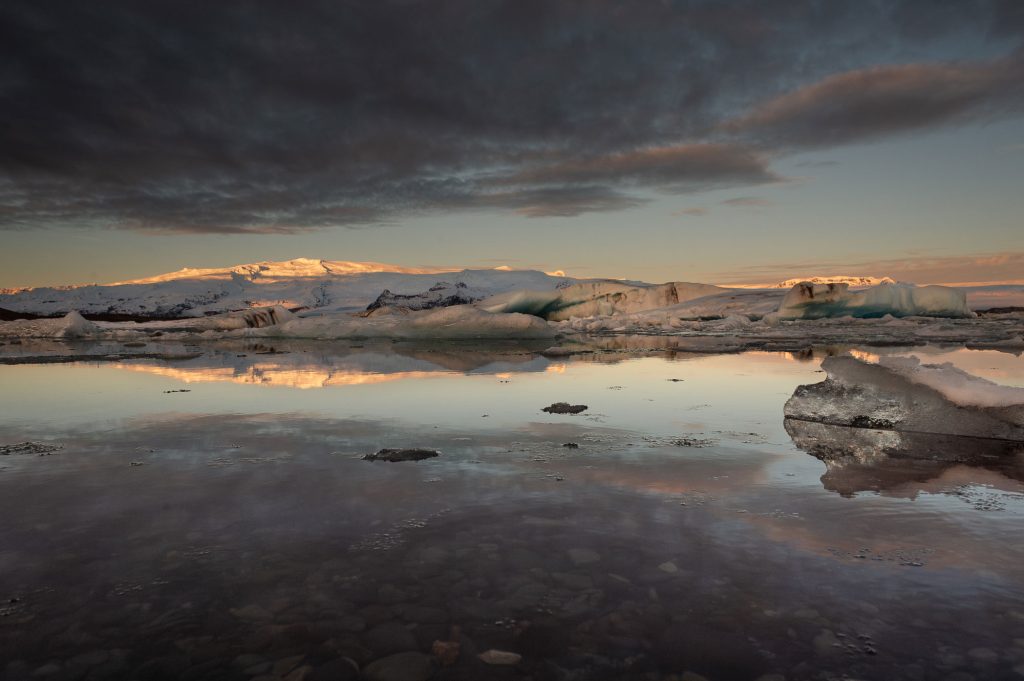
Still in the Vatnajökull area, a few kilometers east of Fjallsjökull, lies the Jökulsárlón lagoon. This lagoon is formed by melting ice and offers a spectacular display of drifting icebergs. However, be warned—this site is very crowded. Unfortunately, you won’t escape the constant arrival of tourist buses throughout the day. Still, it remains a must-see during a 12-day Iceland ring road tour.
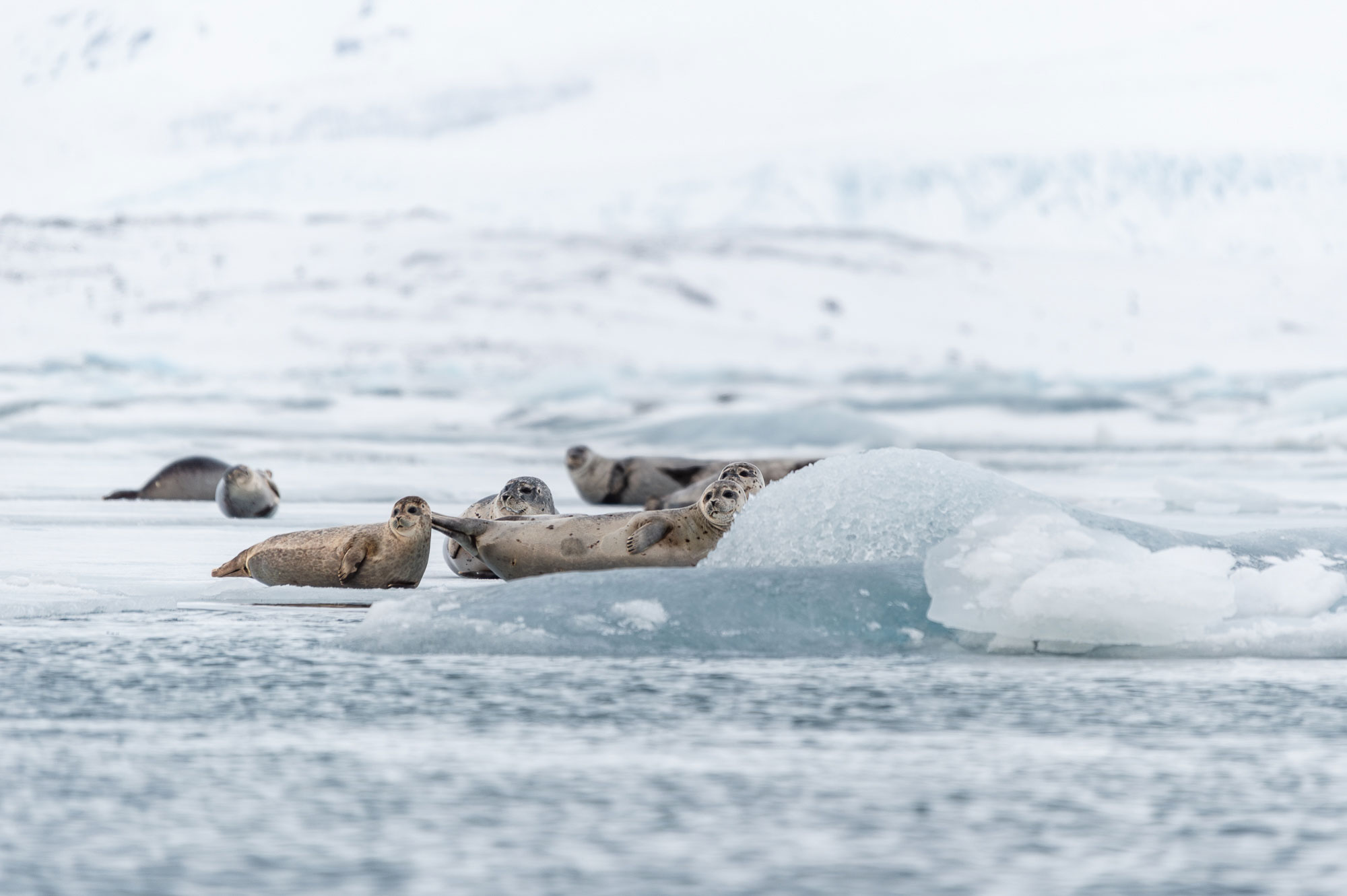
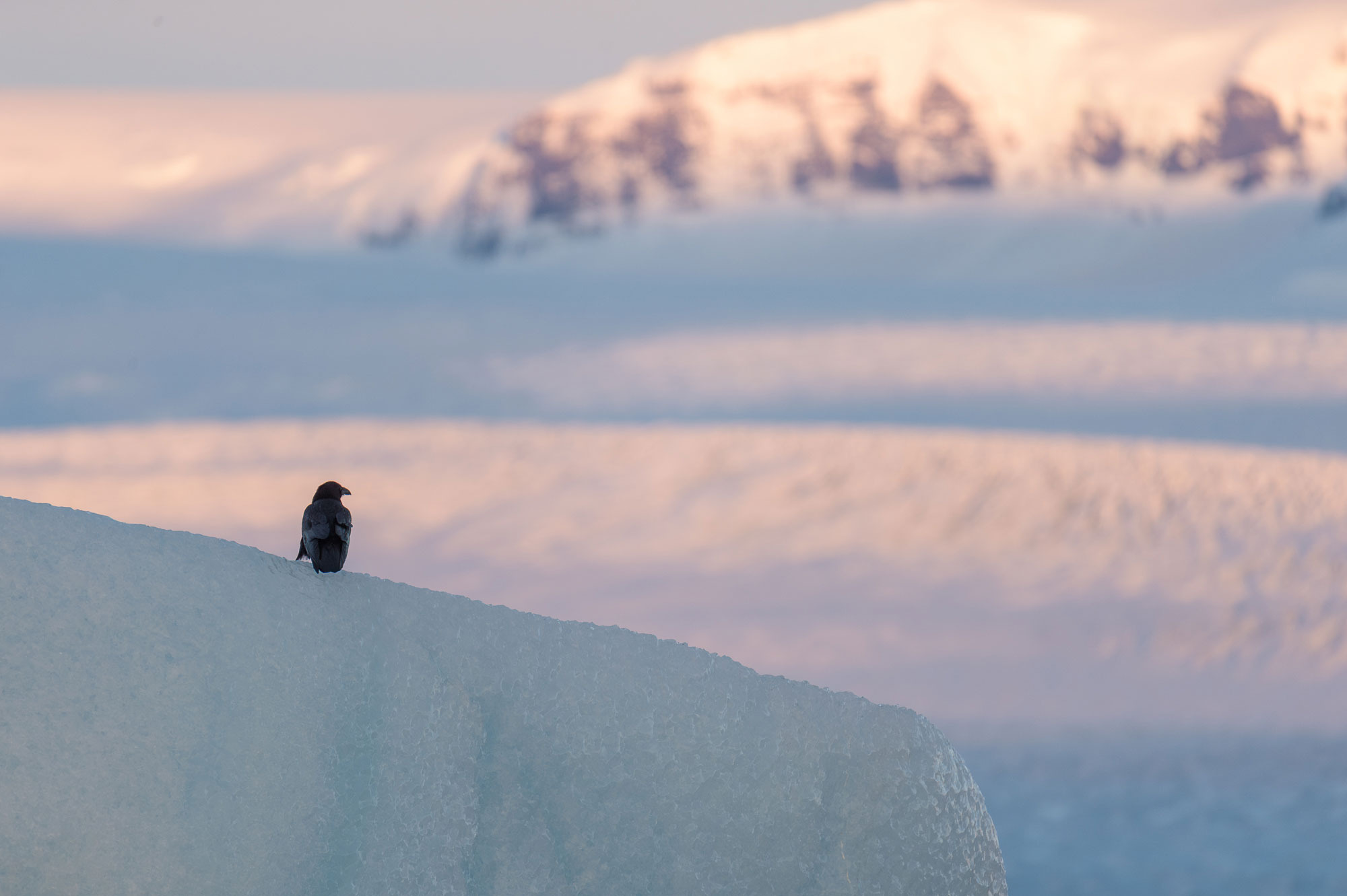
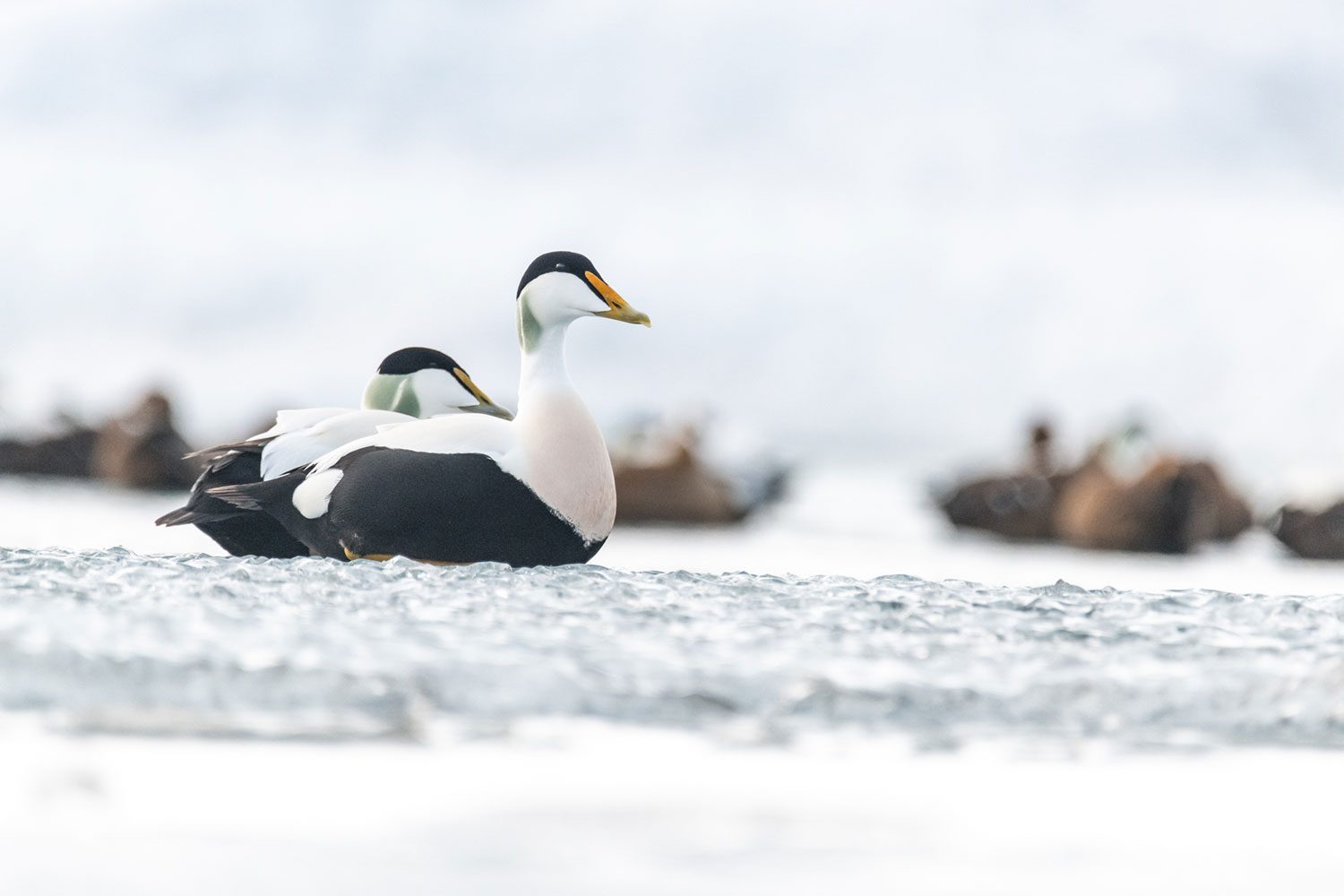
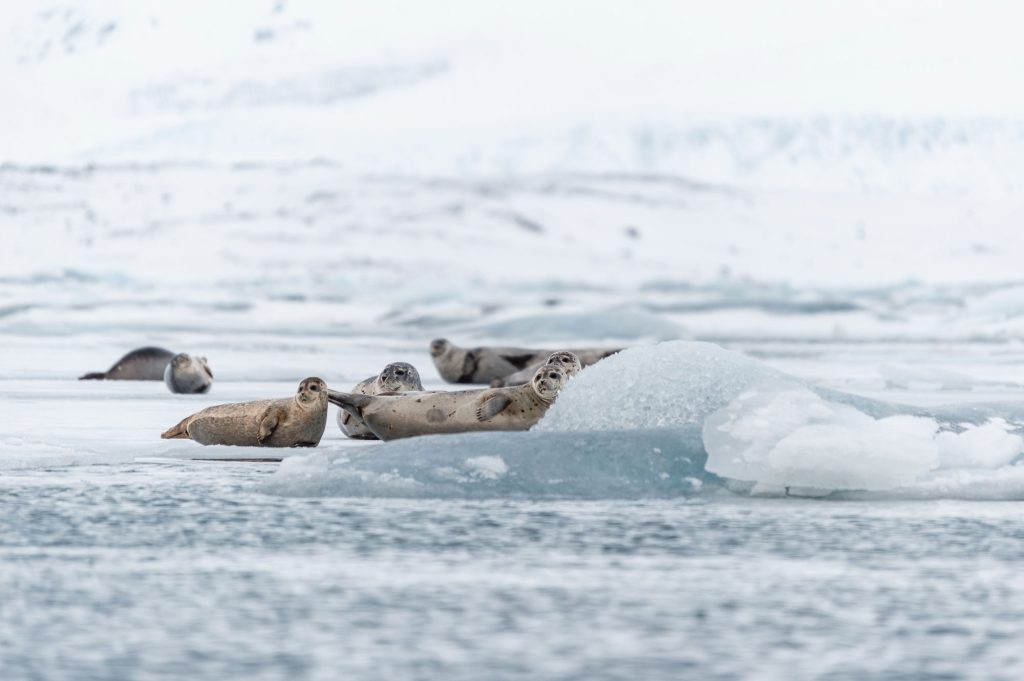
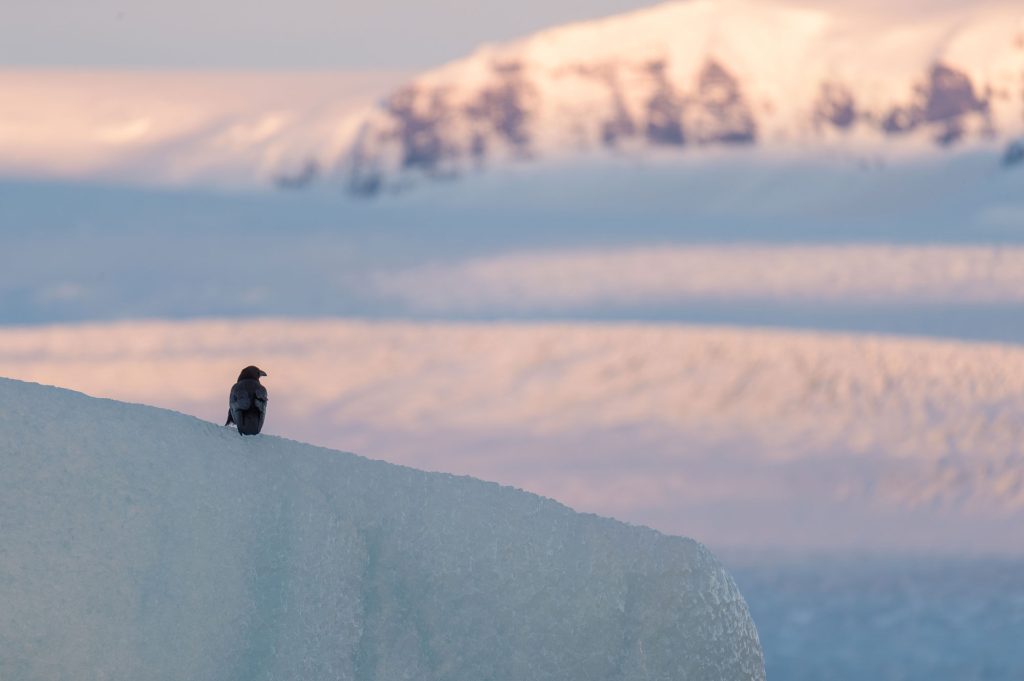
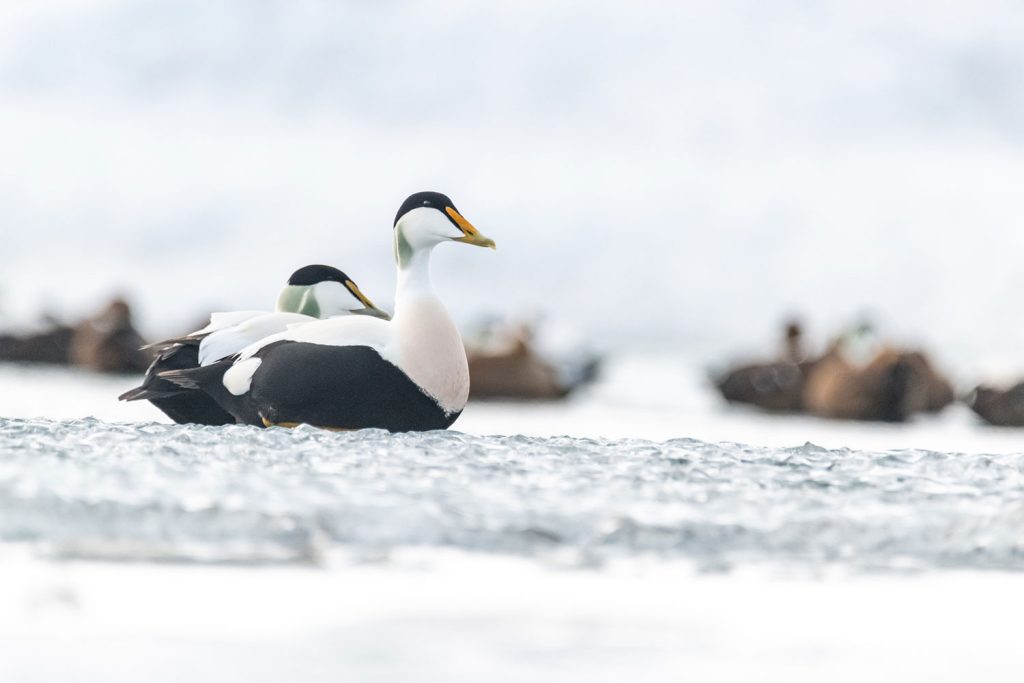
We mention this lagoon because several animal species seem particularly fond of it. Wildlife photographers can capture harbor seals, eider ducks, and even ravens landing on the icebergs—often from quite a close distance. The contrast is striking!
Common seals on the ice of Jökulsárlón
Common raven on the ice of Jökulsárlón
Common eider in southern Iceland
The Jökulsárlón glacier lagoon
Diamond Beach
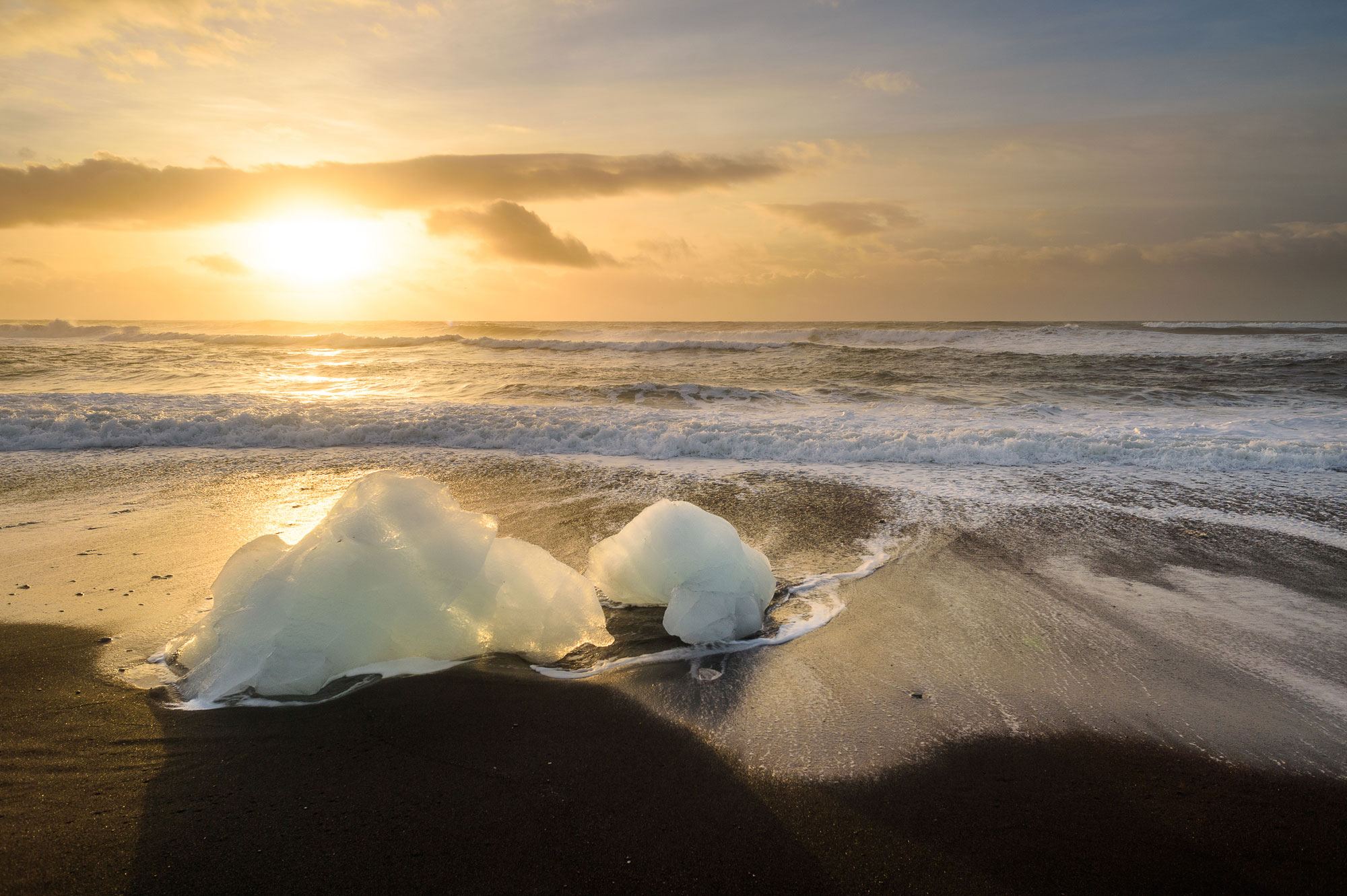
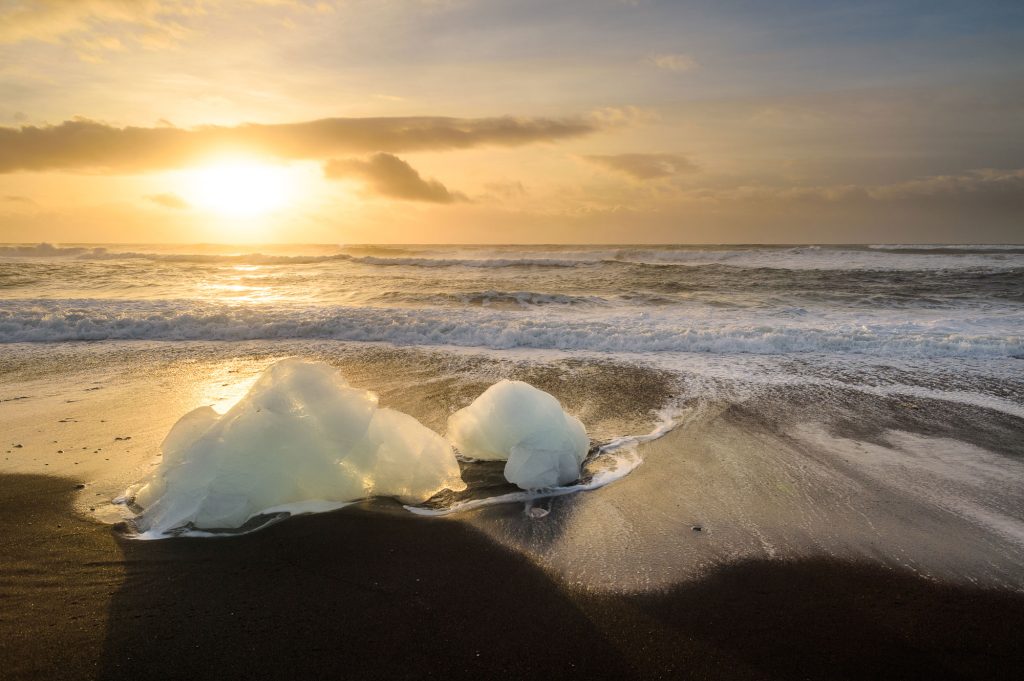
The final must-see photography spot near Vatnajökull is Diamond Beach, a black sand beach where thousands of icebergs end their journey. This journey begins when they break off from the Vatnajökull glacier and fall into the Jökulsárlón lagoon. They then drift across the lagoon before reaching the short river Jökulsá á Breiðamerkursandi, which carries them to the ocean. Once there, the icebergs wash ashore and slowly melt.
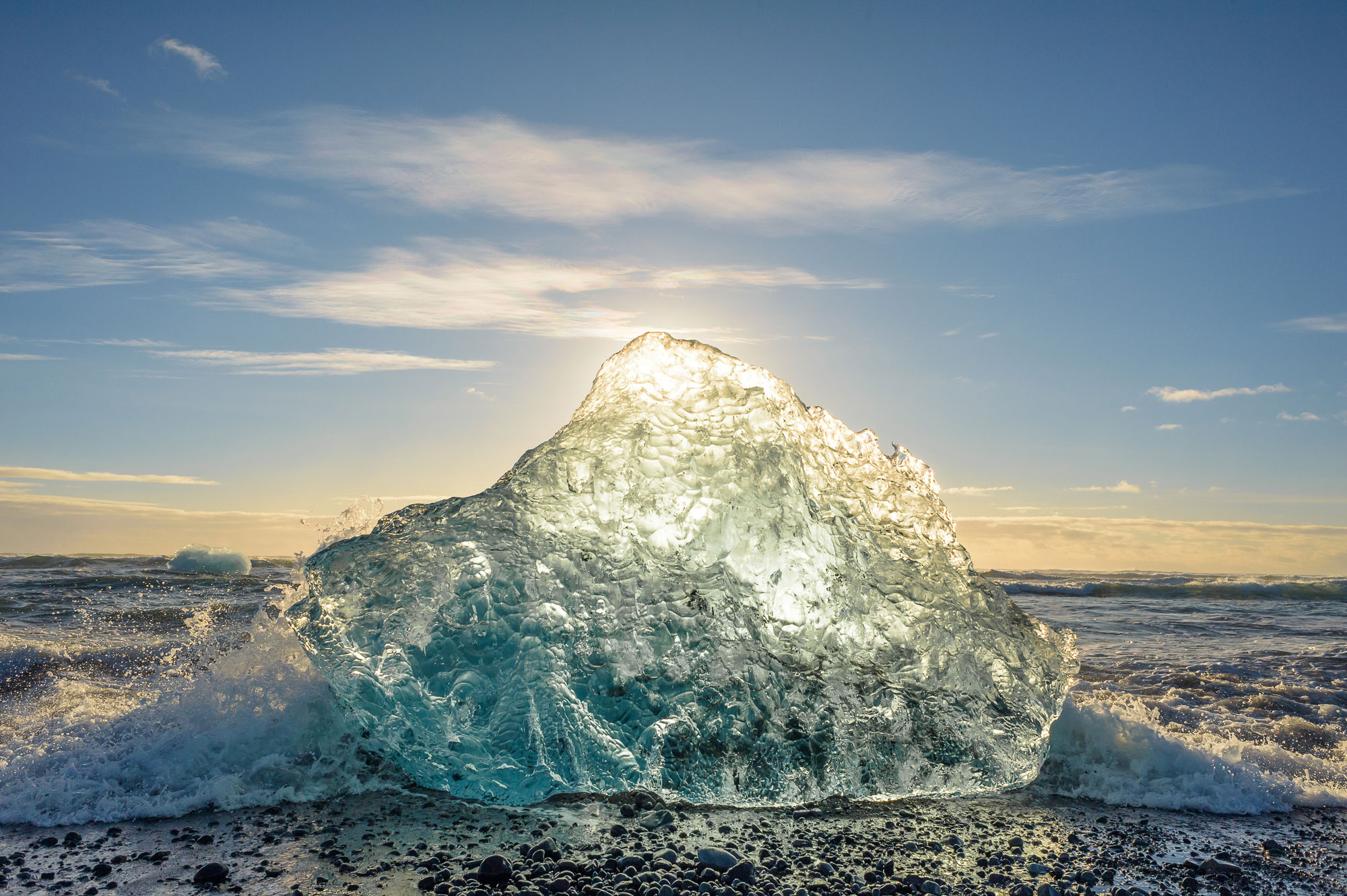
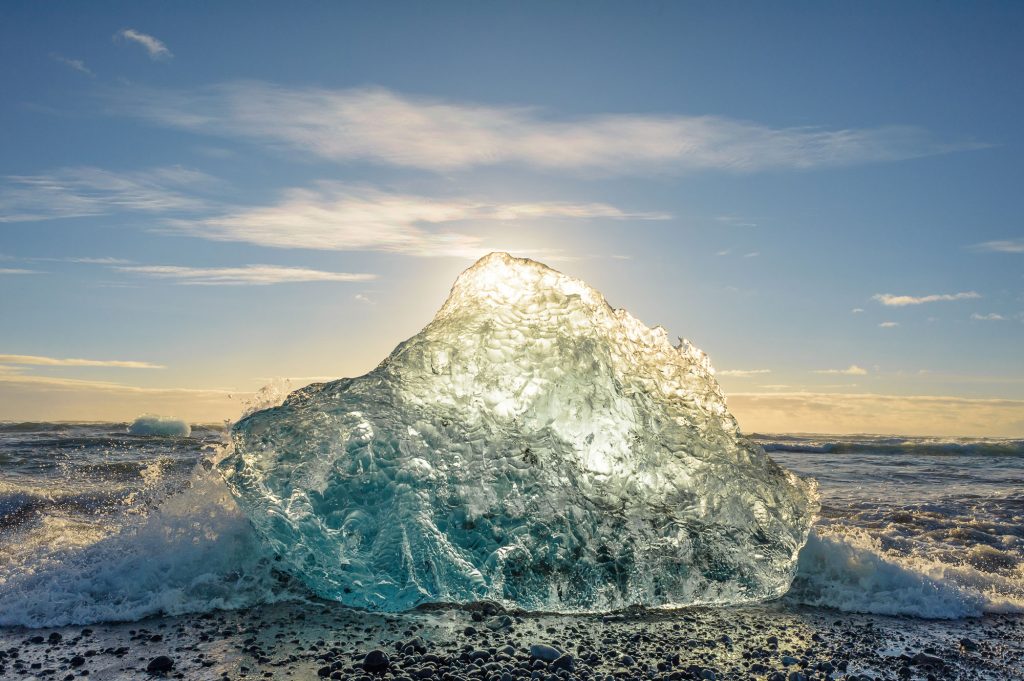
Diamond Beach is an incredible playground for landscape photographers. Thousands of icebergs, of various sizes and shapes, rest on the black sand. At sunrise, sunlight passes through the ice, creating stunning reflections. Cool blue tones mix with warm orange hues in a combination that is almost surreal. Whenever we do the Iceland ring road tour, we always dedicate a photography session to this beach.
Iceberg at Diamond Beach in Iceland
Skaftafell National Park and Svartifoss waterfall
The Skaftafell National Park is a natural gem, nestled between several tongues of the Vatnajökull glacier. We recommend this national park during a 12-day Iceland ring road tour because, on one hand, it offers beautiful hikes at the foot of the glacier—with the chance of spotting Arctic foxes—and on the other, because of the stunning Svartifoss waterfall!
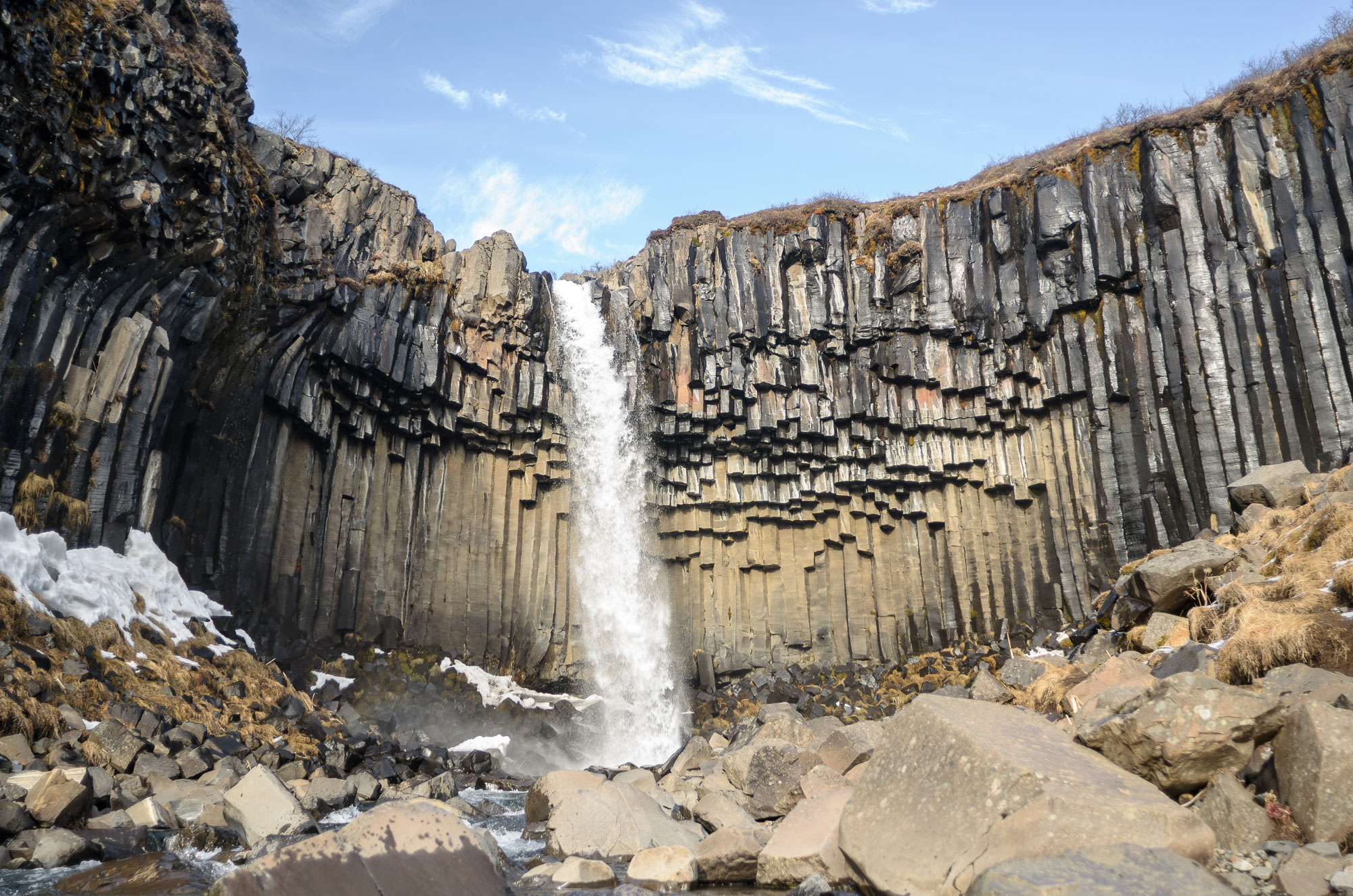
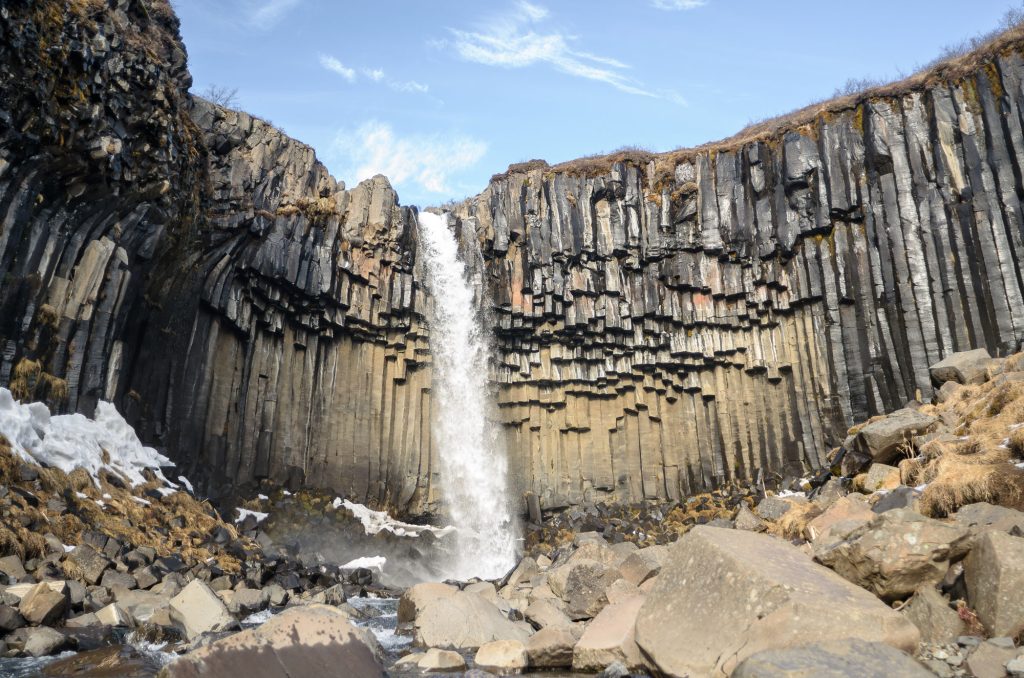
Svartifoss means “black waterfall” in Icelandic. It gets its name from the basalt columns forming the cliff from which the water cascades powerfully. This waterfall is our favorite in Iceland. We recommend visiting in winter at sunrise for the best conditions. During a 12-day landscape photography trip in Iceland, Svartifoss is at the top of our list. However, you should allow about a 30-minute walk from the park entrance to reach the site.
Additionally, other landscape photography opportunities await you in Skaftafell National Park. You will enjoy stunning views of the Skaftafellsjökull glacier tongue to the east and the vast desert plain of Skeiðarársandur to the south. This plain was formed by successive floods caused by volcanic eruptions that released glacial ice—the most recent occurring in 1996 during the eruption of the Grímsvötn volcano.
Svartifoss in Skaftafell National Park
The Skeiðarársandur desert plain, as seen from Skaftafell National Park
Ring Road – Act 2: The Eastfjords
Eastern Iceland is less touristy than the south. Some fjords are still wild and lesser-known. However, since time is limited during a 12-day trip, we will focus on the essentials when it comes to points of interest in the Eastfjords. If you decide to skip another part of the itinerary (such as the Westfjords), you can spend more time exploring the east.
The famous Stokksnes beach
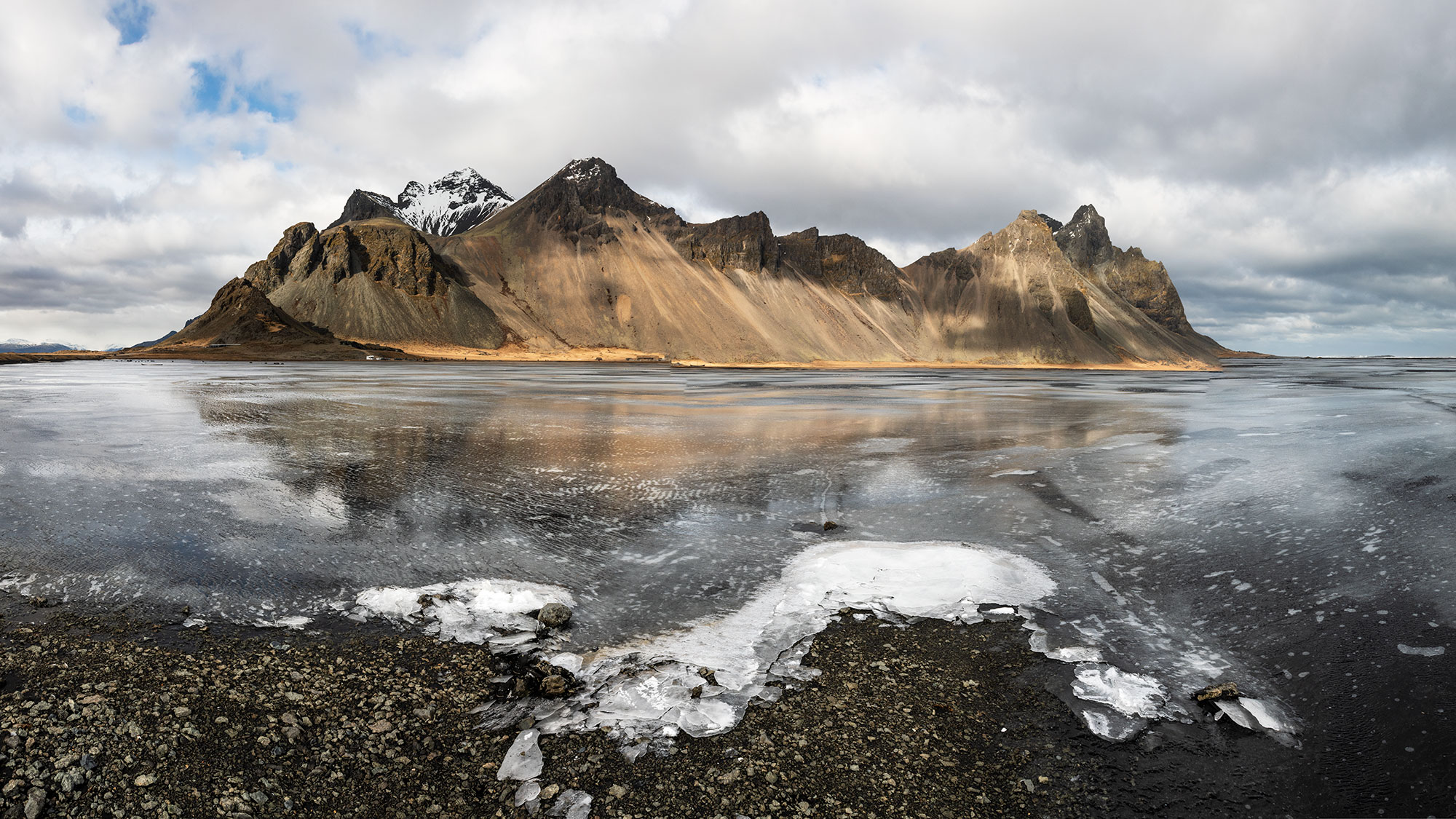
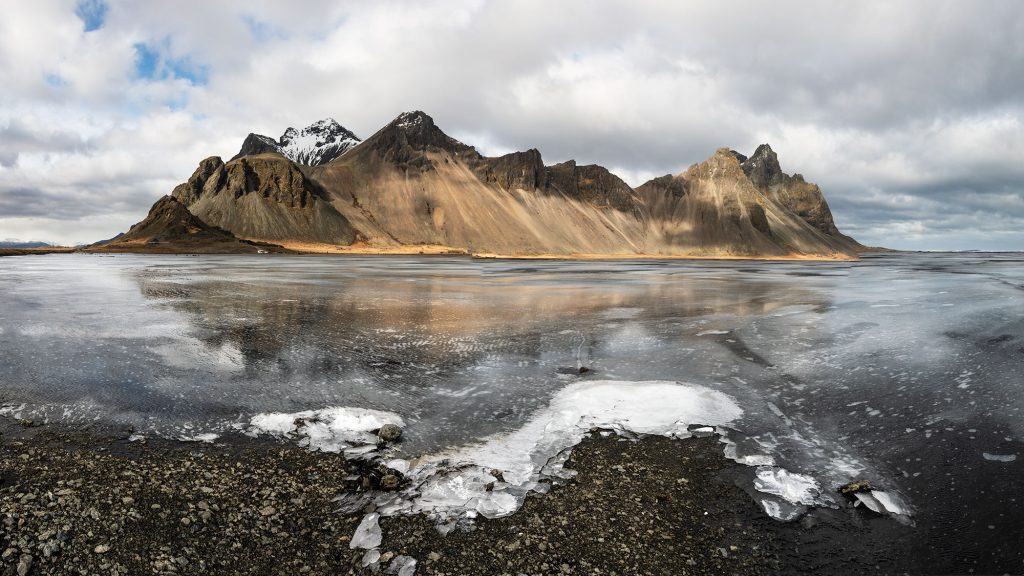
Stokksnes is a very popular beach in Iceland, especially for landscape photography. It is a vast stretch of black sand made up of small dunes that flood at high tide. The beach is dominated by the Vestrahorn mountains, which rise like a dark wall facing the ocean. Their jagged peaks reflect in the water—or ice in winter—creating beautiful reflections for photographers.
For soft light and gentle atmospheres, we recommend visiting Stokksnes early in the morning at sunrise. In the evening, contrasts are stronger. When the sky is filled with clouds, the chances of a dramatic sunset increase.
In winter, the standing water on Stokksnes beach freezes. This thin layer of ice reflects the Vestrahorn mountains and contrasts beautifully with the black sand. It is our favorite time to photograph Stokksnes beach.
Stokksnes Beach in Iceland
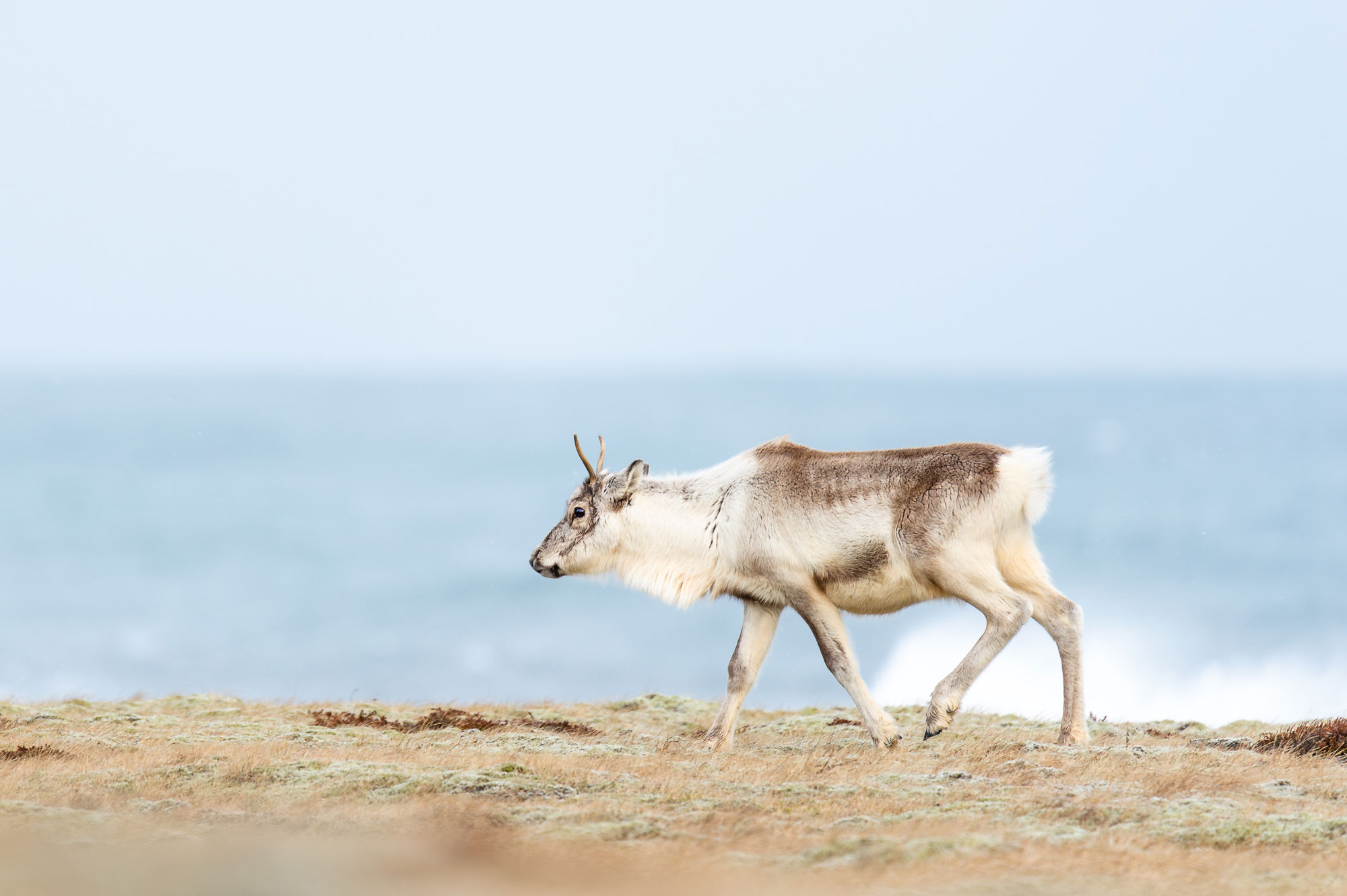
Wild reindeer on the Iceland Ring Road tour
Although they now seem to be part of eastern Iceland’s landscape, reindeer have not always lived on the island—they are not endemic. The arrival of reindeer in Iceland is relatively recent. Starting in 1771, Icelanders introduced these Arctic deer for farming, using them for meat and fur, inspired by the Sámi people of northern Scandinavia.
However, Iceland initially lacked the knowledge and resources to sustain them. Their population gradually declined and was declared extinct in the early 20th century.
The story could have ended there, but about a hundred individuals survived east of the Vatnajökull glacier. This population adapted and reproduced, forming a new group of over 4,000 individuals today.
The story of reindeer in Iceland, like that of Icelandic horses or Arctic foxes, is one of adaptation to a harsh, changing, and unpredictable climate.
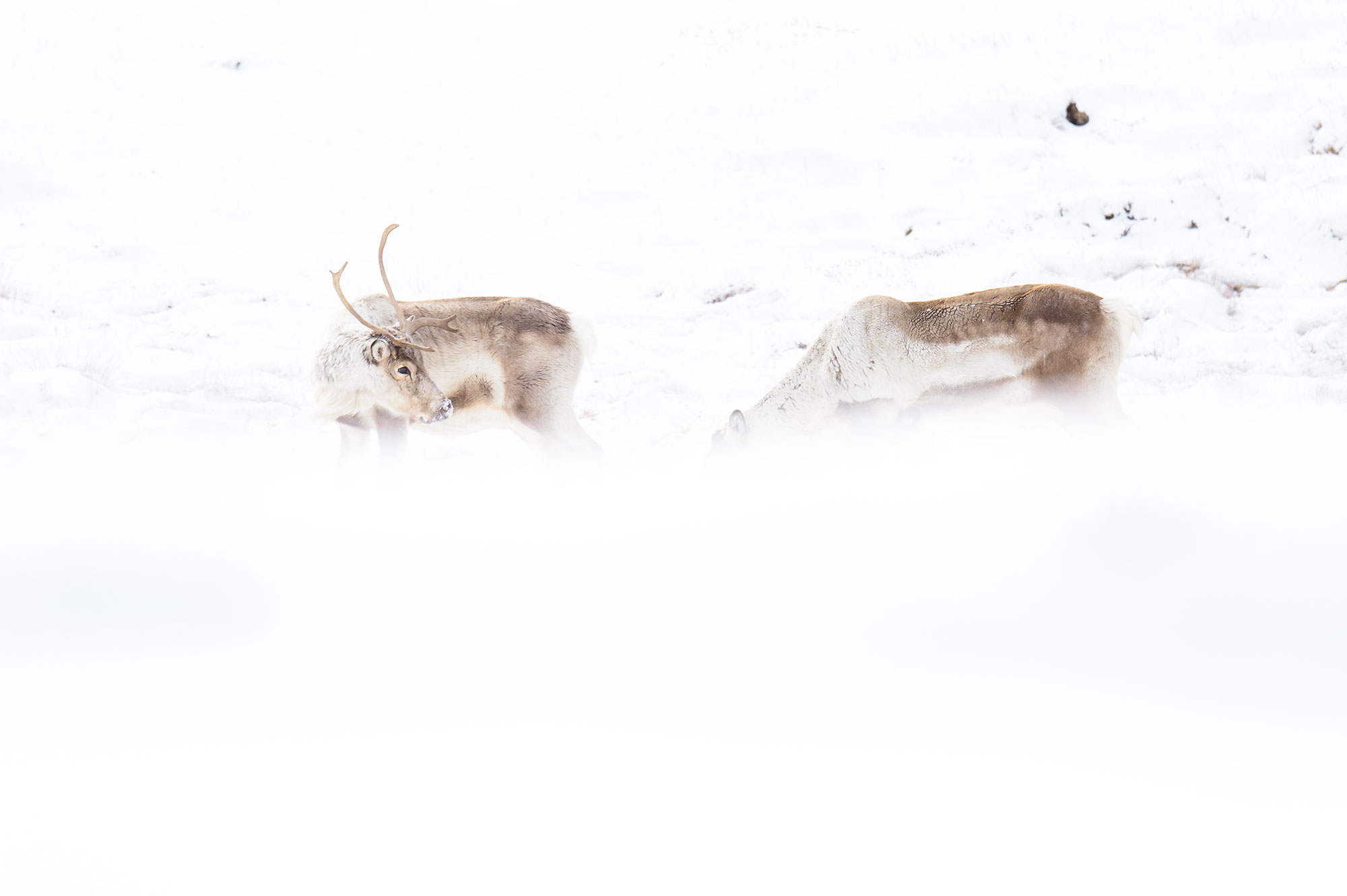
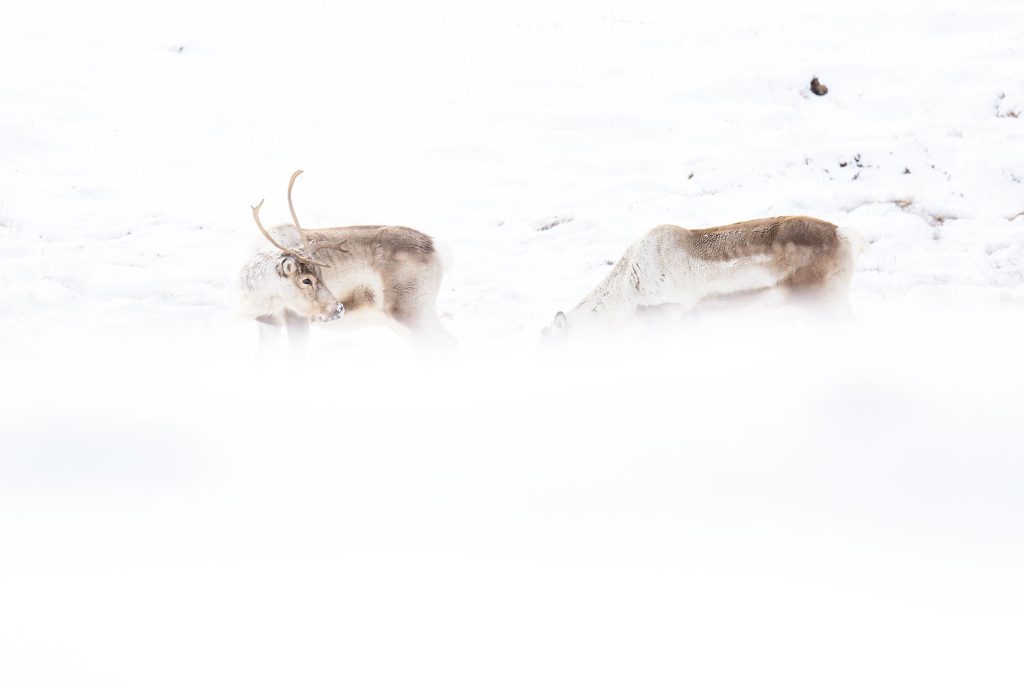
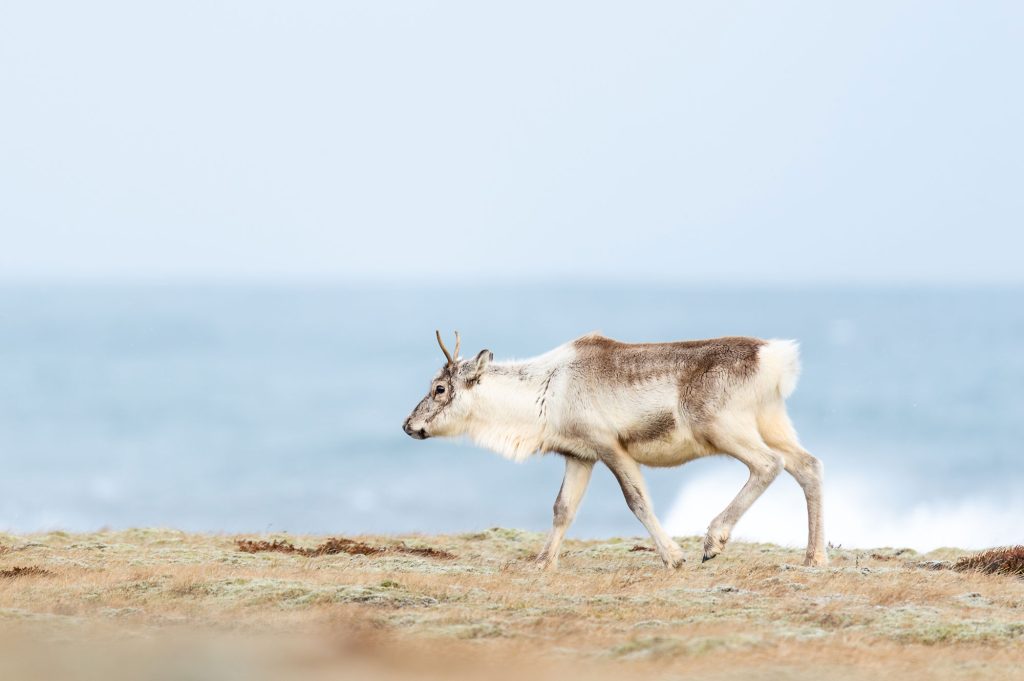
In winter, you can observe and photograph reindeer in Iceland along the Eastfjords coast. In summer, they migrate to the mountains to find lichen and shrubs and to give birth, making them much harder to locate across such vast territory.
Wild reindeer in Iceland
Reindeer on the Ring Road in Iceland
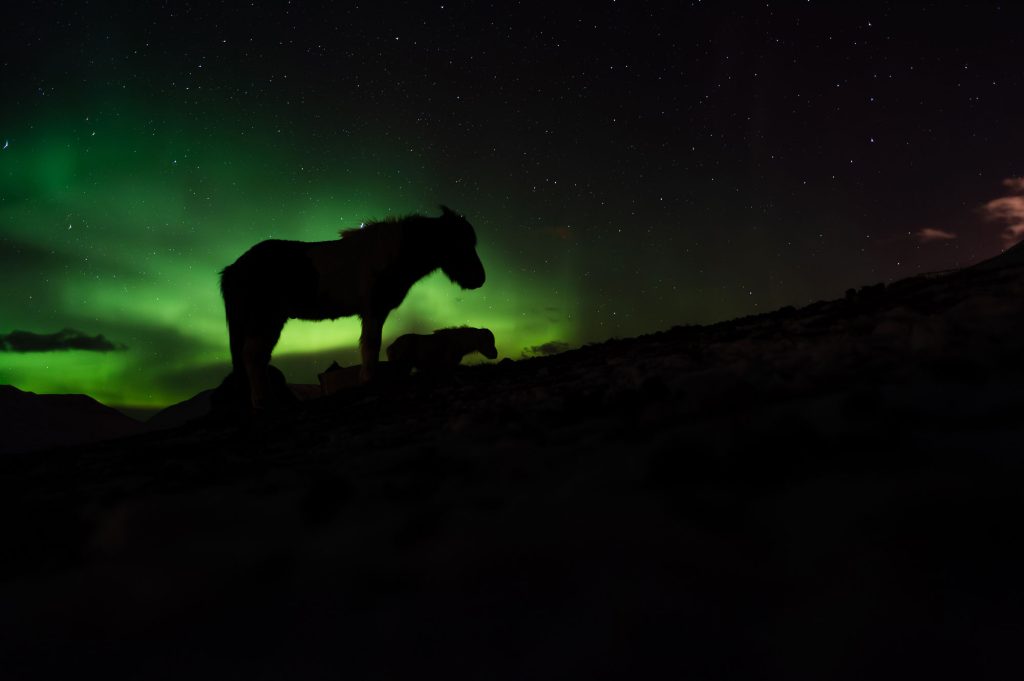
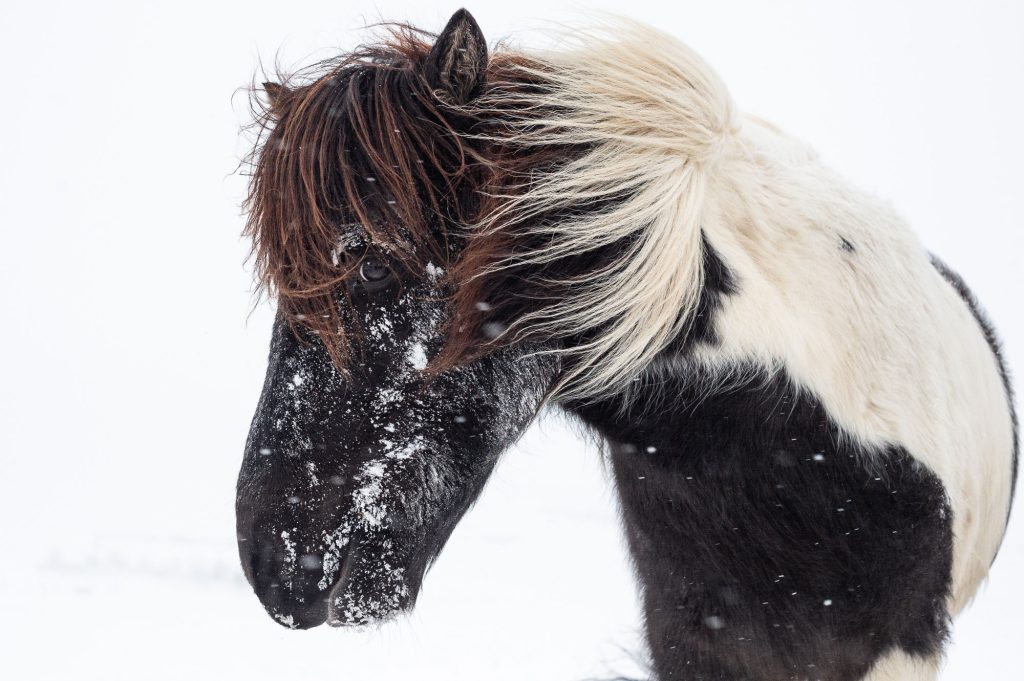
Following the Icelandic horses
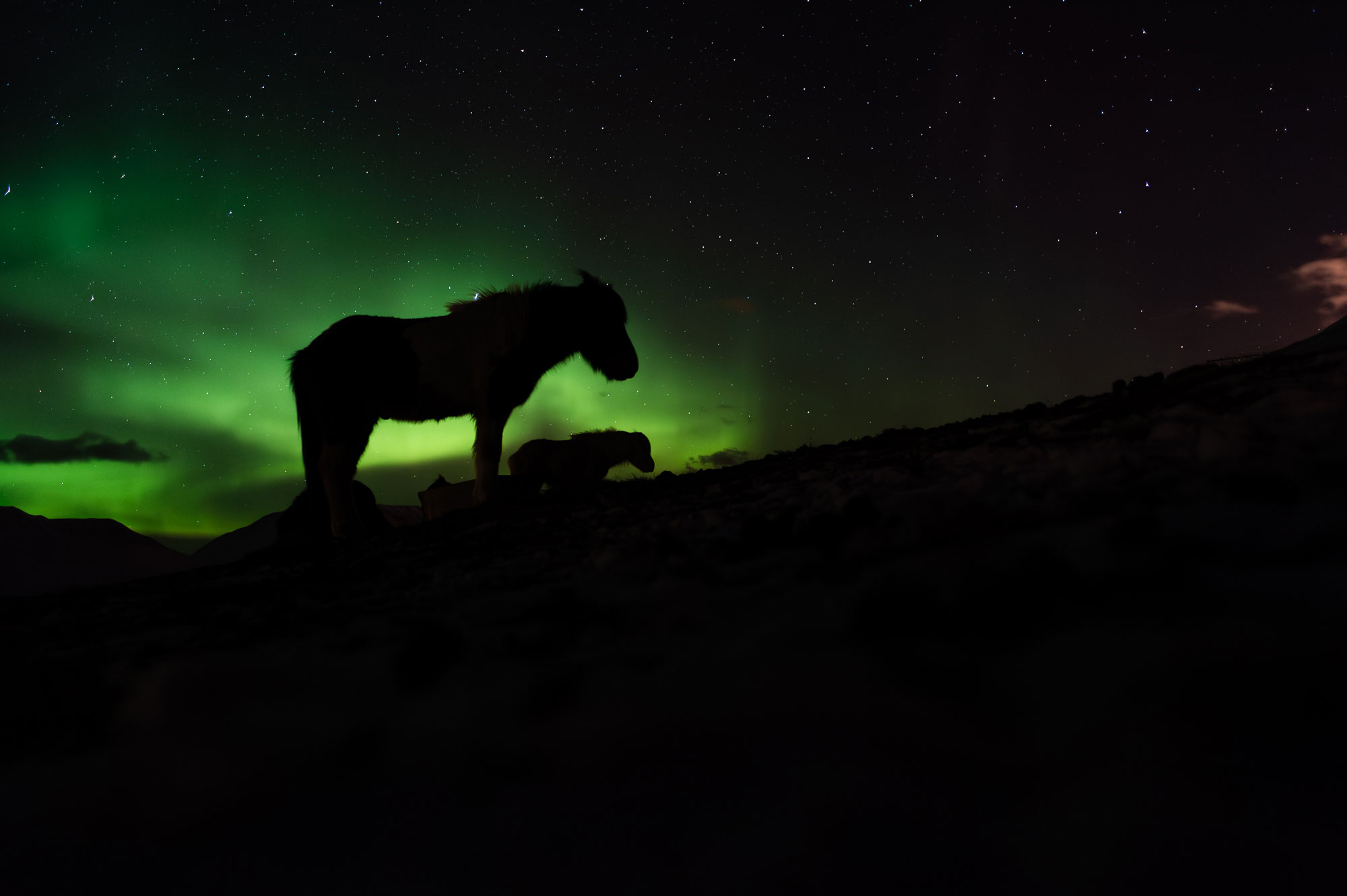
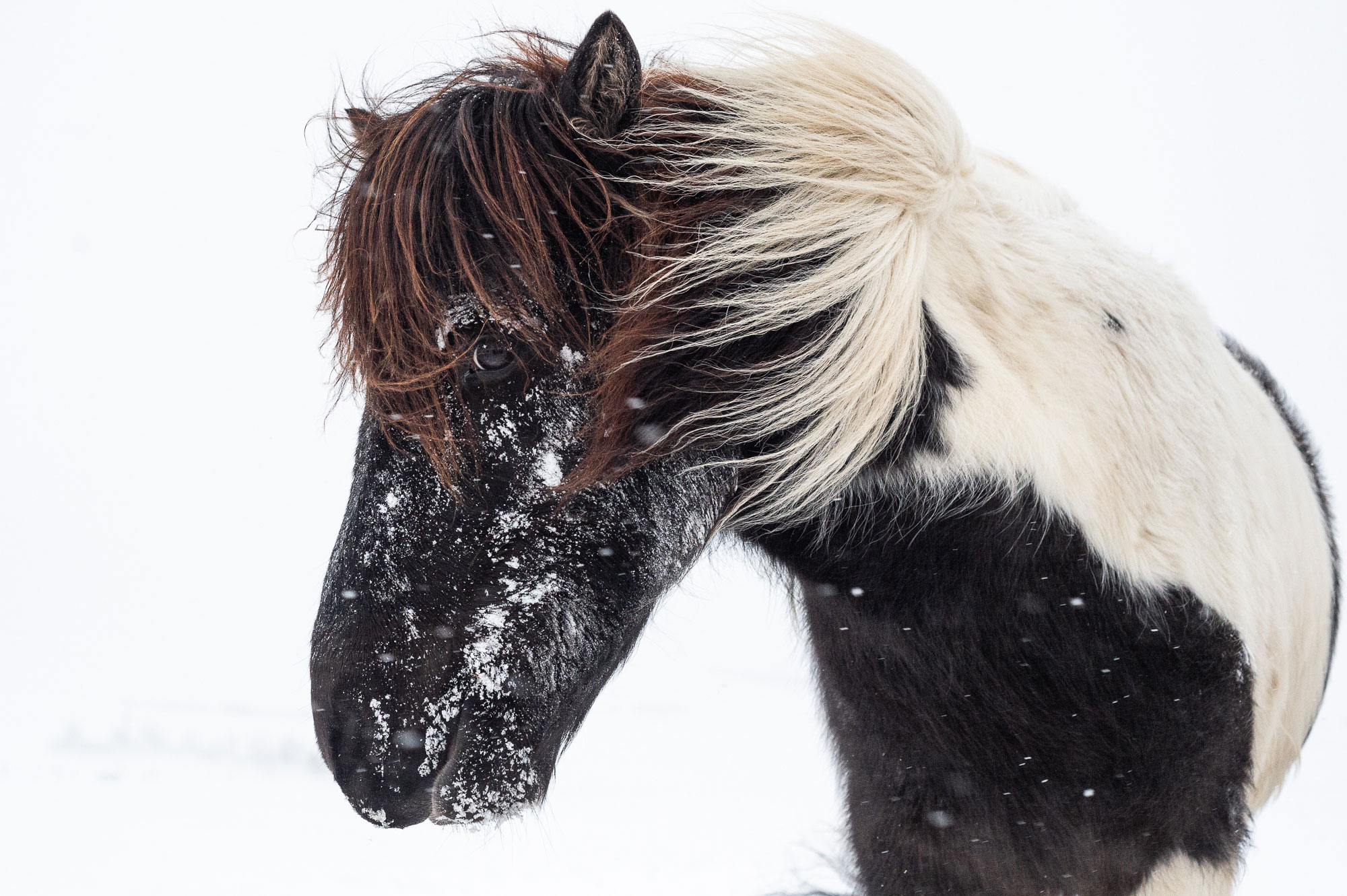
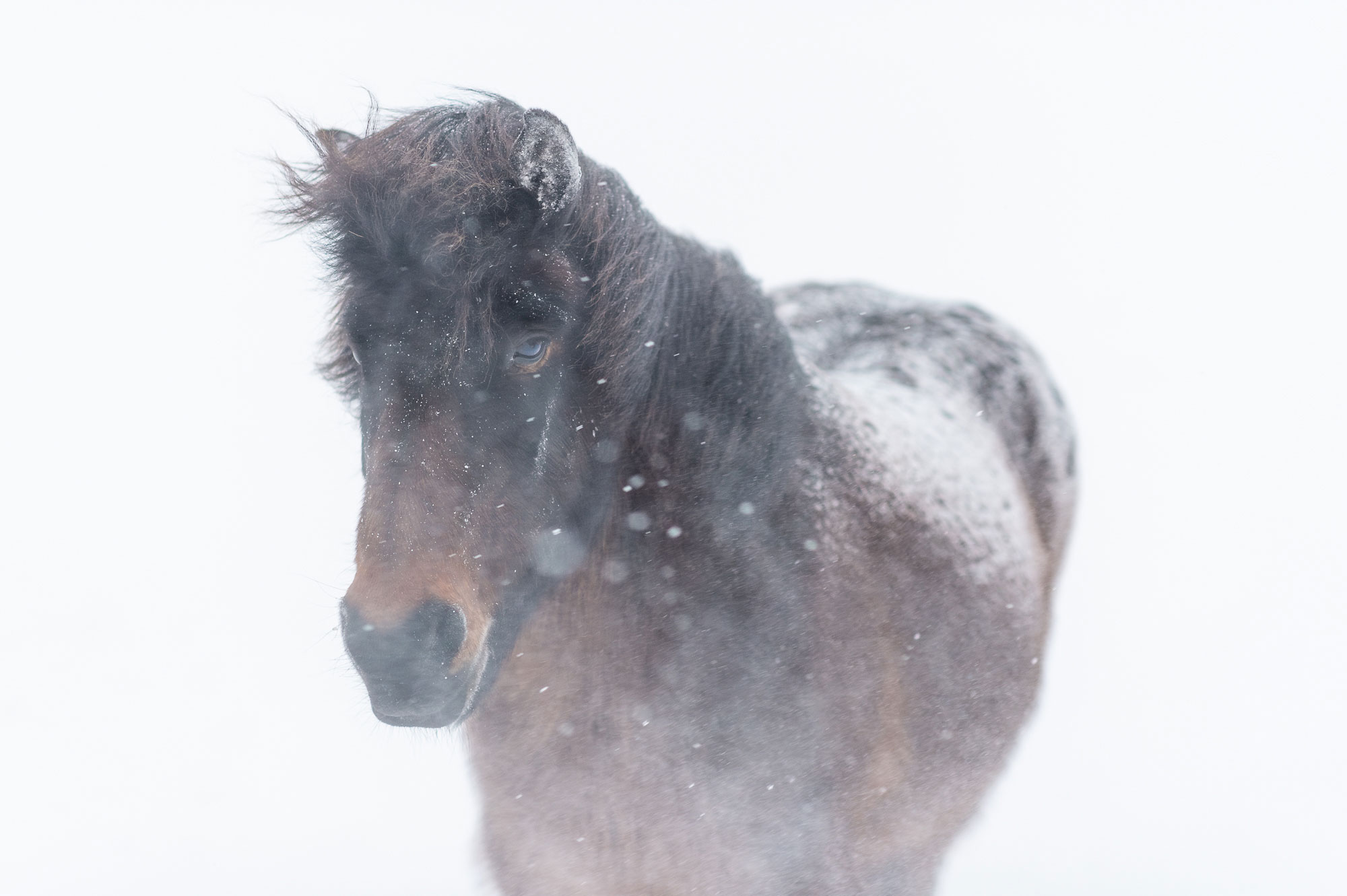
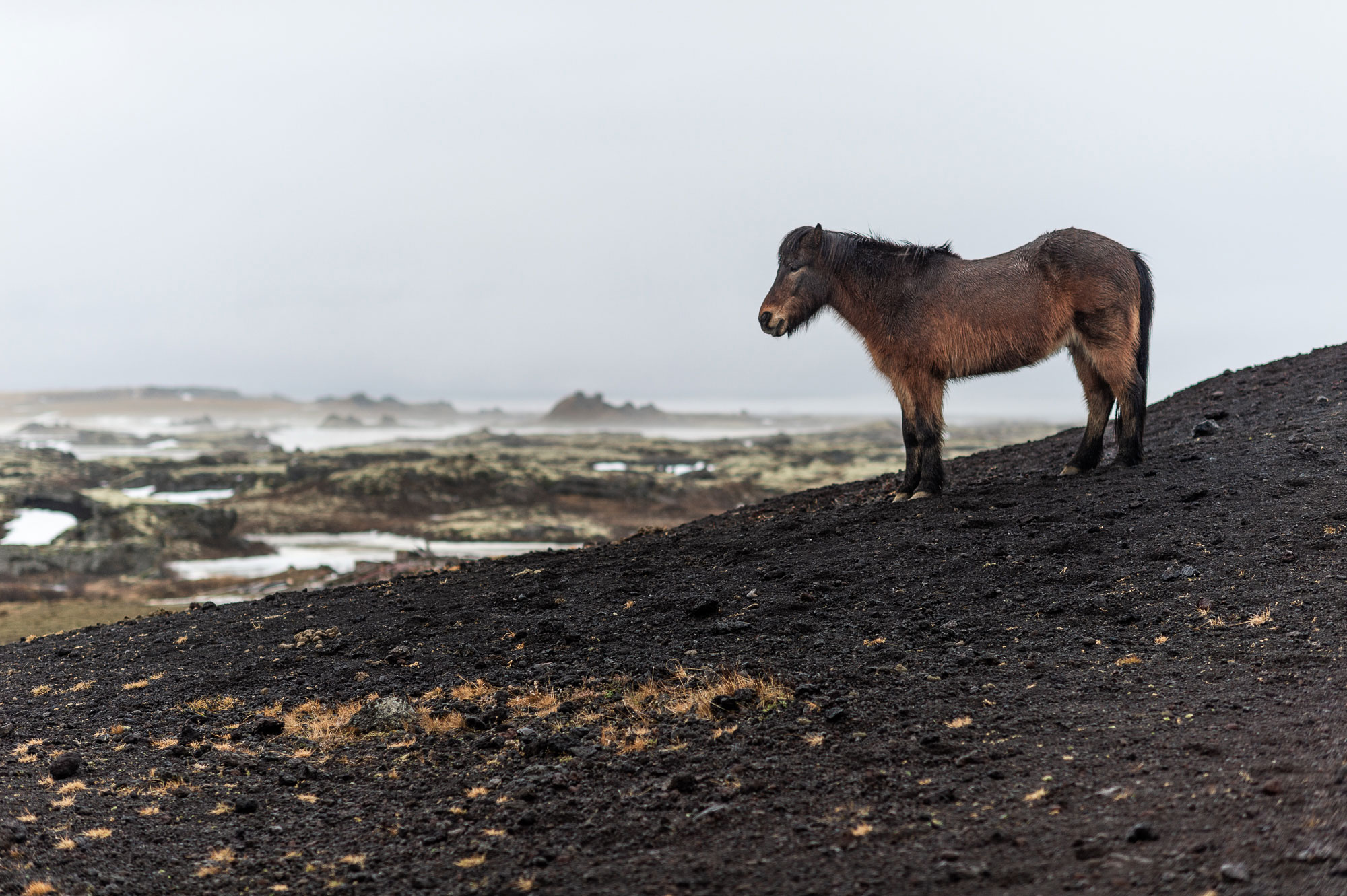
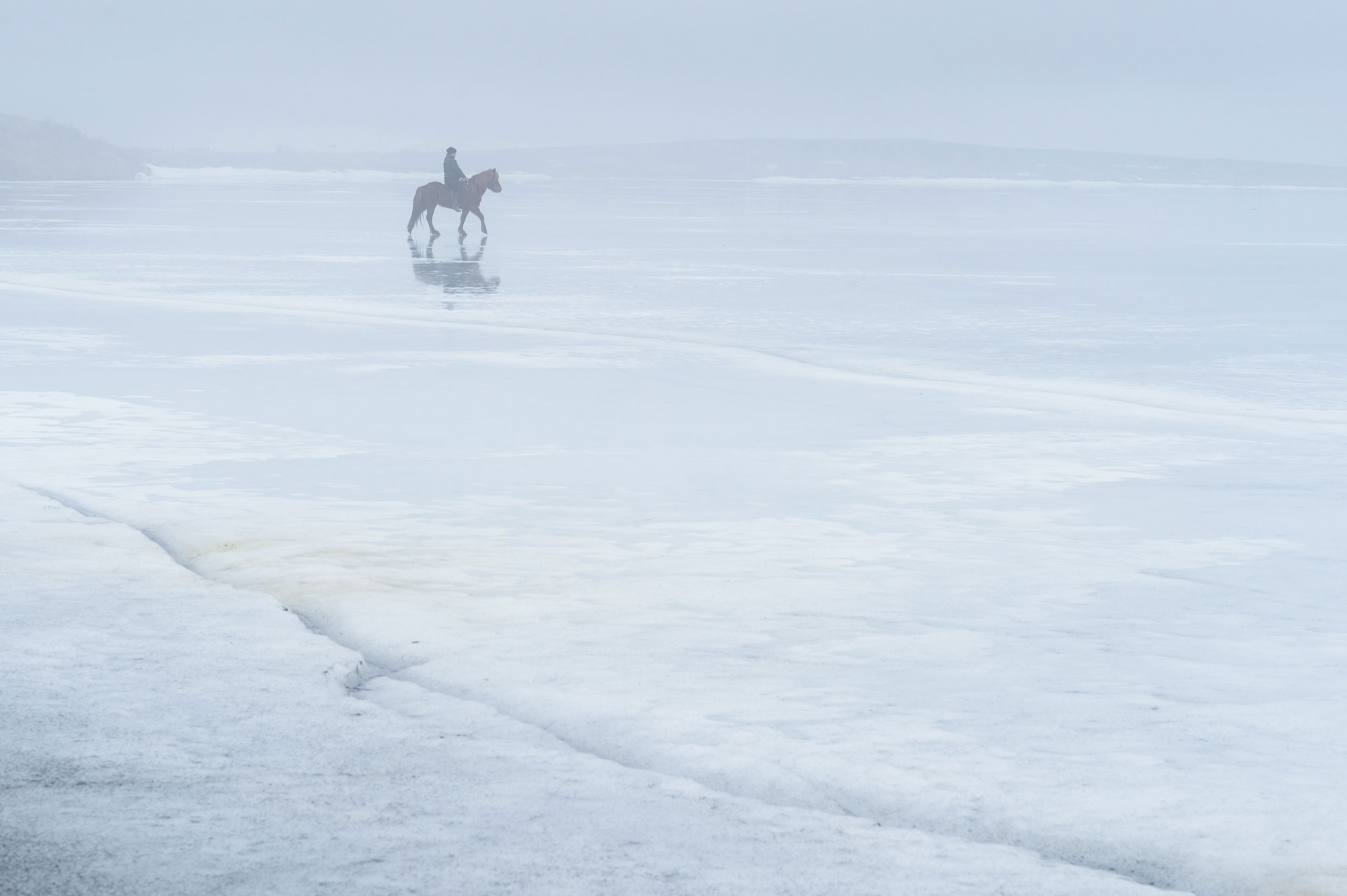
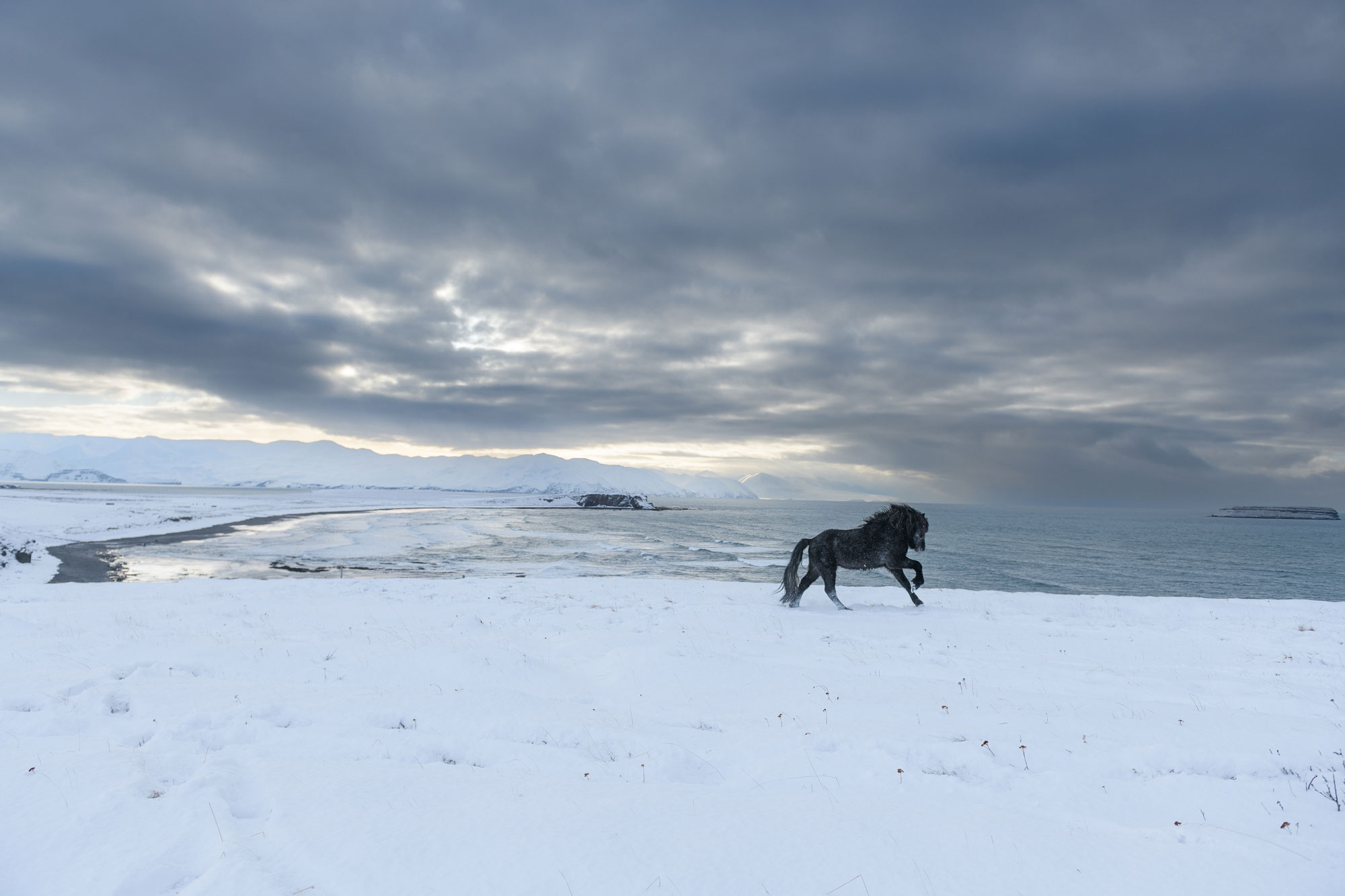
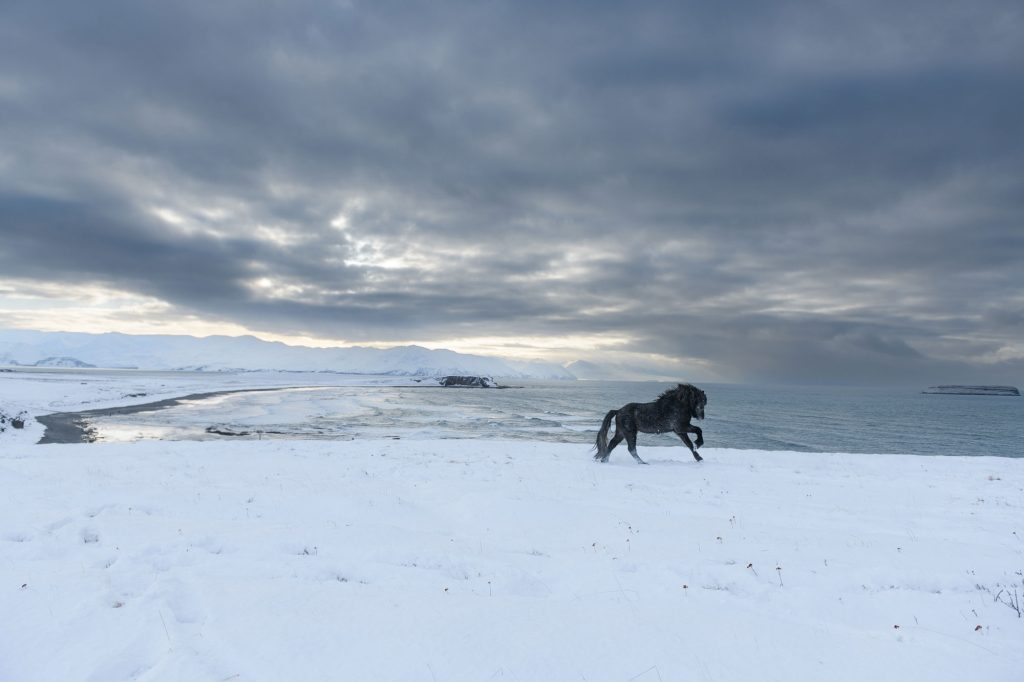
Eastern and northern Iceland are known for the large number of Icelandic horses living in the mountains and along the coast. These regions are ideal for photographing these timeless animals in mountainous landscapes. There is no guaranteed way to find them—the best option is to explore between mountains and valleys and try to spot them from afar before approaching. Otherwise, you may see them near farms along the roadside, though conditions are less ideal for photography.
Horses were introduced to Iceland during its settlement. Their ancestors were Norwegian fjord horses. Other breeds, such as the Connemara from Ireland, the Faroe Islands horse, and Shetland ponies, were also introduced and now form the genetic heritage of the Icelandic horse. Furthermore, since the year 982, horse imports have been banned in Iceland to protect them from diseases brought from the mainland and other North Atlantic islands. Since then, the horses on the island have adapted so well to the Icelandic climate that they have become a unique breed: the Icelandic horse!
At Wildlife Photo Travel, we are particularly fond of these animals. They are as rugged as they are poetic and have even been the subject of the photo book “Hestur” by Samy Berkani, one of our photography guides. If you love horses, we invite you to discover this beautiful book about Icelandic horses.
Private Icelandic horse photography tour
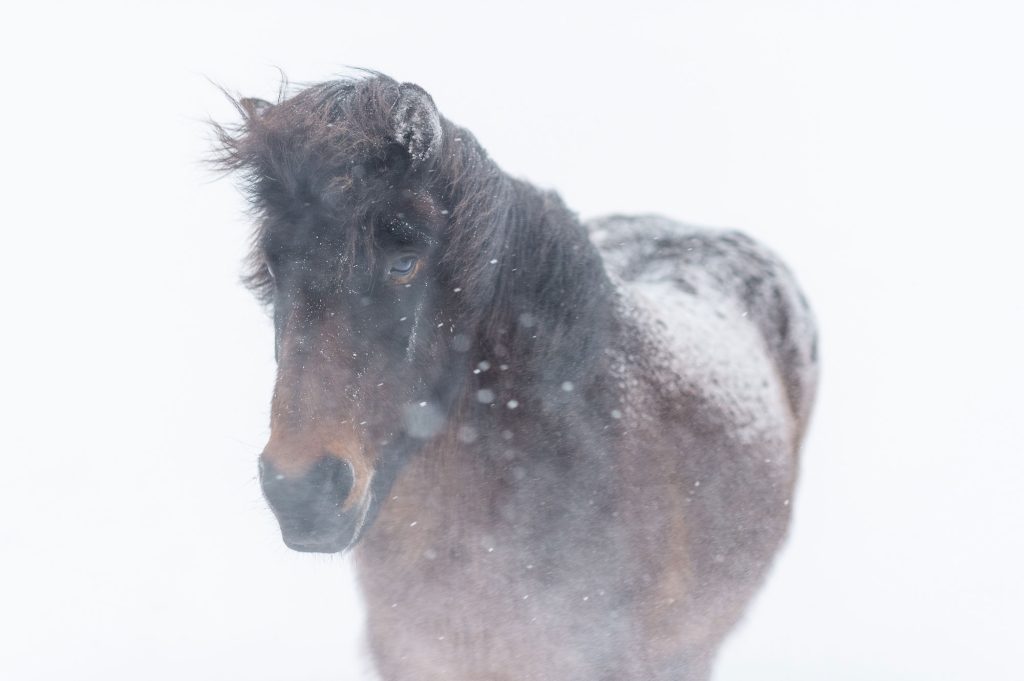
Icelandic horse in a snowstorm
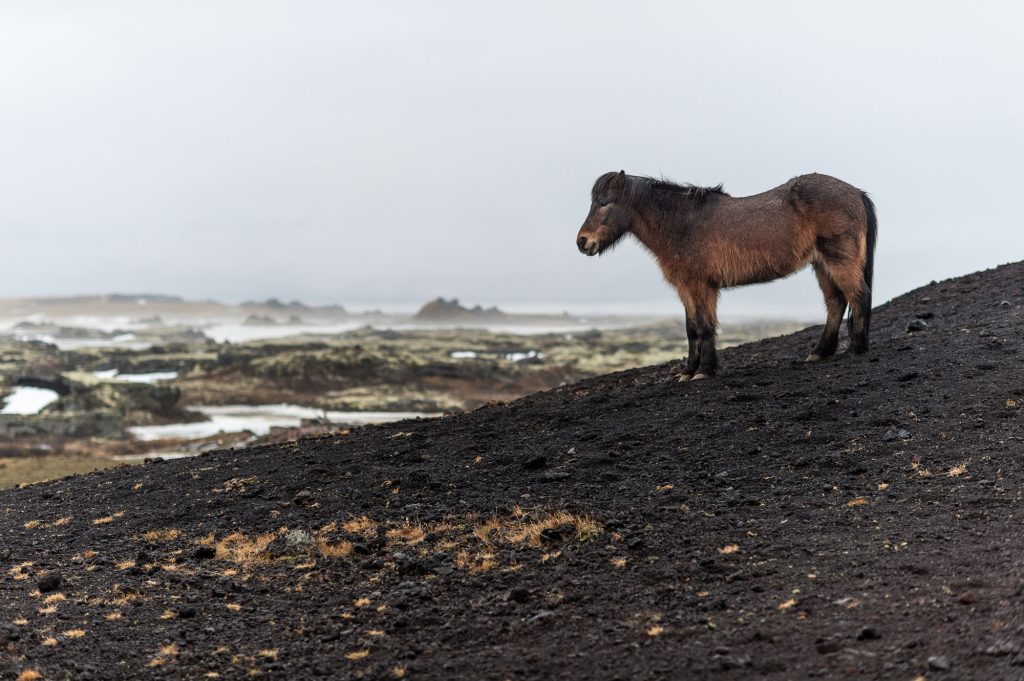
An Icelandic horse on a lava field
Ring Road Act 3 : The North of Iceland
Northern Iceland is easily accessible via the Iceland Ring Road tour. Its capital is Akureyri, the second-largest city in the country, nestled at the end of the Eyjafjörður fjord. This part of the island is enclosed and surrounded by mountains. As a result, it is the most sheltered region in Iceland. Winds are less violent, but temperatures are also colder. In winter, temperatures drop below -10°C more frequently than elsewhere.
Northern Iceland is the perfect region for those who love snowy and icy landscapes. It has a Norwegian feel with its steep mountains and deep fjords. However, in winter, be cautious when traveling between Egilsstaðir and Akureyri. The mountains and plateaus you must cross can be particularly dangerous, with frequent storms, heavy snowfall, and roads that are often closed or difficult to drive.
Hverir and Namafjall: the gateway to hell
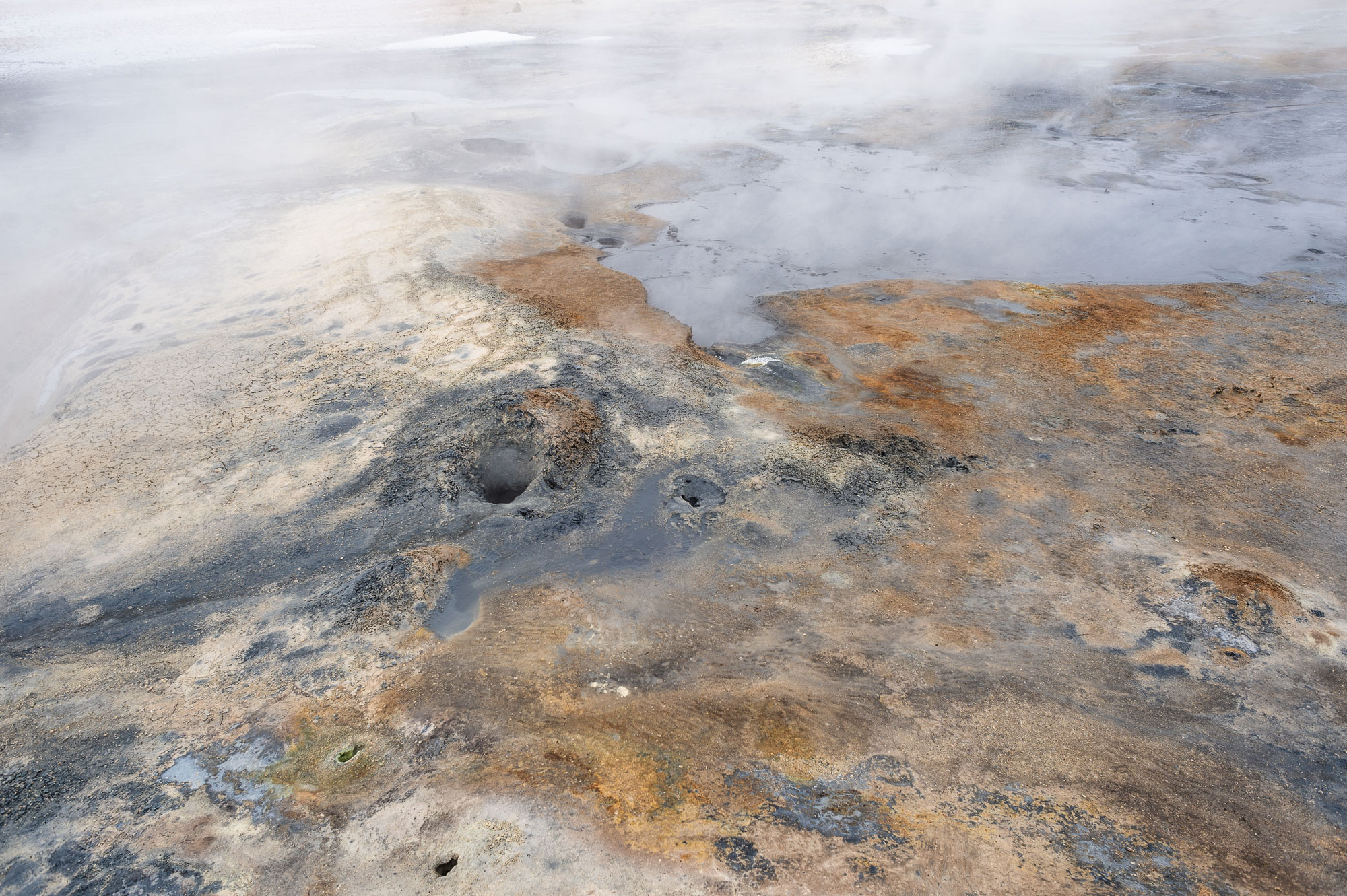
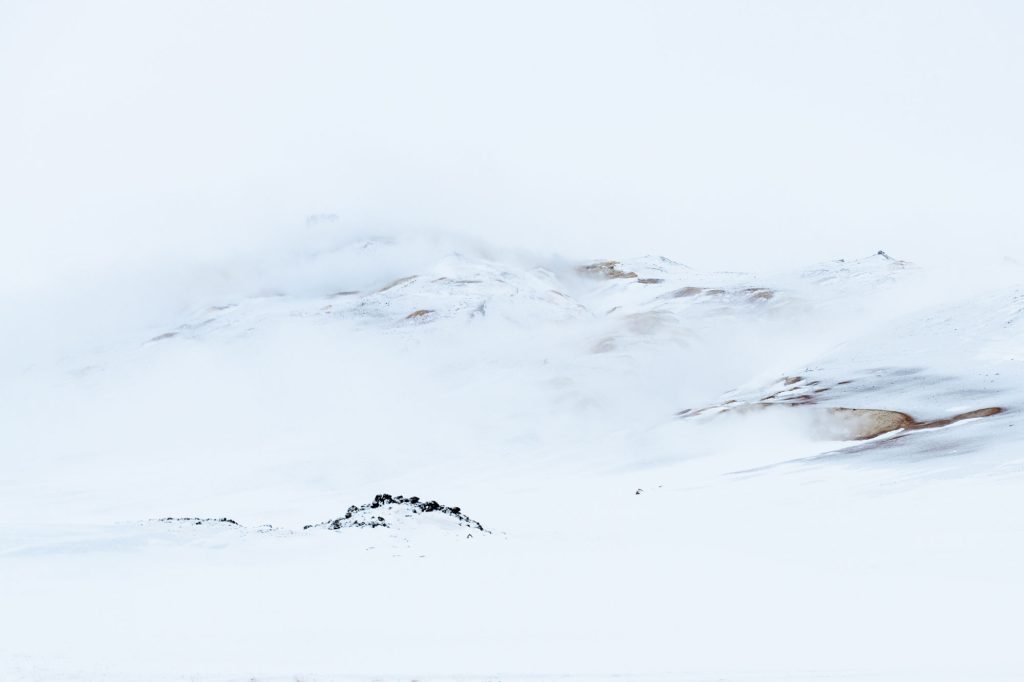
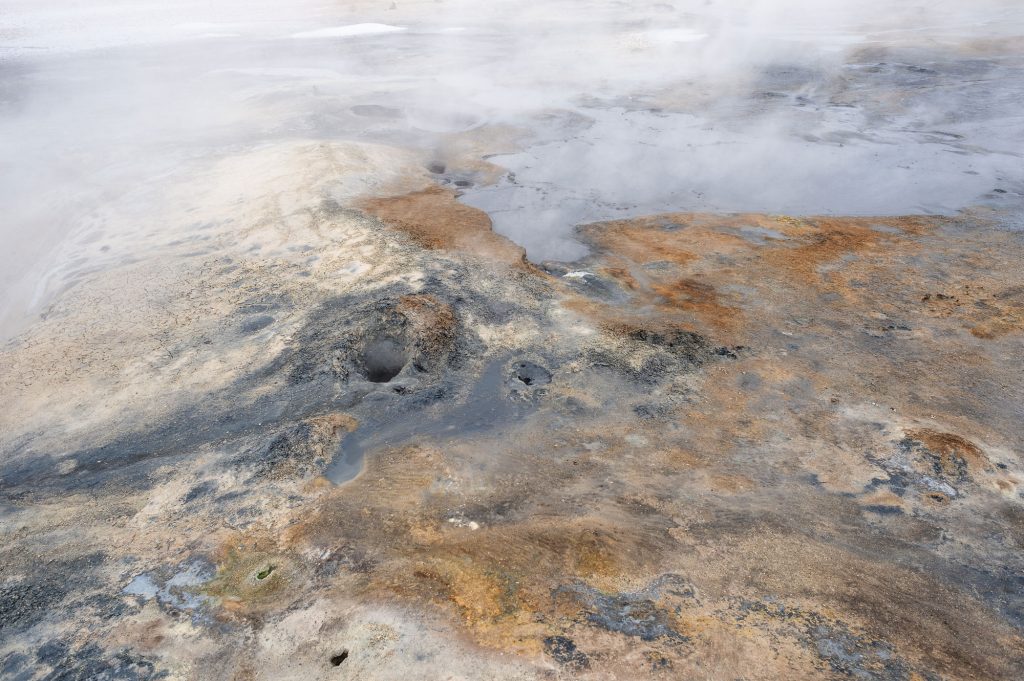
At the foot of Námafjall, the earth roars! The ground at Hverir is soft, boiling, and trembling. From time to time, it exhales toxic steam. The ground seems to whisper stories from deep within the earth.
At Hverir, no color feels natural. Bright yellow sulfur blends with rusty reds, deep ochres, and ashen grays. Walking through the site feels like stepping onto a canvas painted by the gods themselves! This grand landscape is made for photographers. You can wander freely and let your imagination and creativity run wild. It is the ideal place to photograph volcanic craters, whether realistically or abstractly. The Iceland ring road tour passes through this site, making it easily accessible—yet another dream opportunity for landscape photography in Iceland.
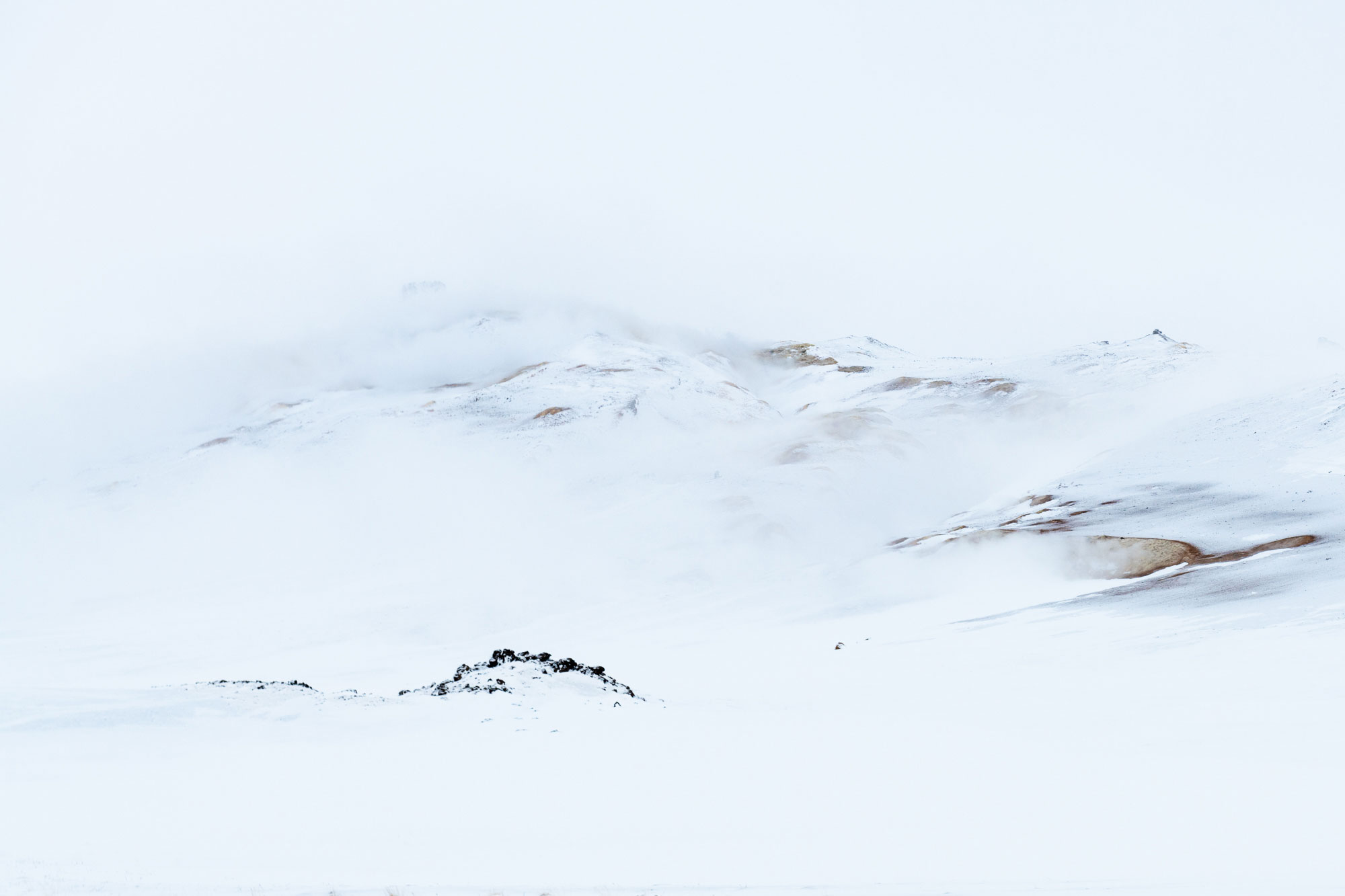
Namafjall covered in fresh snow
Hverir geothermal site
The Dimmuborgir lava field and the surroundings of Lake Mývatn
One of the most impressive areas in northern Iceland is Lake Mývatn, with its 37 km². Route 1 of the Iceland Ring Road tour runs along the lake, but we recommend driving all the way around it. Be cautious in winter, as snow depth can be significant!
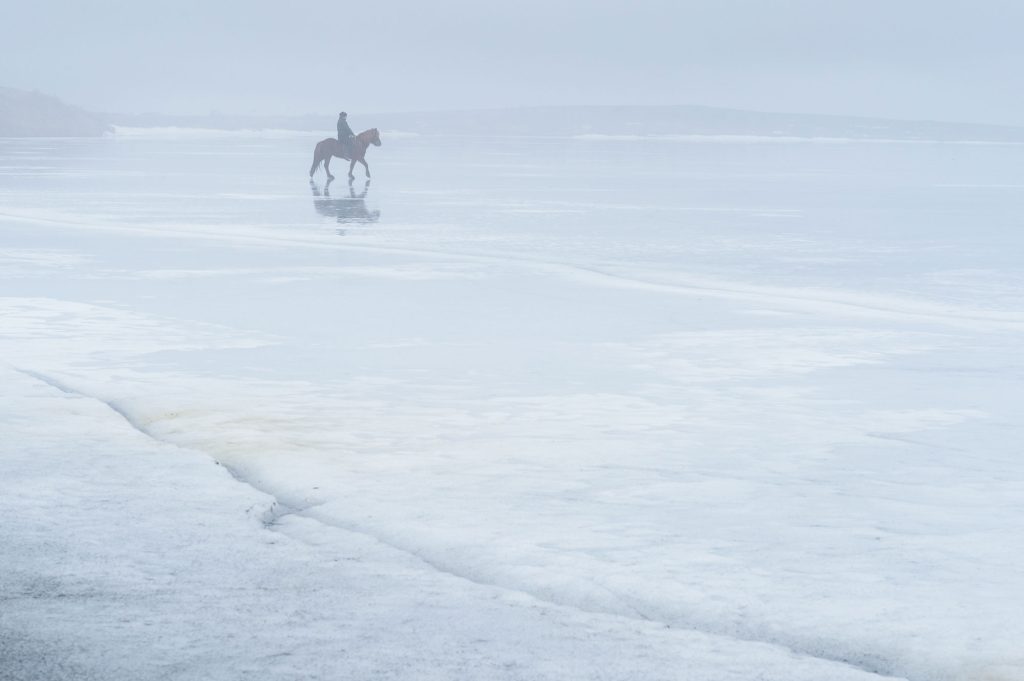
In summer, Lake Mývatn is an incredible biodiversity reserve, especially for many species of ducks. It is a small paradise for wildlife photographers. However, there is a price to pay—flies that constantly bother you! Indeed, Mývatn means “the lake of flies” in Icelandic. If you are doing the Iceland ring road tour for landscape photography, winter is more suitable—especially if you enjoy minimalism and clean compositions.
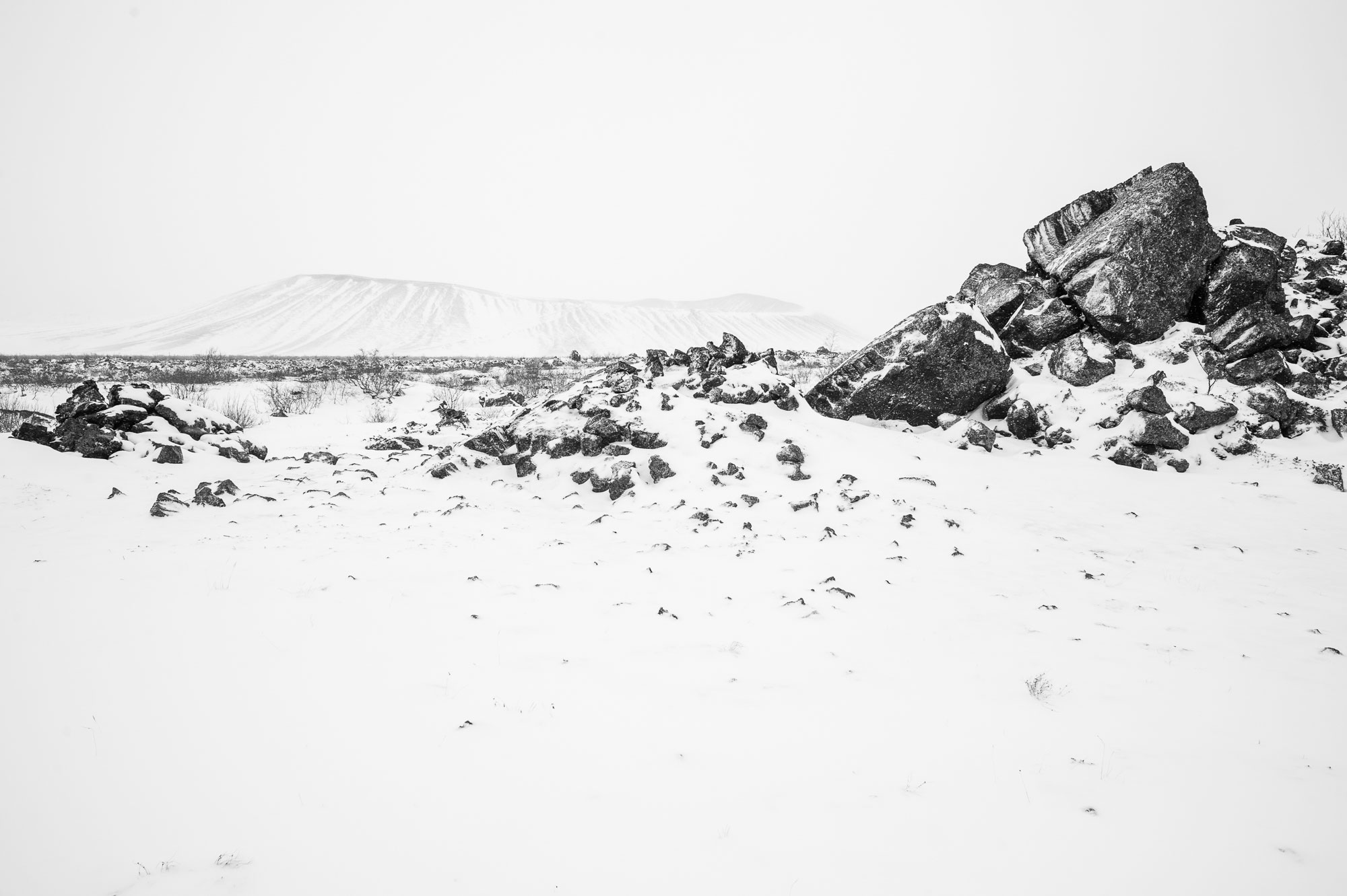
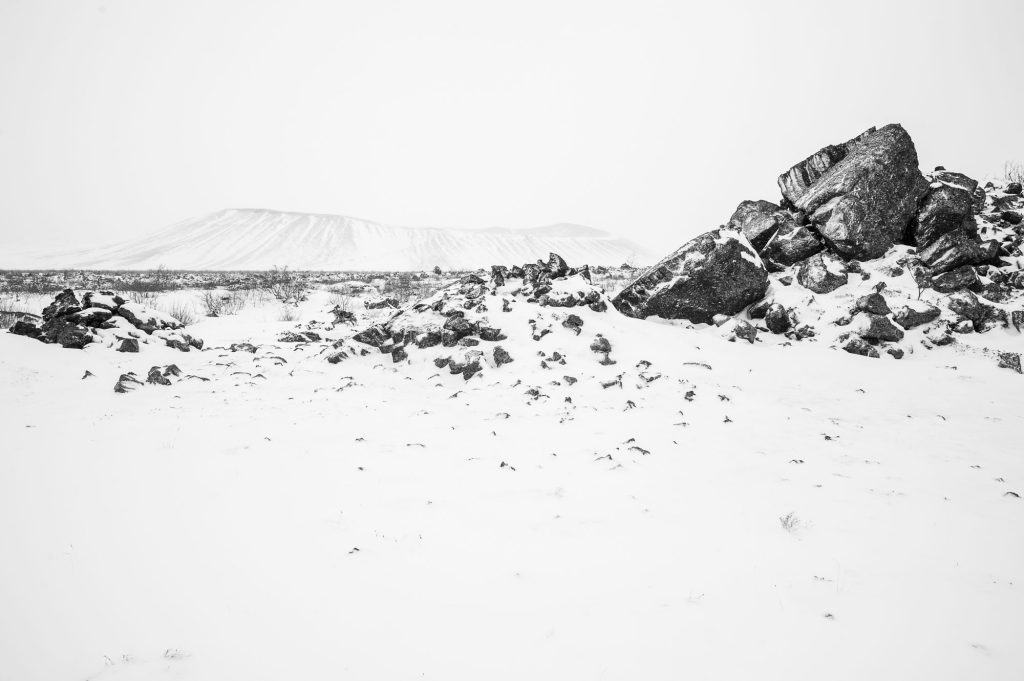
Driving around Lake Mývatn offers many opportunities for landscape photography. The black basalt provides striking contrasts. In some places, you can use the Hverfjall crater as a backdrop. But what we especially recommend is visiting the Dimmuborgir lava field. Formed only 2,300 years ago, this site is full of mystery and mythology, with strange volcanic formations. In winter, you can create black-and-white style images while shooting in color!
Finally, if you visit Dimmuborgir, don’t miss Kirkjan (“church” in Icelandic). This unique volcanic formation shows how much humans have drawn inspiration from nature to build their homes and places of worship.
An Icelandic horse on the frozen Lake Mývatn
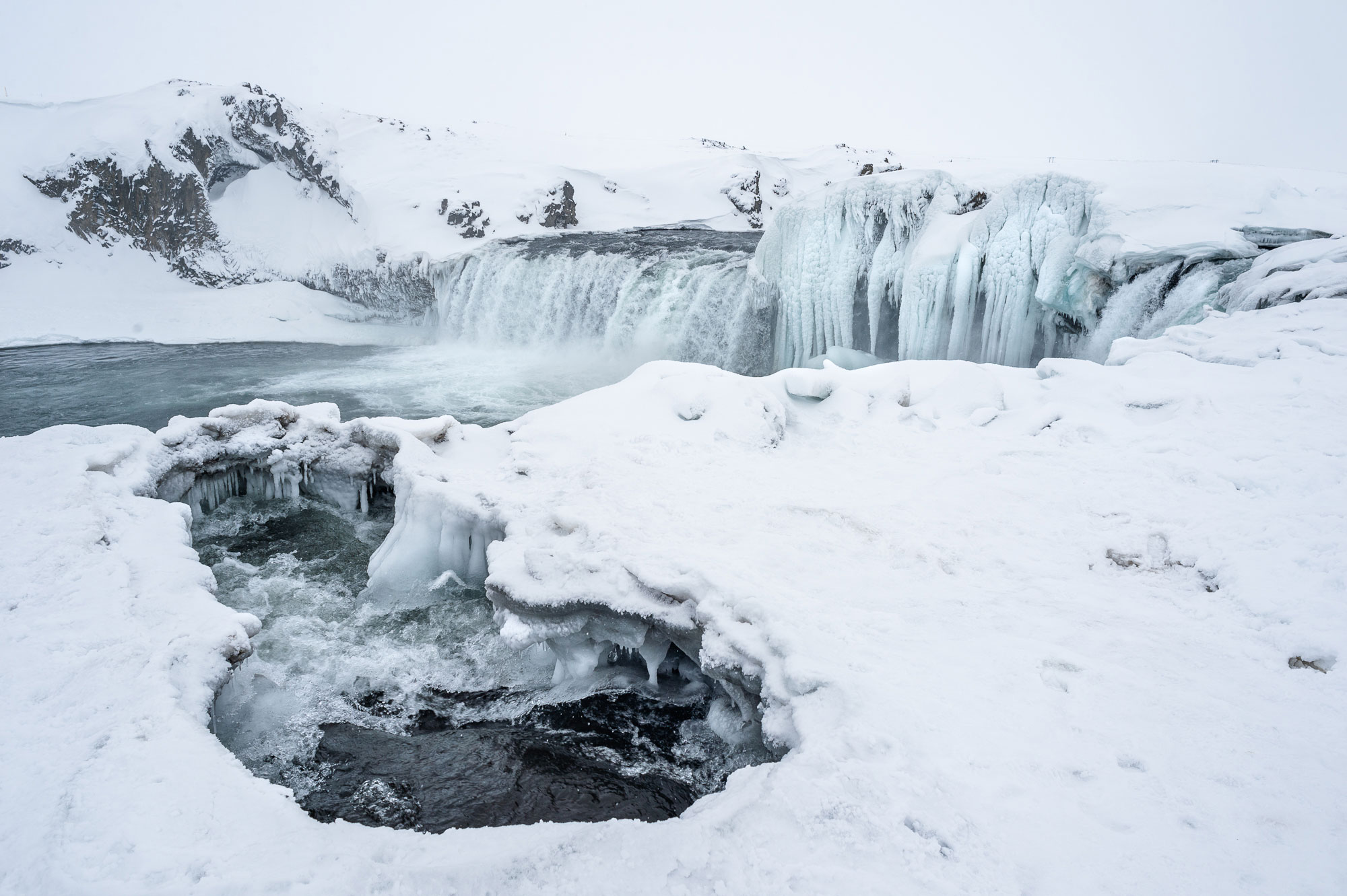
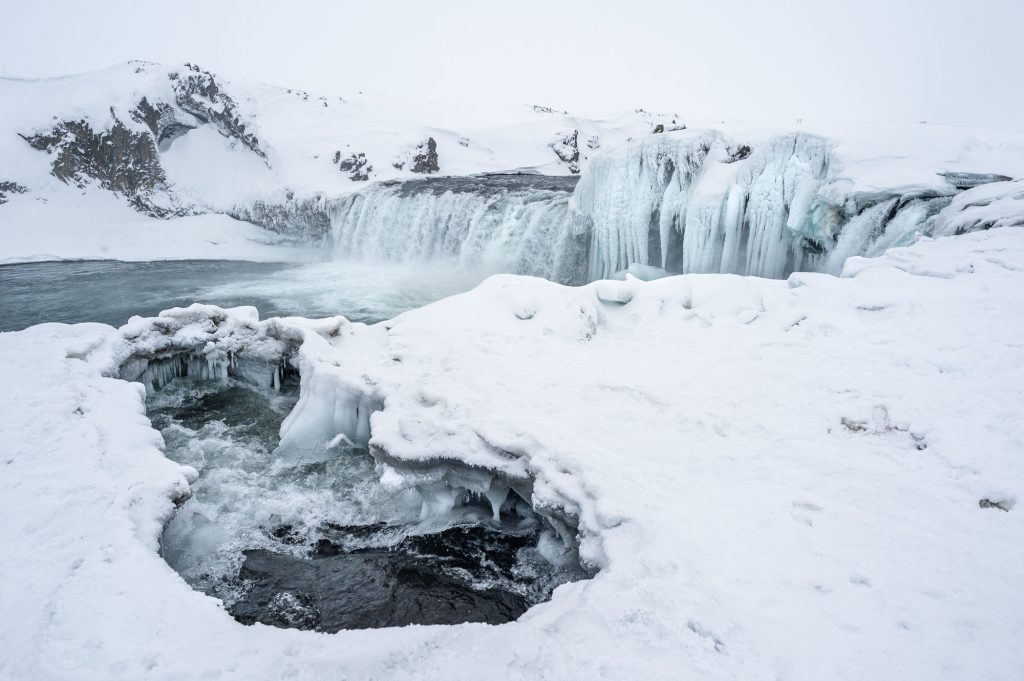
The stunning Goðafoss waterfall on the Iceland ring road tour
Goðafoss is one of our favorite waterfalls in Iceland, both for its beauty and its history. At 12 meters high and 30 meters wide, it is not the most impressive waterfall in Iceland. However, Goðafoss has a unique half-circular shape that gives it the appearance of a Roman theater or arena.
The waterfall is best known for its history. Around the year 1000, pagan idols were symbolically thrown into its waters to mark the Christianization of Iceland. Since then, it has been called Goðafoss, meaning “Waterfall of the Gods” in Icelandic.
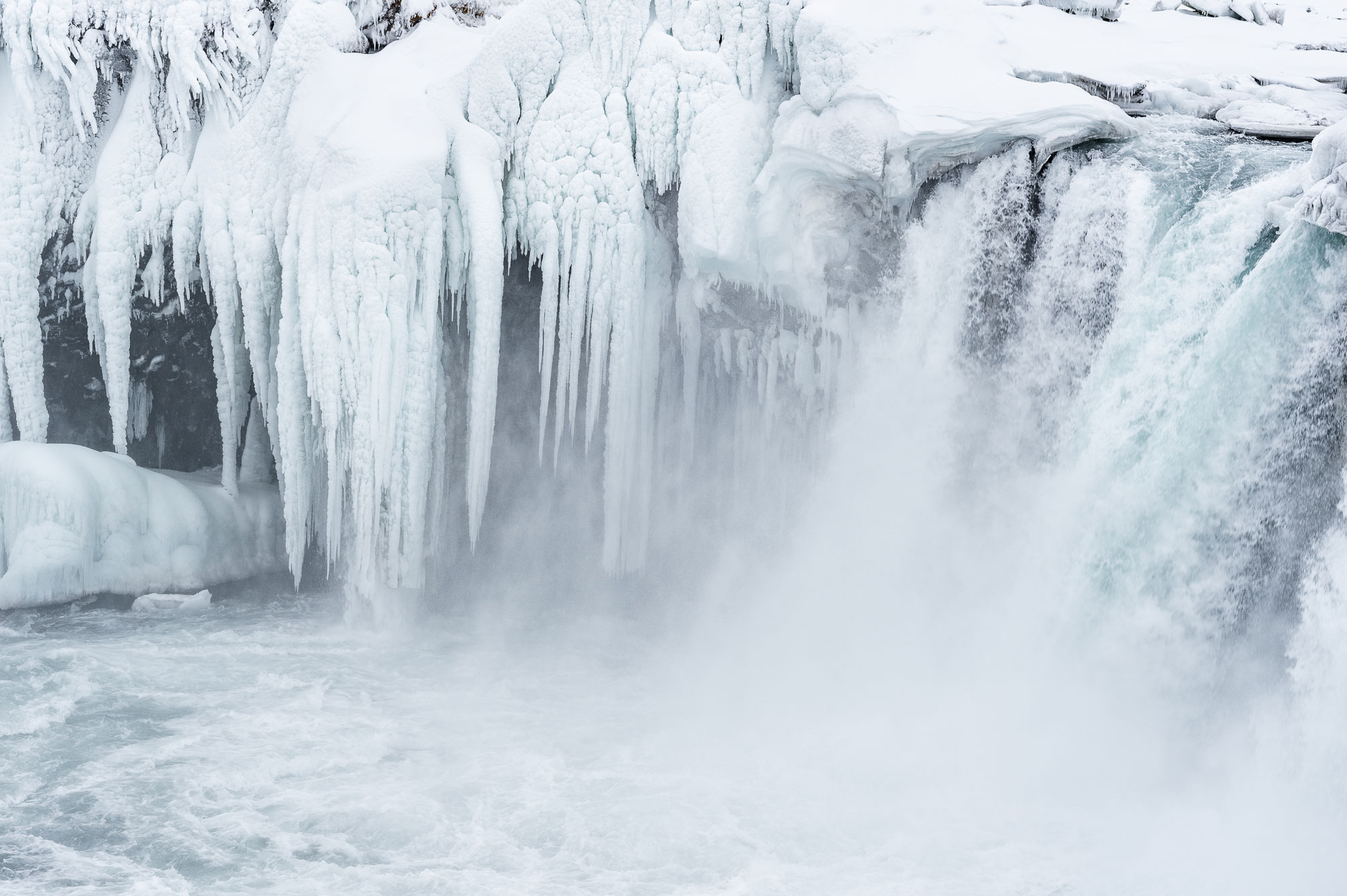
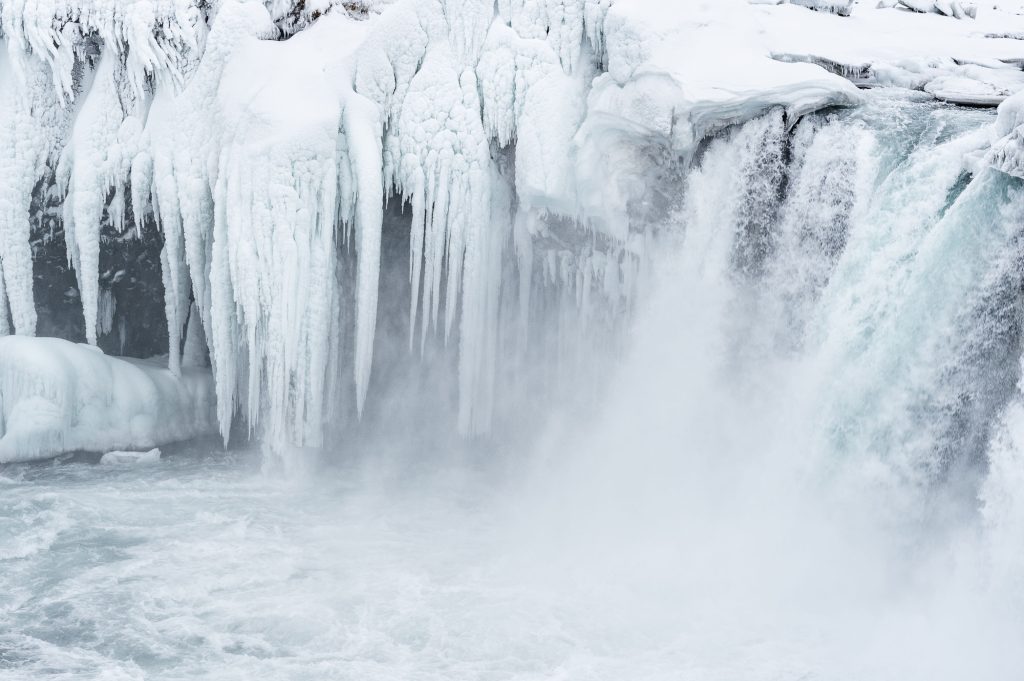
Unlike other waterfalls in Iceland, Goðafoss offers many angles and perspectives thanks to its shape. From wide-angle shots to close-ups, it is a fantastic playground for landscape photographers. In winter, part of the waterfall freezes completely while another part, protected from the wind, continues to flow. This creates a striking contrast between ice and water, stillness and movement. You simply cannot miss this waterfall during an Iceland ring road tour!
Goðafoss Waterfall
Details of Goðafoss Waterfall
Húsavík, the most authentic fishing port in Iceland
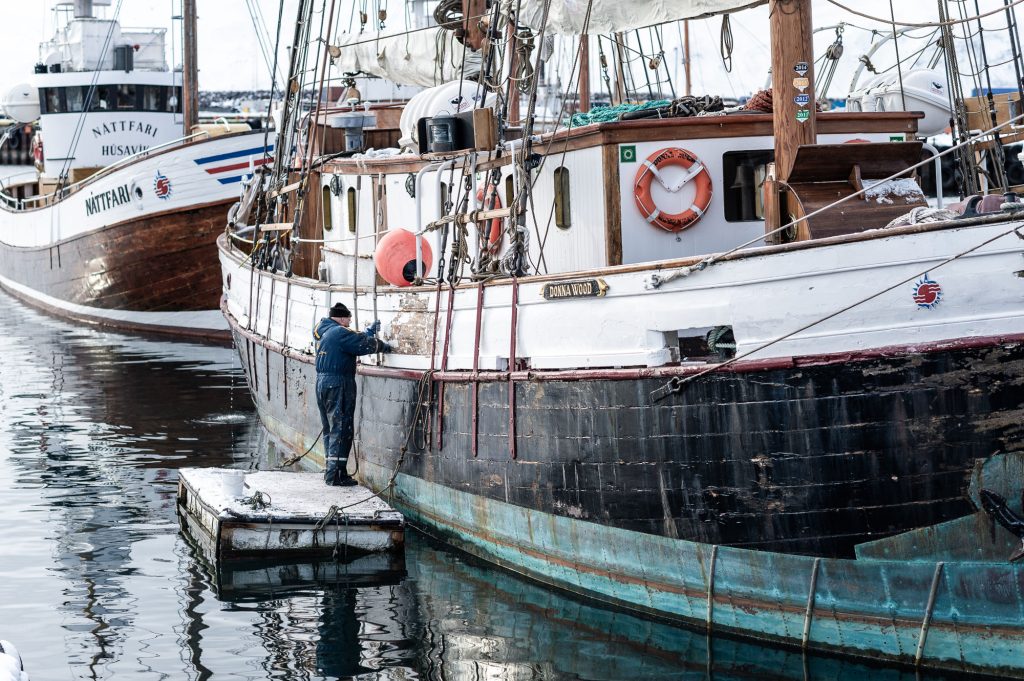
The port of Húsavík is one of the most authentic in Iceland. It is where the Swede Garðar Svavarson, the first Scandinavian to stay in Iceland, spent the winter. He was also the first to name the island—Garðarshólmur—before the famous Flóki of the ravens (Hrafna-Flóki) gave it its final name, Ísland.
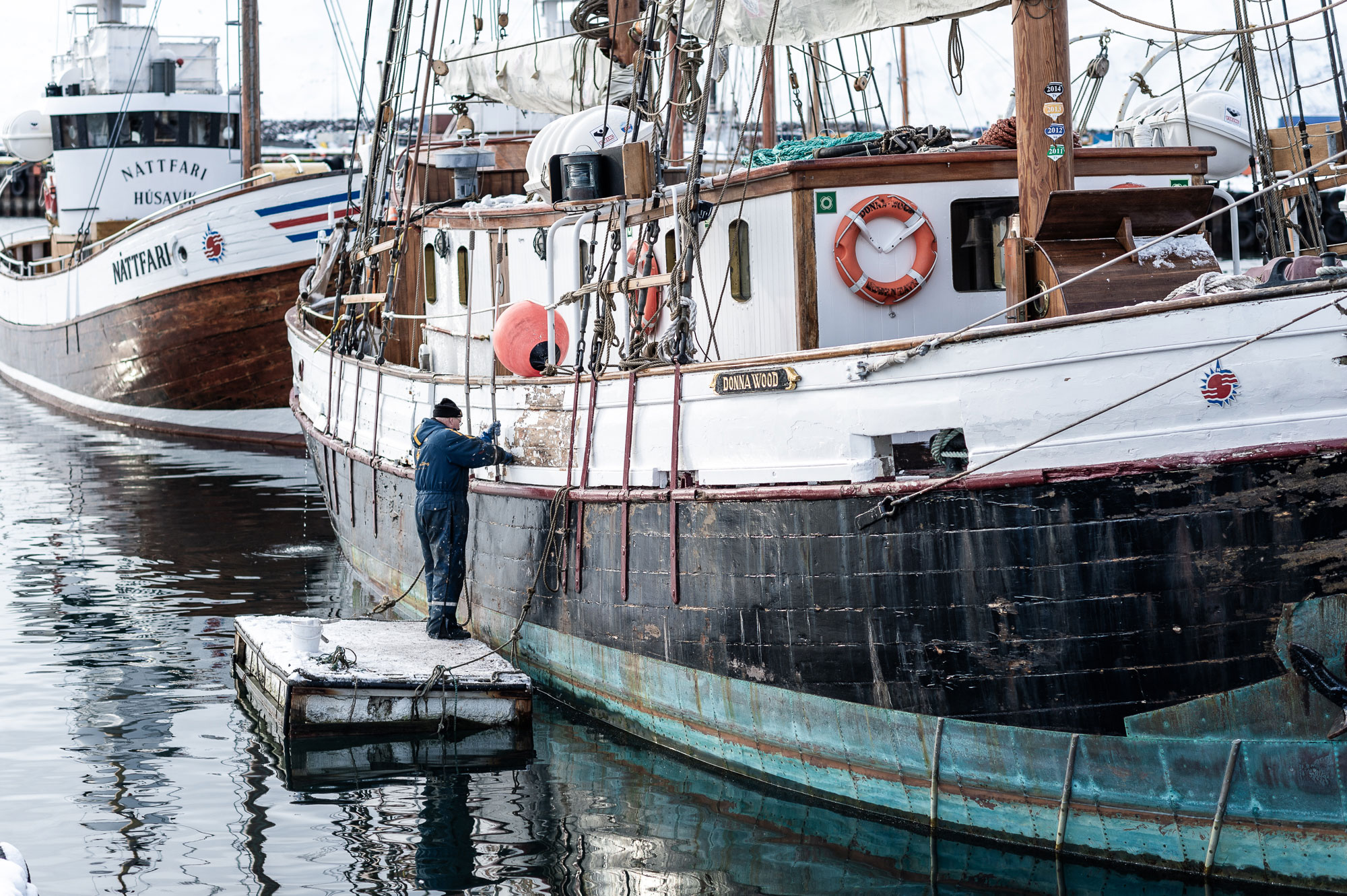
What interests us here is the port of Húsavík itself. The many sailboats, the colorful village, and the mountains in the background make it a fascinating place for both landscape and street photography. We also recommend visiting the highly informative Húsavík Whale Museum.
Early in the morning, the first rays of sunlight touch the mountains to the west of the bay, while the harbor remains in cool light. This contrast lasts only a few minutes, but it is a great opportunity for landscape photographers.
At noon, sailors gather for lunch at the harbor restaurant Gamli Baukur—an ideal moment for portrait photographers (and beer lovers!).
Finally, the region offers plenty of opportunities for wildlife photography. Almost all Icelandic fauna can be found here, including seabirds nesting in large numbers on the cliffs east of Húsavík.
The harbour at Húsavík
Húsavík Bay
Ring road – Final Act: The Westfjords
Iceland’s wilderness is perfectly embodied by the Westfjords. At Wildlife Photo Travel, this is our favorite playground. The region is isolated from the rest of the country and mainly composed of fjords.
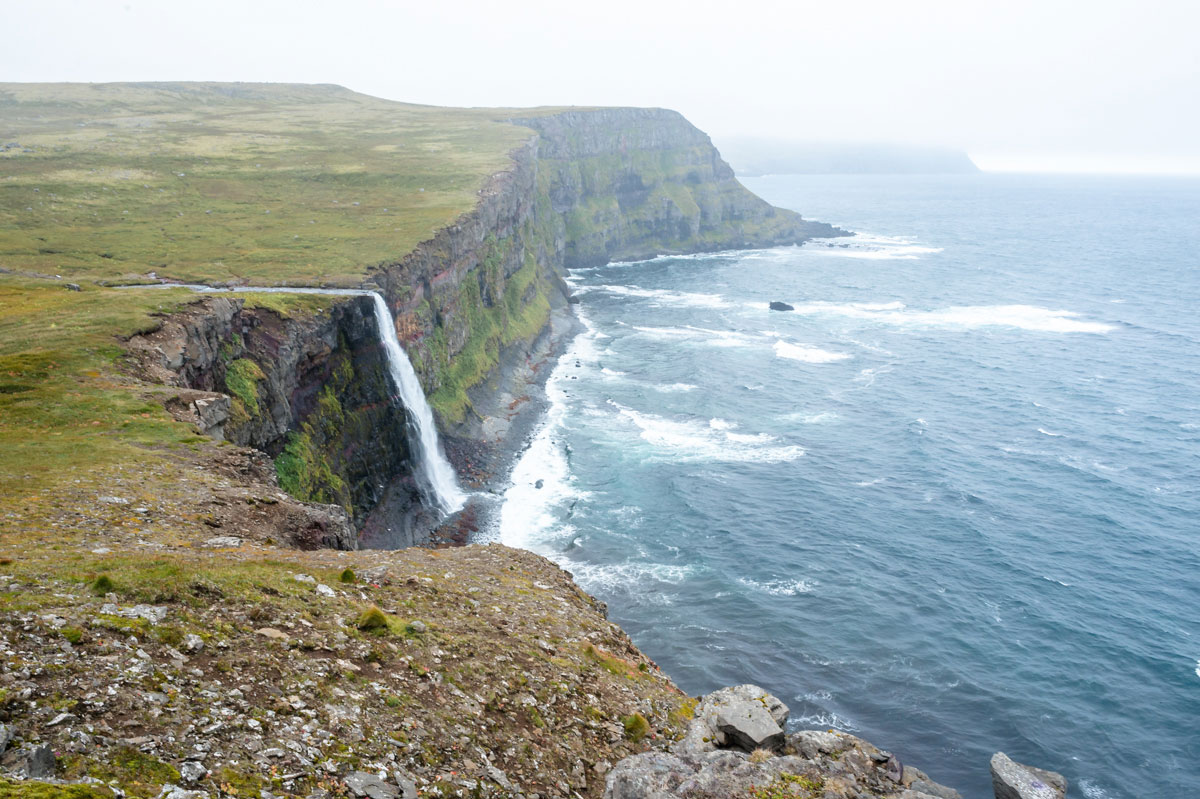
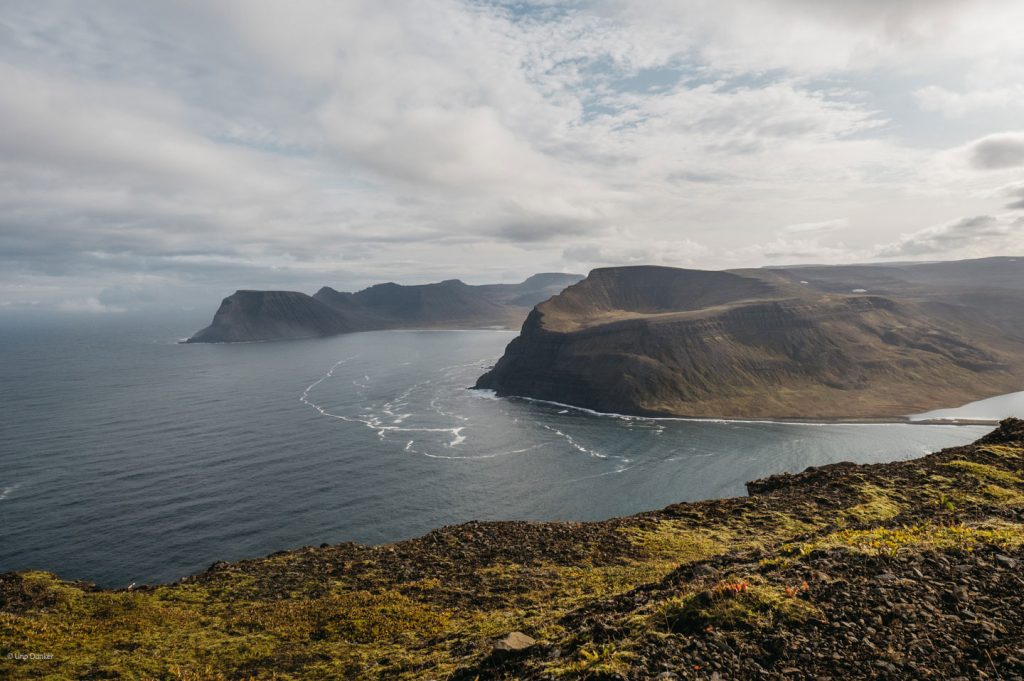
The landscapes of the Westfjords are diverse: mountains, plateaus, wetlands, small bucolic waterfalls, steep cliffs, dominant glaciers, and abandoned territories. We recommend this region for landscape photographers who want to move away from clichés and discover their own hidden paradise.
However, the Westfjords must be earned. During a 12-day Iceland ring road tour, you must leave Route 1 to reach them. If coming from the north, Route 68 leads to Hólmavík, the gateway to the Westfjords. From there, you cross a remote plateau before reaching the fjords toward Ísafjörður. In winter, this route is uncertain, especially on the plateau. Unpredictable weather can prevent you from crossing—or even block your return.
In short, the Westfjords are a magnificent region but require preparation in winter. In summer, however, roads remain open, and Icelandic wildlife awaits you freely.
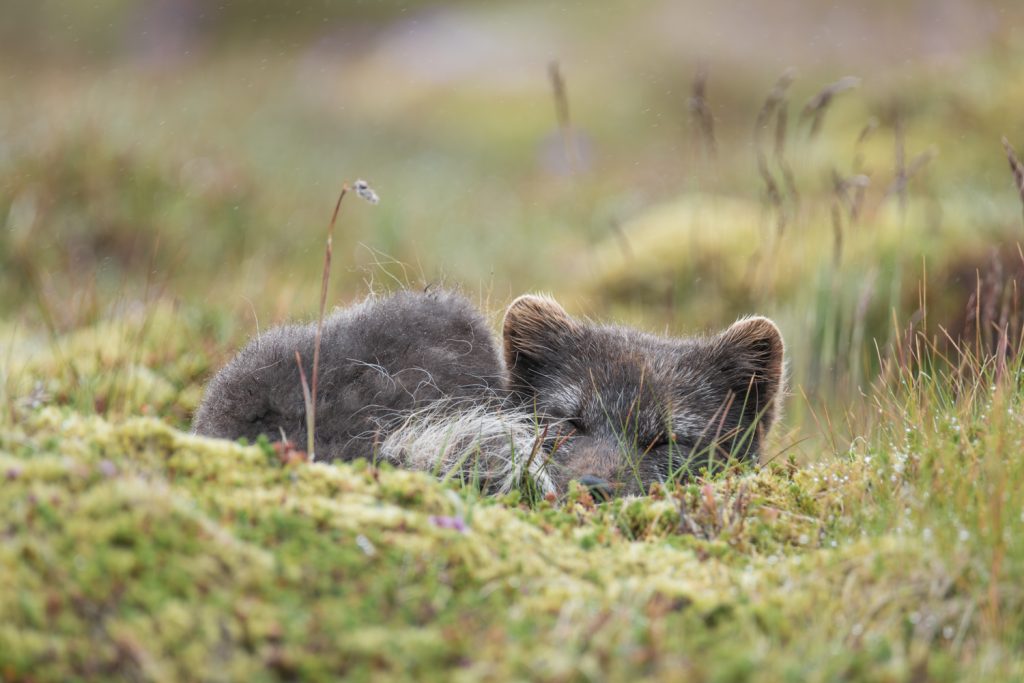
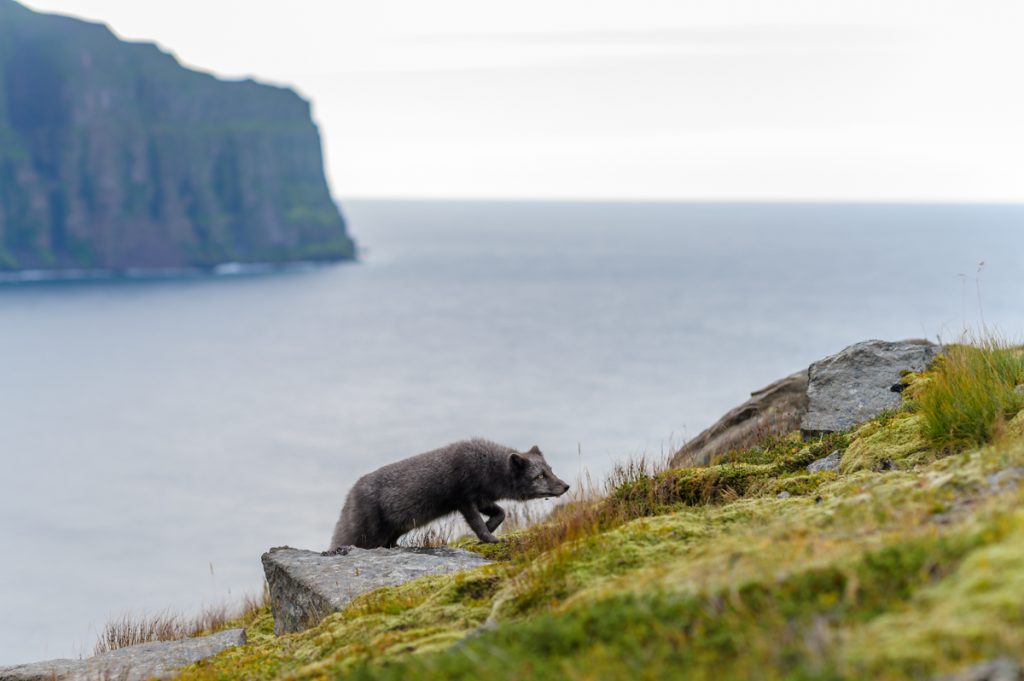
Arctic foxes of the Westfjords
As you know, our photography guides specialize in the Icelandic Arctic fox. We have followed this species year-round for many years and are still amazed by its adaptability.
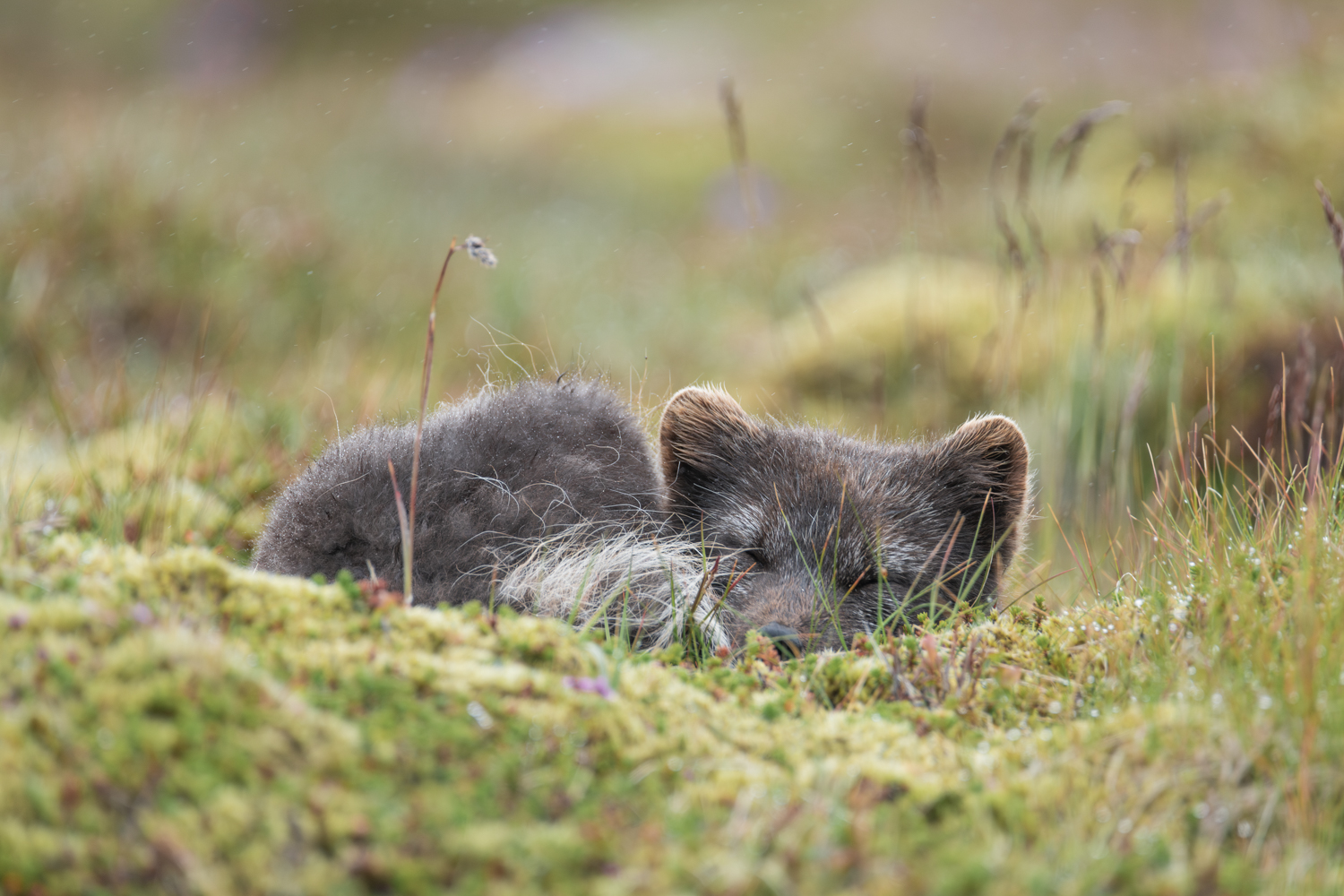
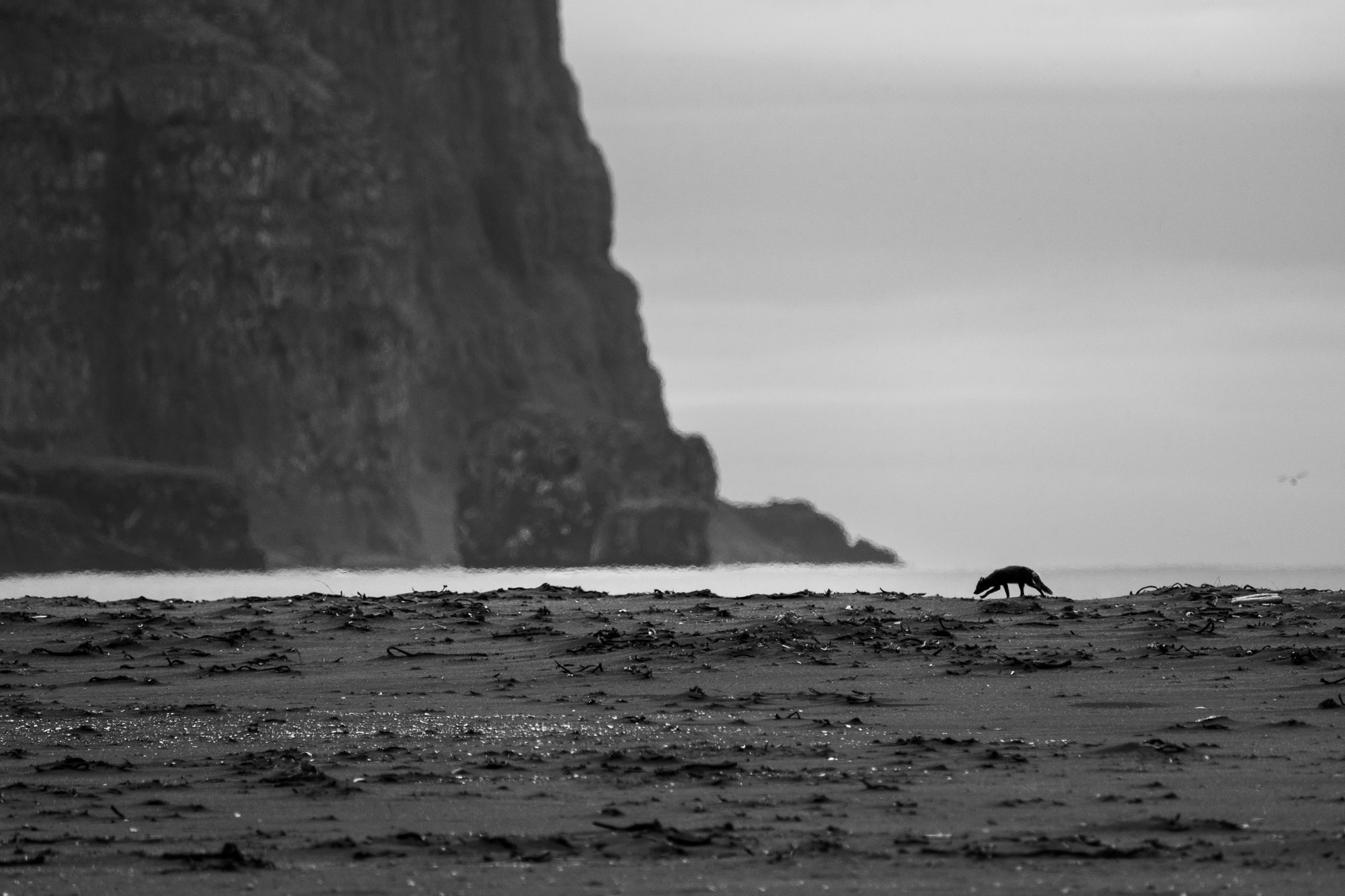
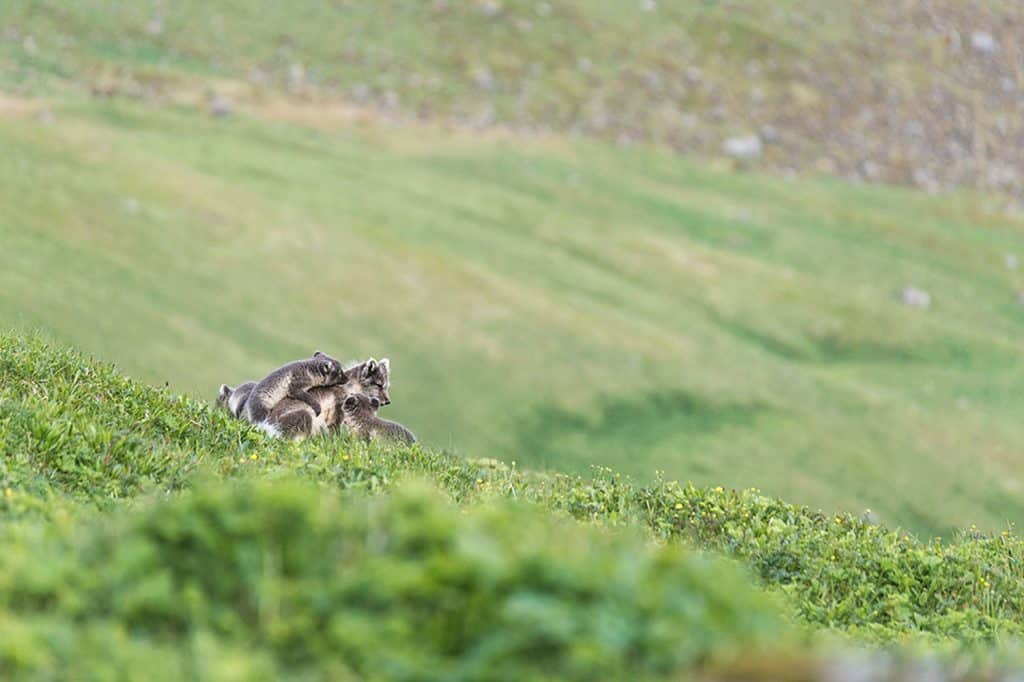
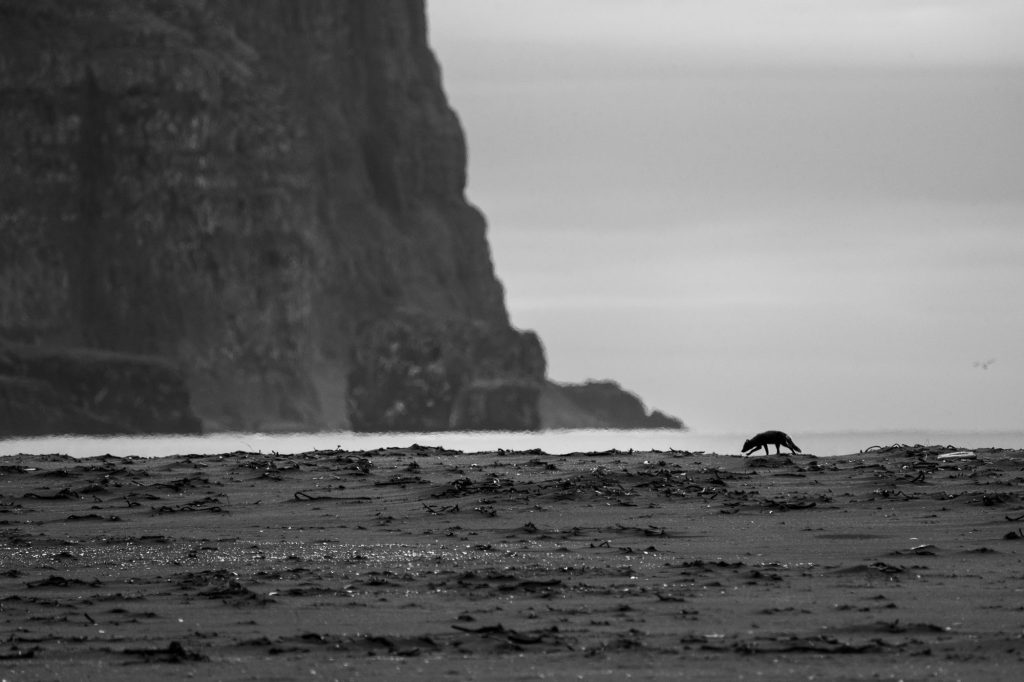
The Arctic fox is not easy to observe in Iceland. It can be found across the island, but chances are higher in the Westfjords. The low population density and abundance of prey (mainly seabirds) make this region a true refuge for the species.
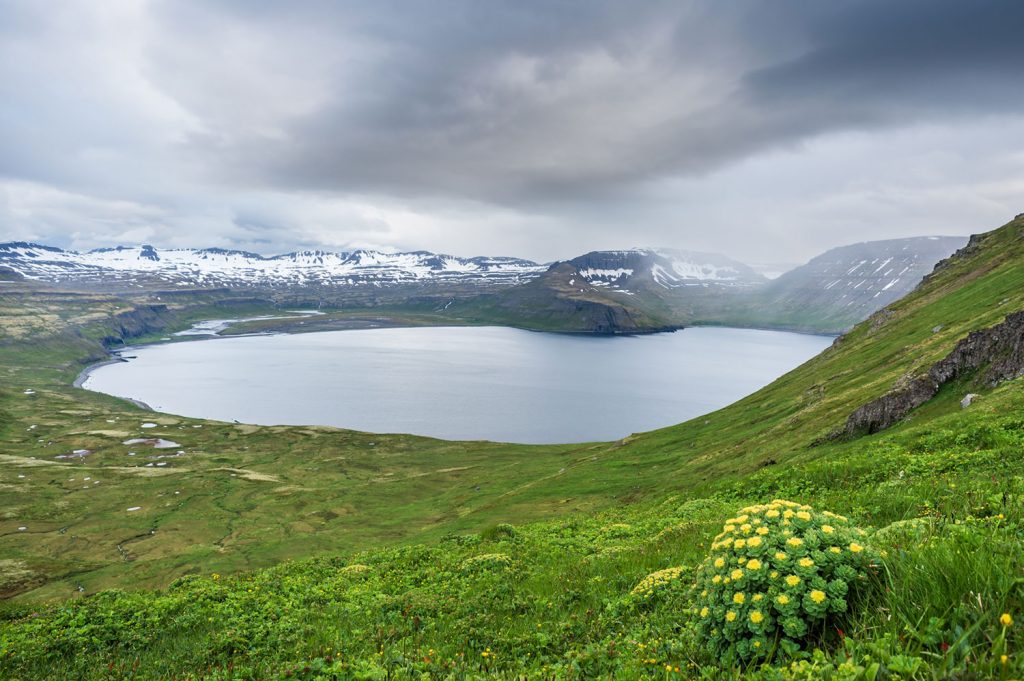
To increase your chances of spotting Arctic foxes during a 12-day Iceland ring road tour, we recommend planning a half-day hike in the Westfjords and keeping your eyes wide open. The fjords of Álftafjörður and Hestfjörður are particularly promising. We sometimes even encounter Arctic foxes along the road between Hólmavík and Súðavík.
If you are a wildlife photographer and want to go further with an 8-day immersion guided experience, feel free to check out our Arctic fox photography tour.
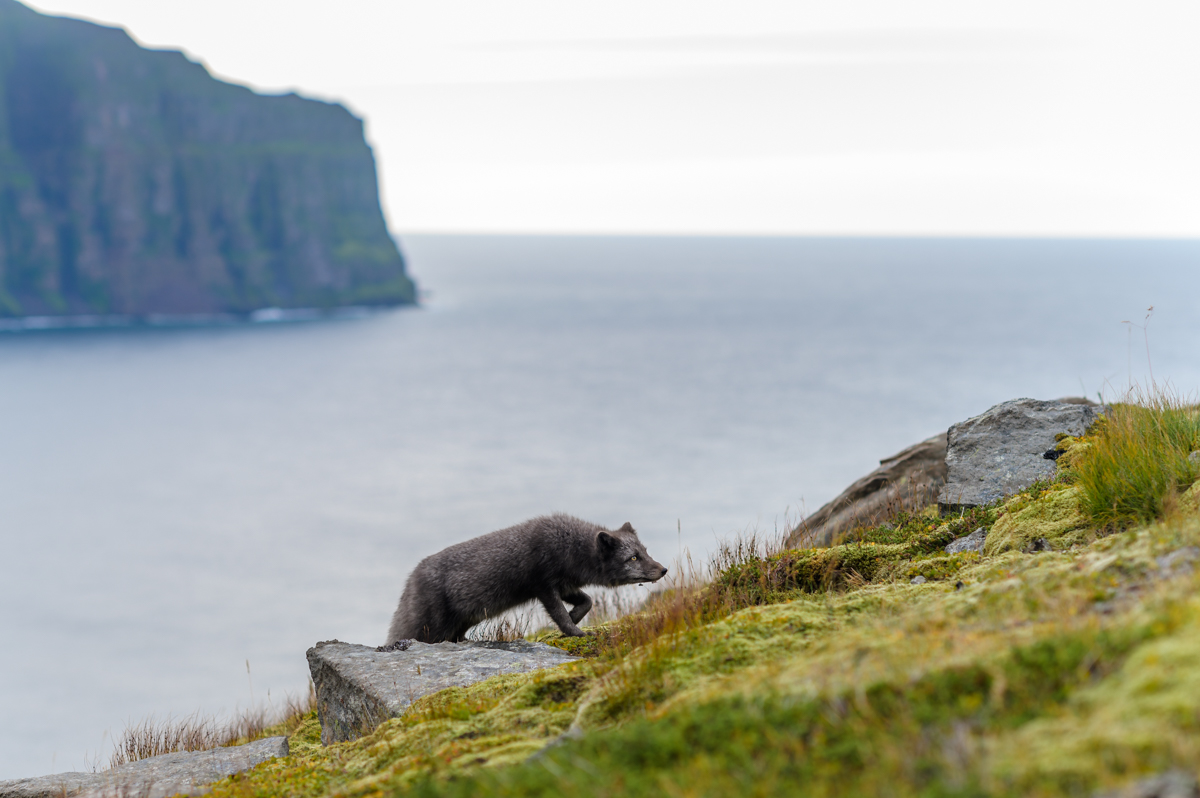
The Icelandic arctic fox in Hornstrandir cliffs
Arctic fox in Hornstrandir
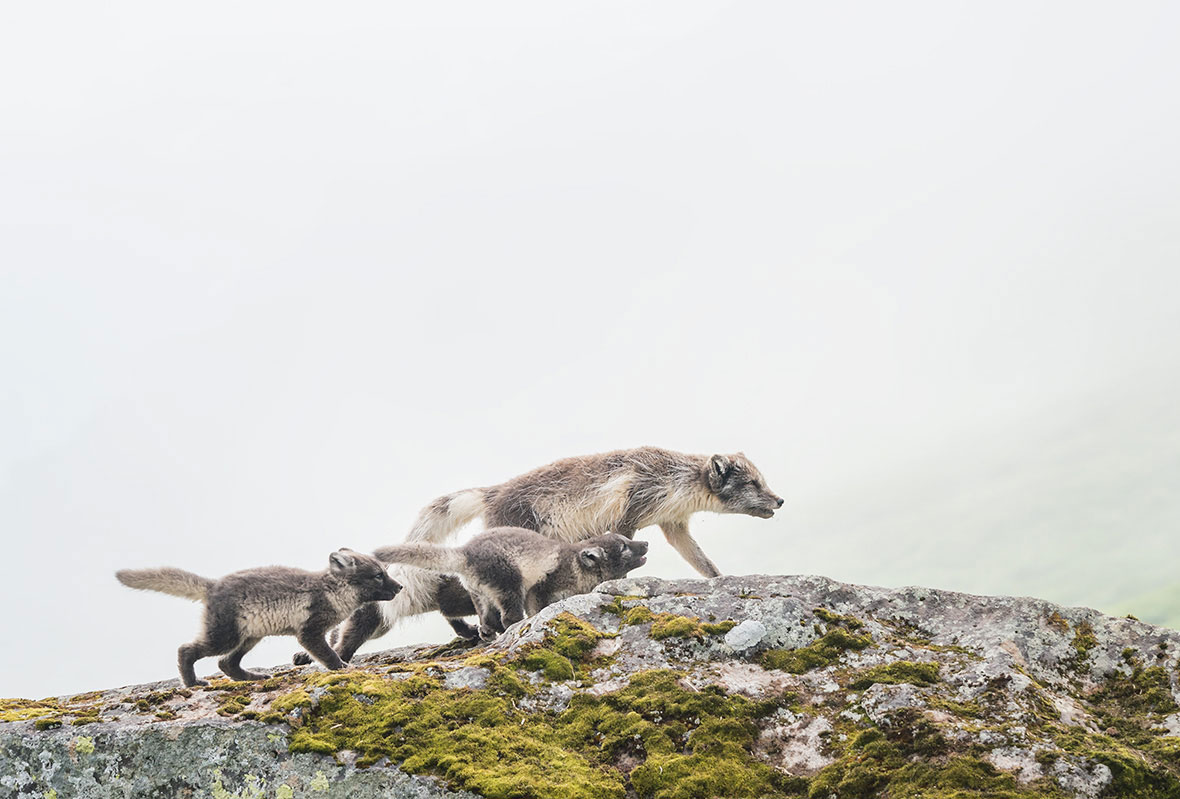
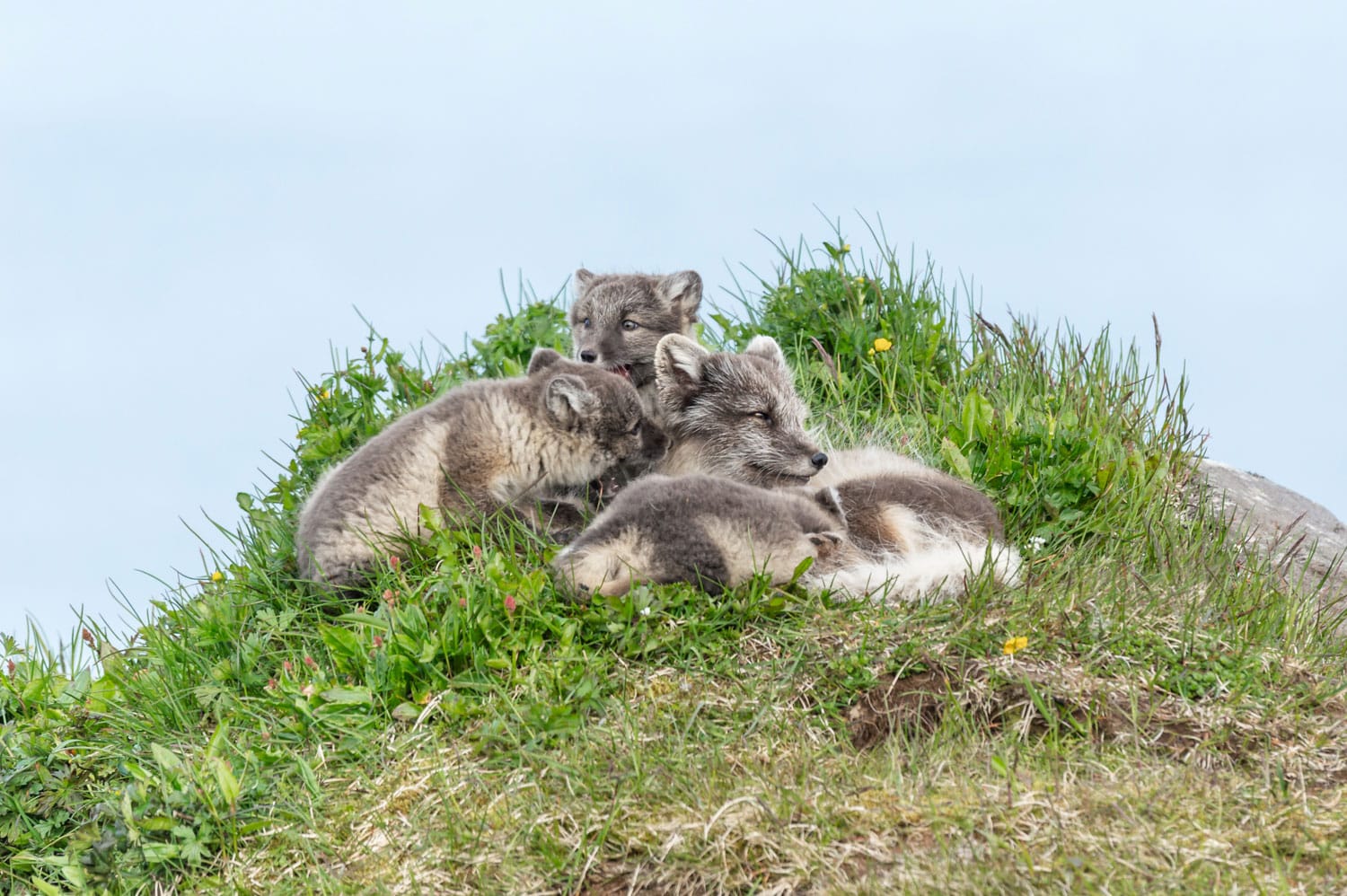
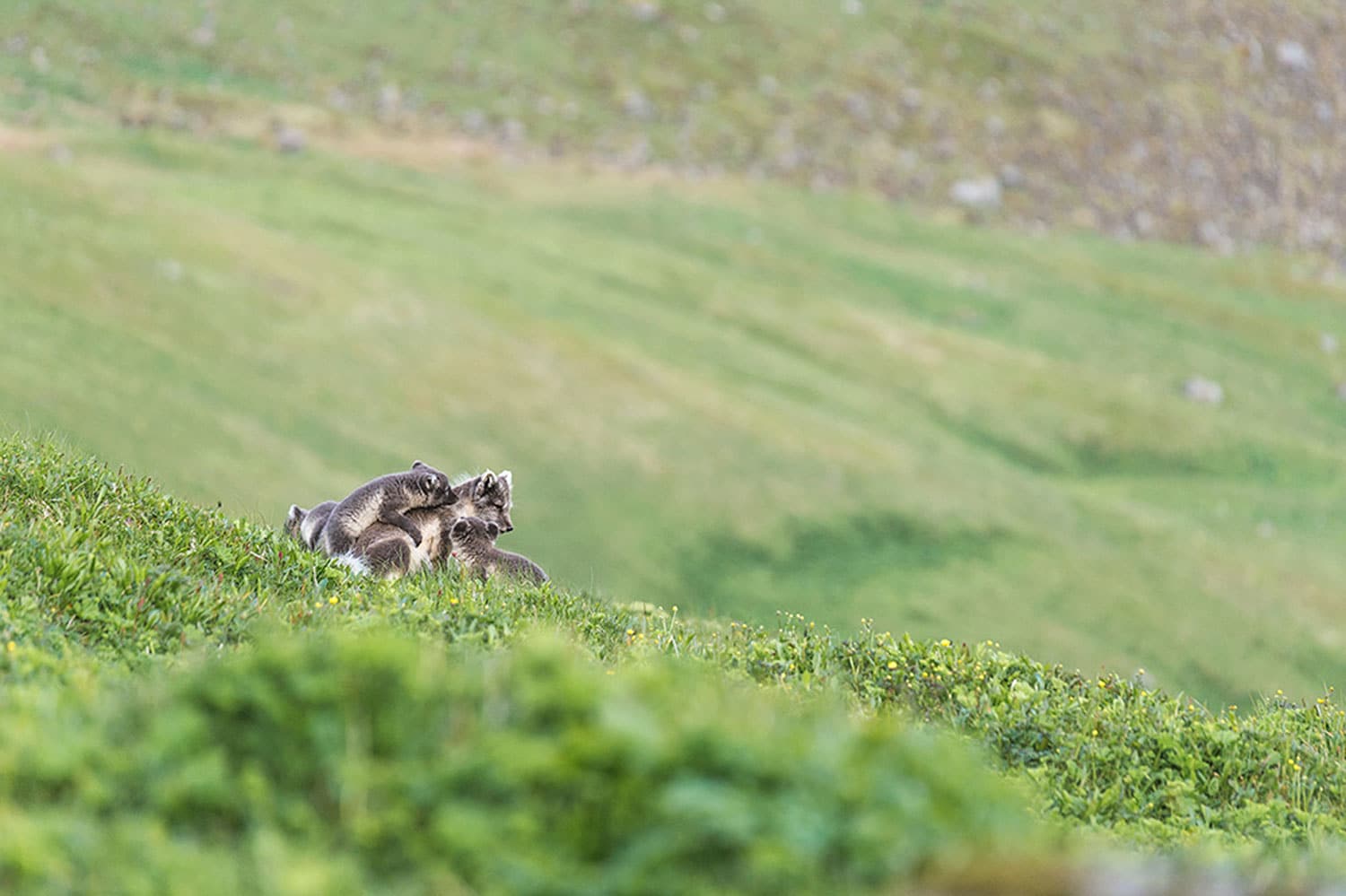
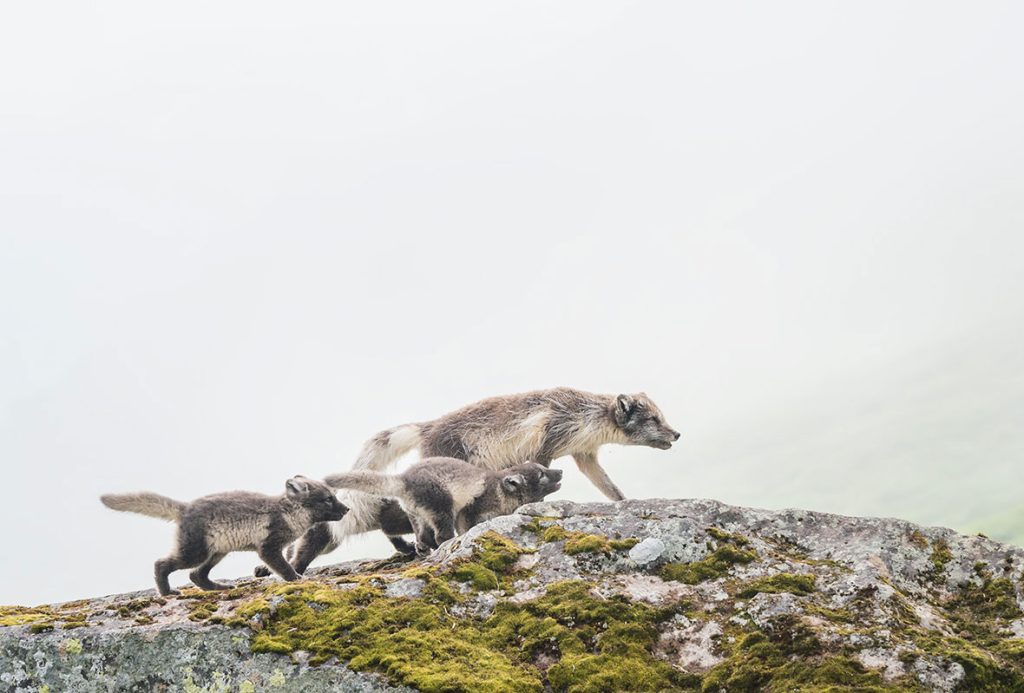
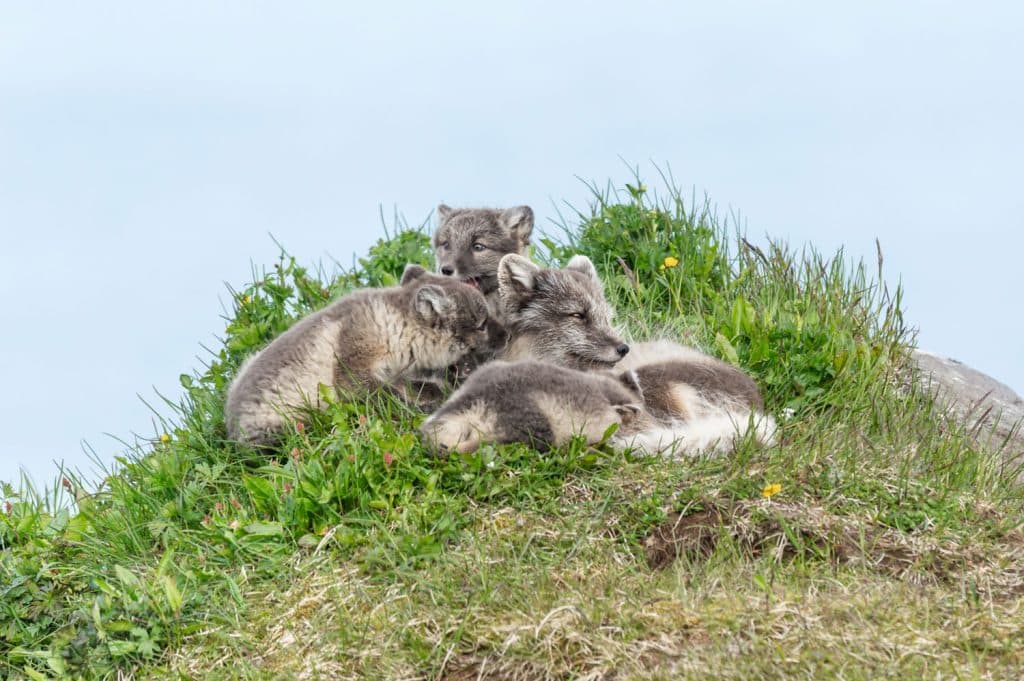
White arctic fox family in summer
Arctic Fox family in summer
The paradise of seabirds
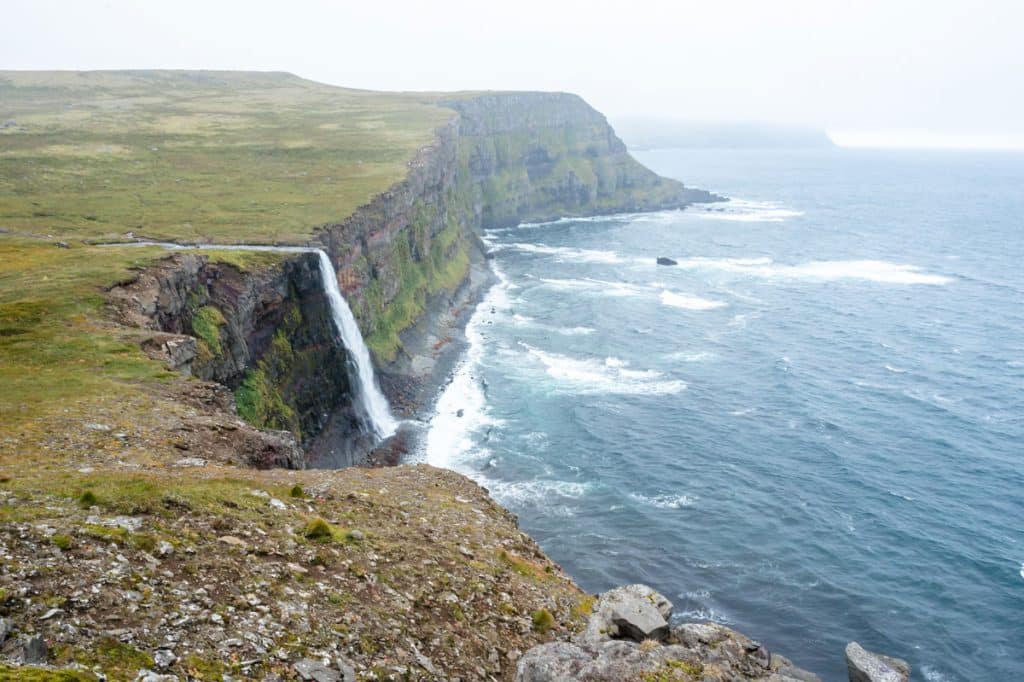
The many cliffs of the Westfjords offer countless opportunities for seabirds to nest and breed. The most famous is undoubtedly Látrabjarg. However, the cliff is very remote, accessible only by a rough track after about an hour of driving.
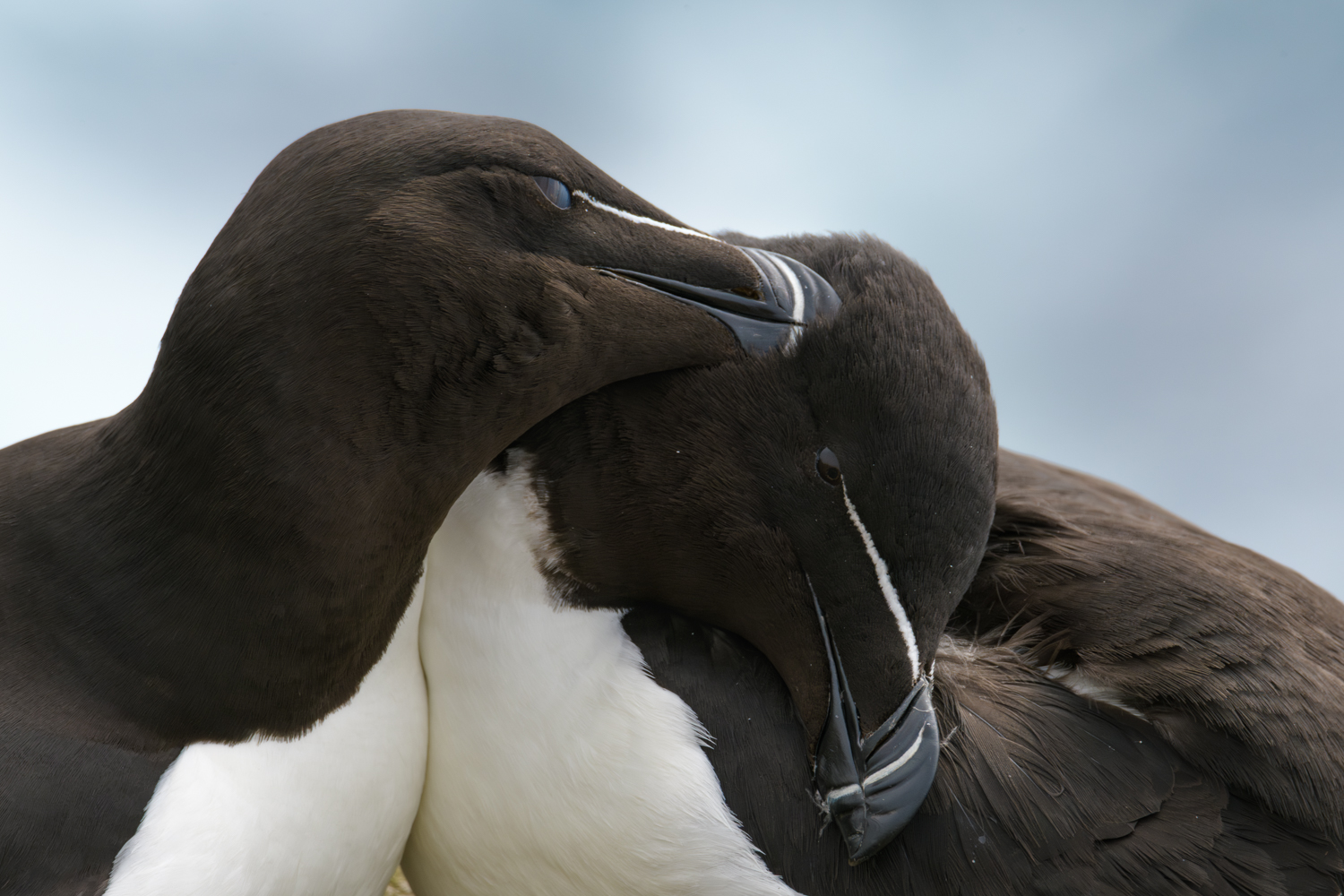
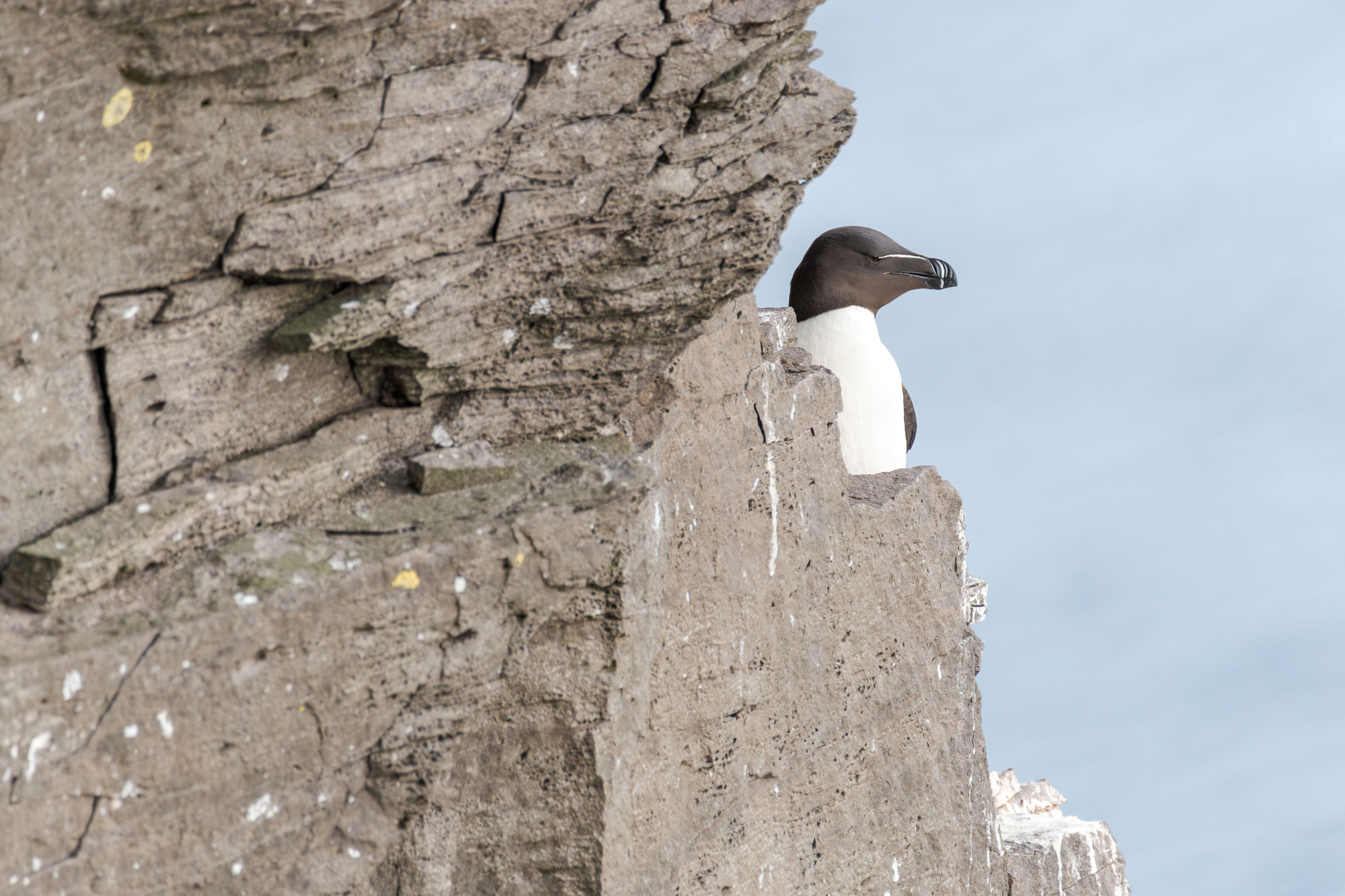
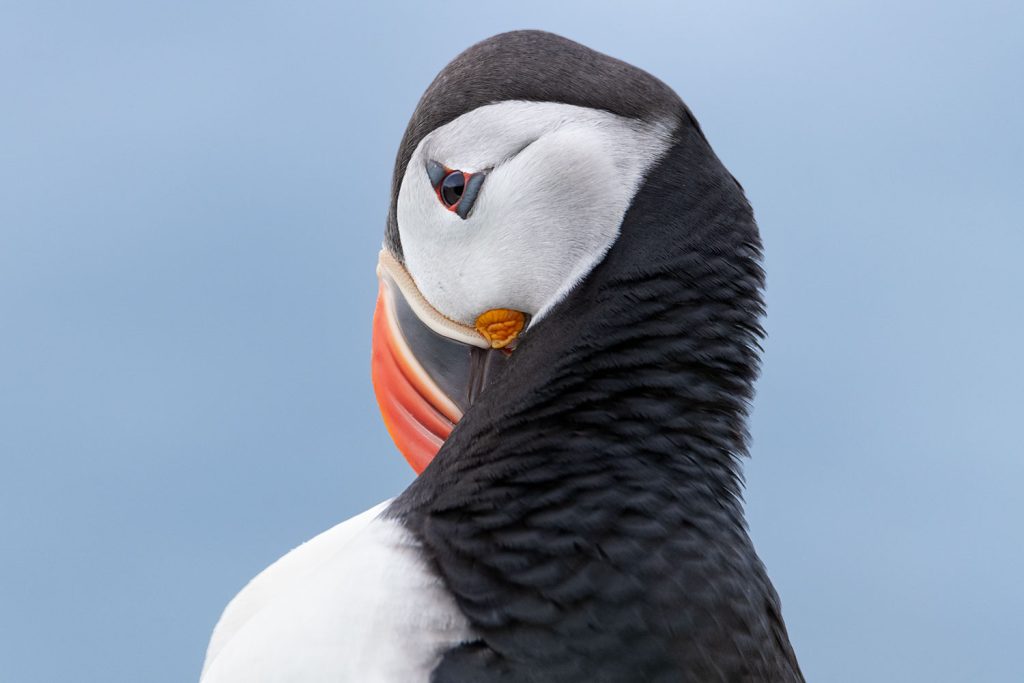
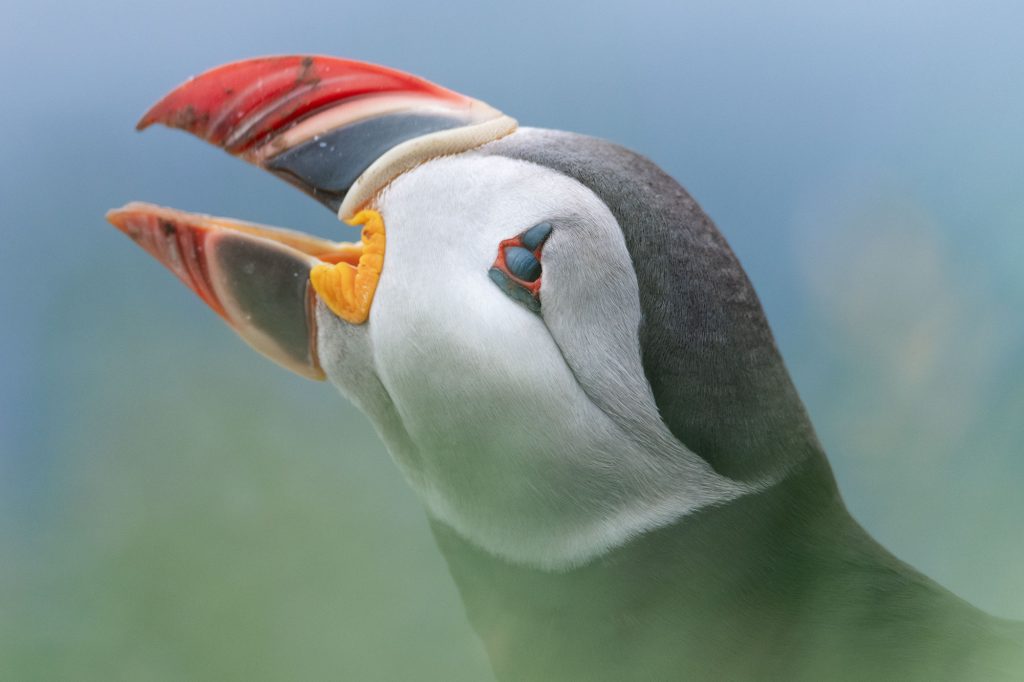
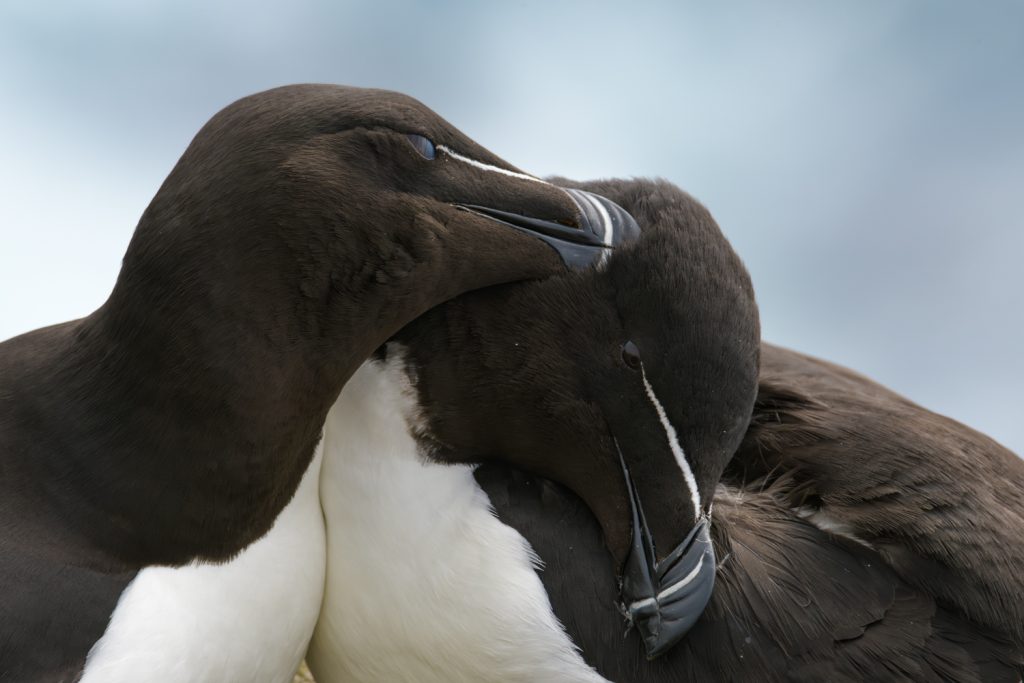
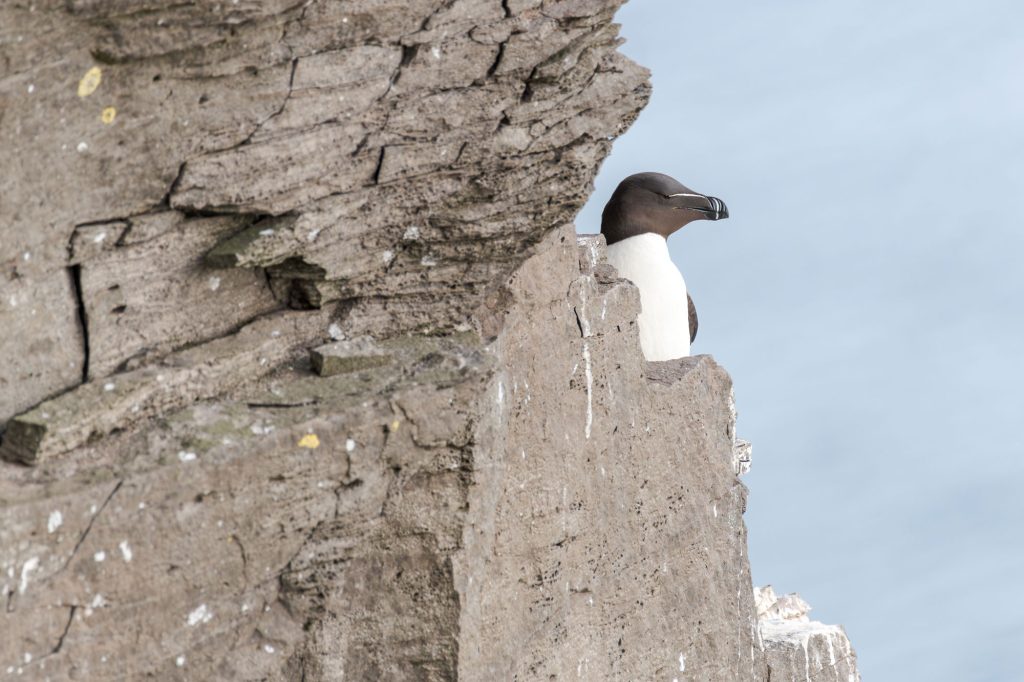
A wide variety of seabirds can be observed at Látrabjarg. The most common include the puffin (a symbol of Iceland), the razorbill, the common guillemot, the black guillemot, the northern fulmar, and the kittiwake. The luckiest visitors may even spot Arctic foxes hunting along the cliffs.
Along sandy shores, wading birds feed and breed. The oystercatcher, purple sandpiper, redshank, and ringed plover are easy to observe in these environments.
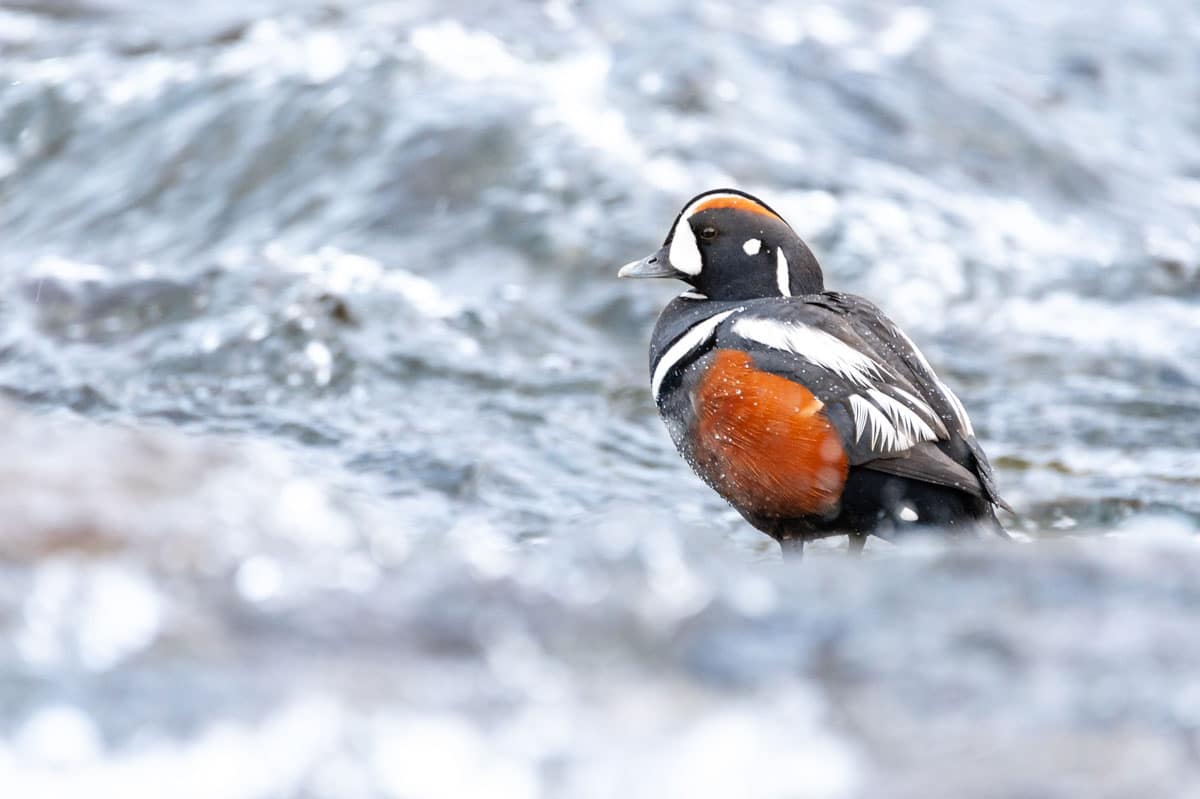
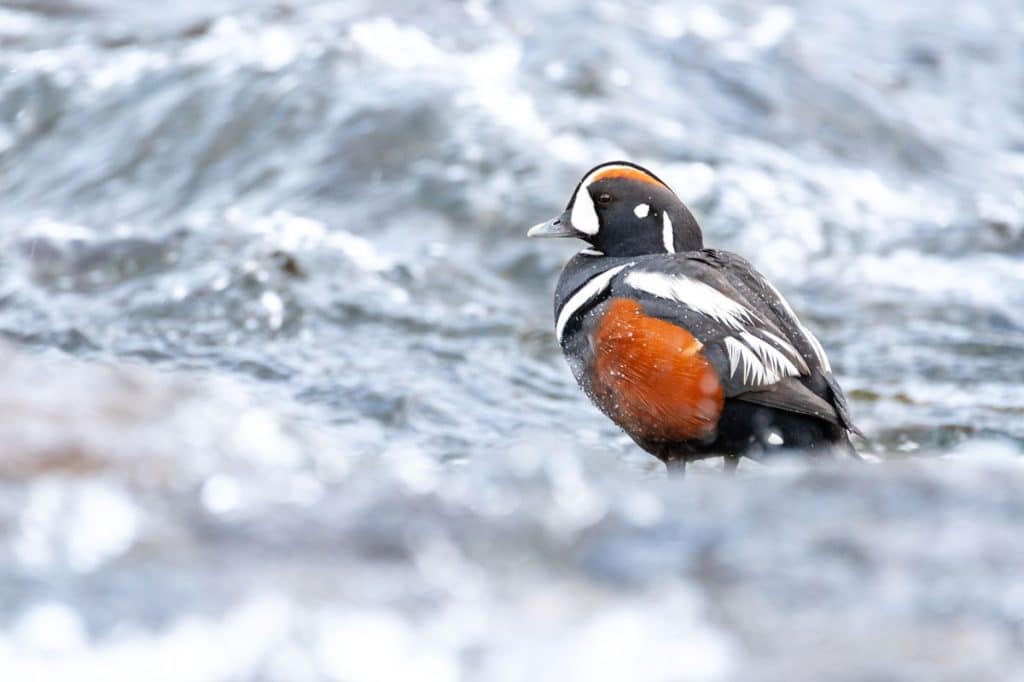
As for ducks, two species stand out in large numbers: the common eider and the harlequin duck.
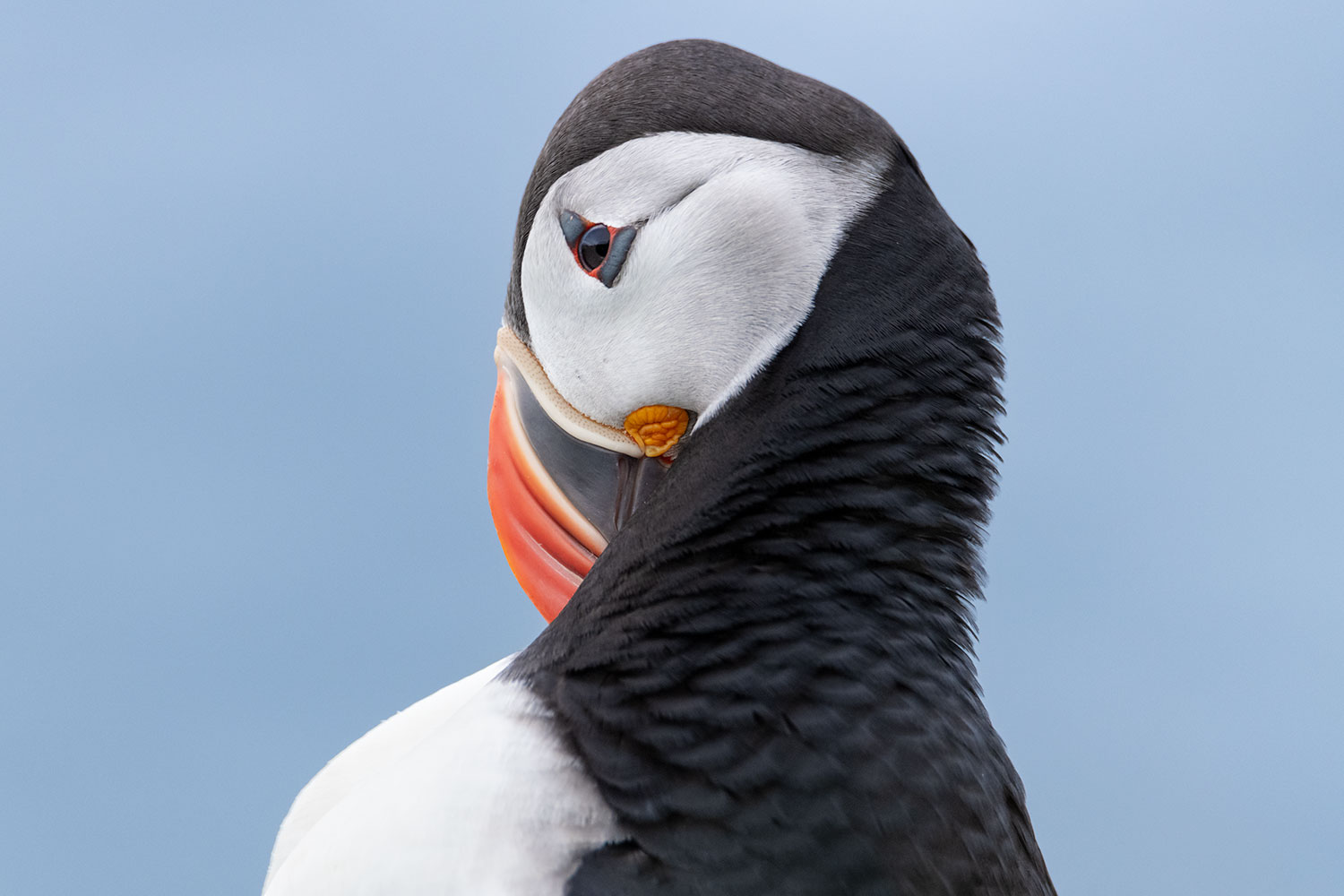
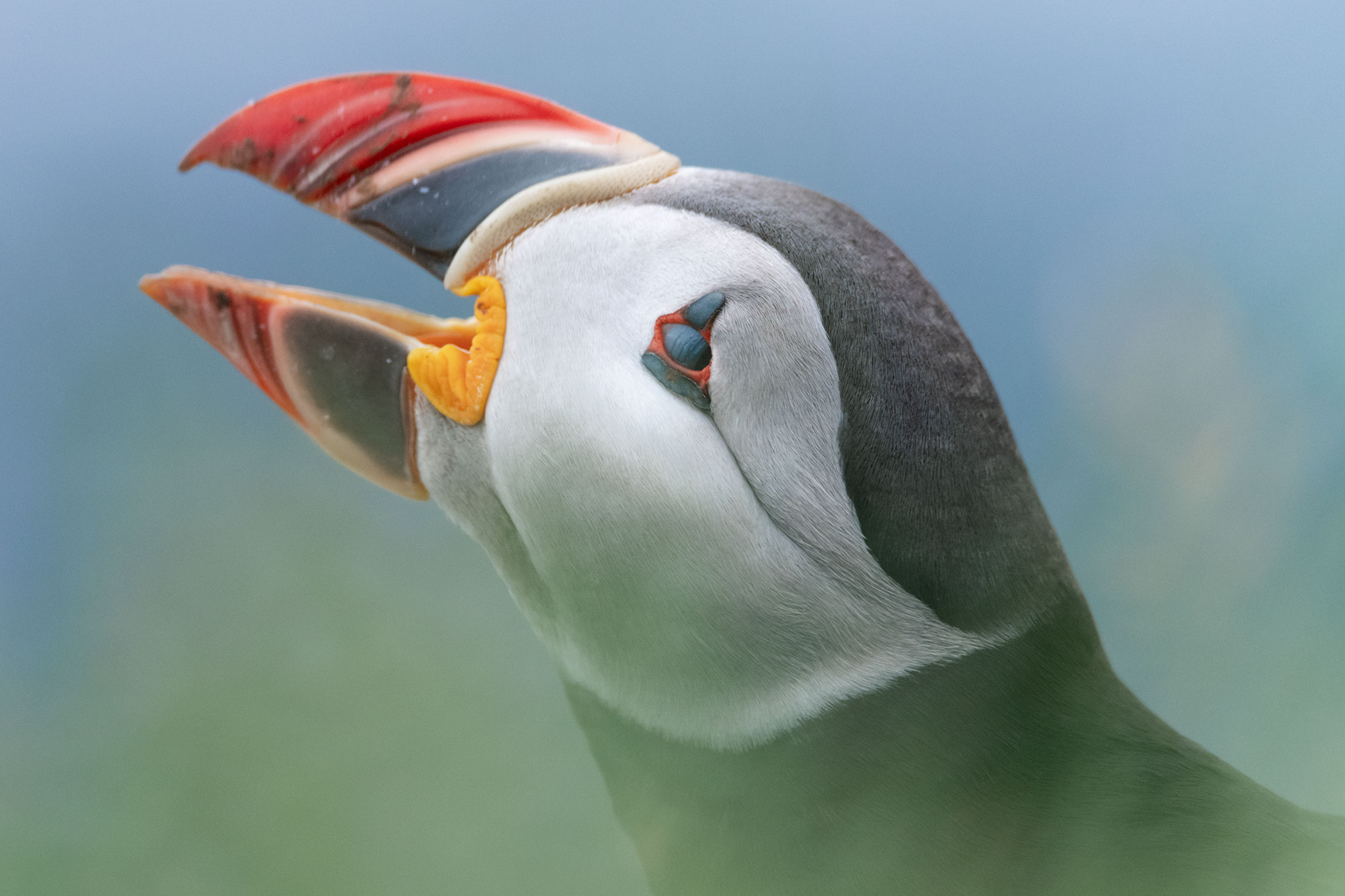
Puffin in Iceland
Puffin in Iceland
Razorbill in Latrabjarg
Common eider in southern Iceland
Harlequin duck in Hornstrandir reserve
The Hornstrandir Nature Reserve
A gem of the Westfjords, the nature reserve of Hornstrandir is the most isolated territory in Iceland. No roads lead there, and no one lives there. The only way to access it is by boat. However, Hornstrandir also has the harshest climate in Iceland. We do not recommend going without a guide unless you are experienced in hiking in similar conditions (Scotland, Ireland, or Norway in winter).
If you are an experienced hiker, Hornstrandir is one of the best experiences Iceland has to offer. It provides a glimpse of what the island looked like before human settlement. Hunting is forbidden, and Arctic foxes, seabirds, and marine mammals live there undisturbed.
People lived in Hornstrandir until the mid-1950s, with many farms established there. Communities survived on fishing for centuries. After World War II, economic growth around the capital and the harsh climate led residents to leave, moving either to the southwest or to the nearby town of Ísafjörður, which is better protected from northern winds.
We know this reserve well, as we have the privilege of working there every summer. It is where we have experienced some of our most memorable Arctic fox photography moments.
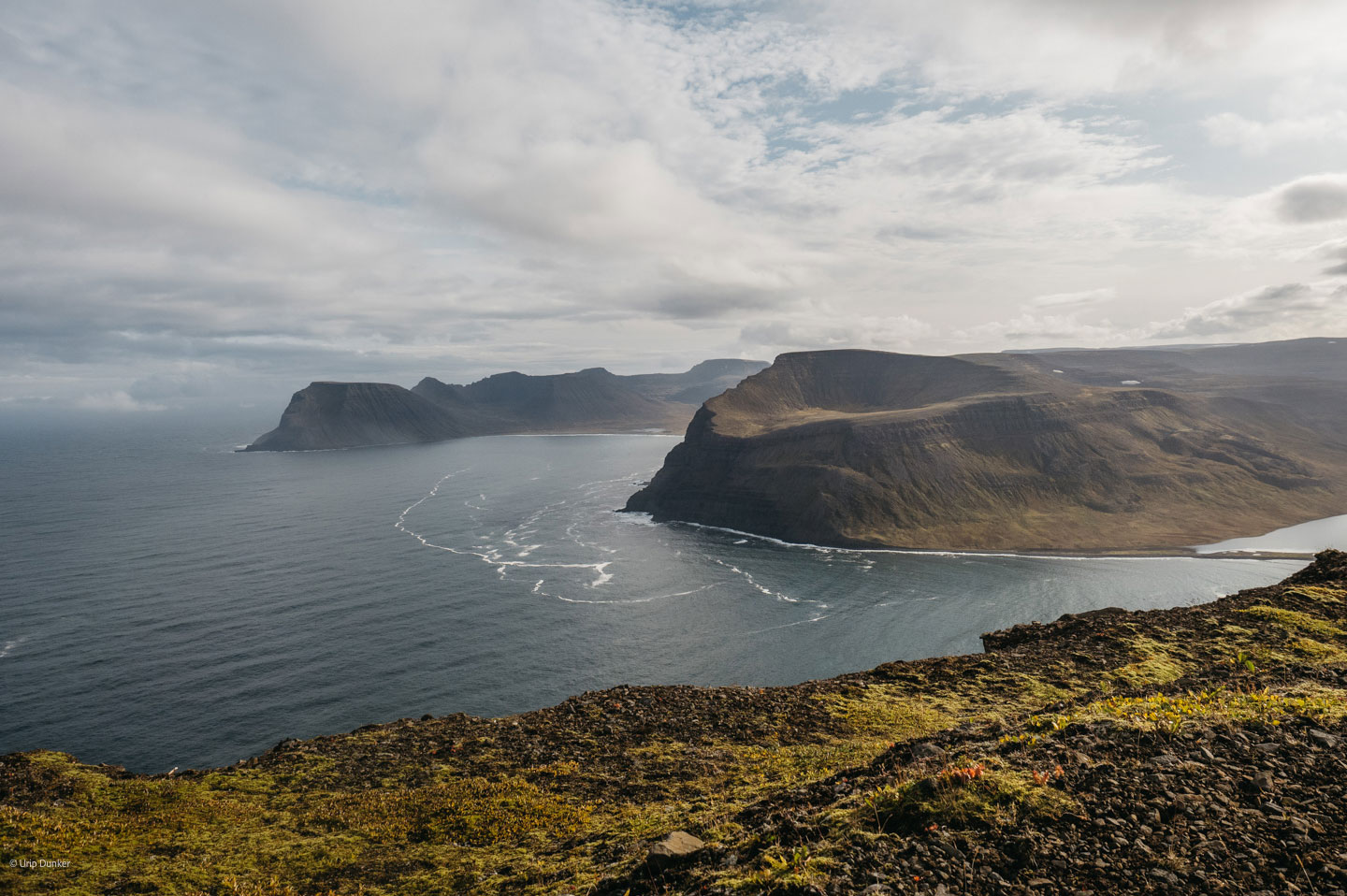
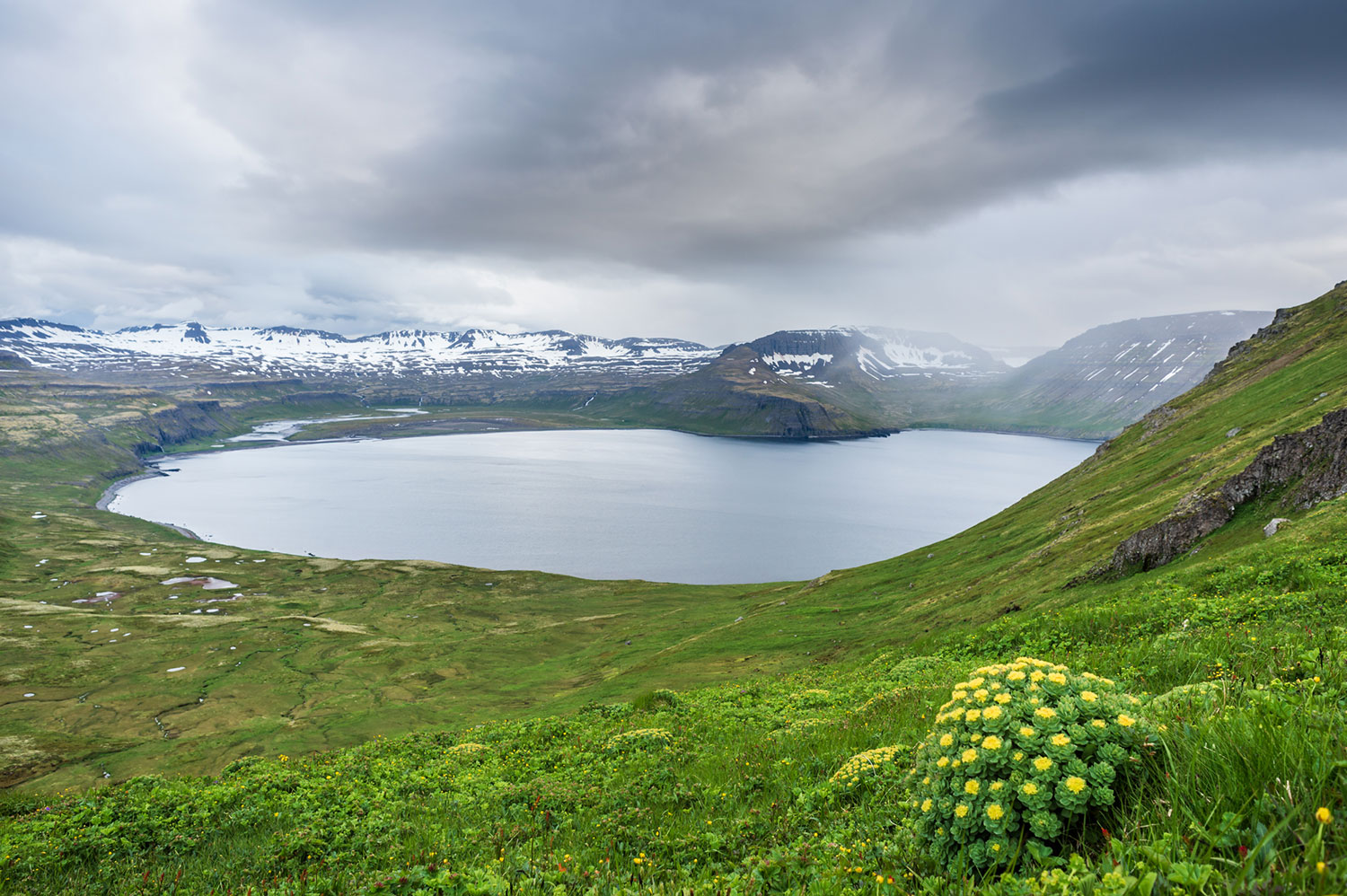
Hornvik Bay at Hornstrandir
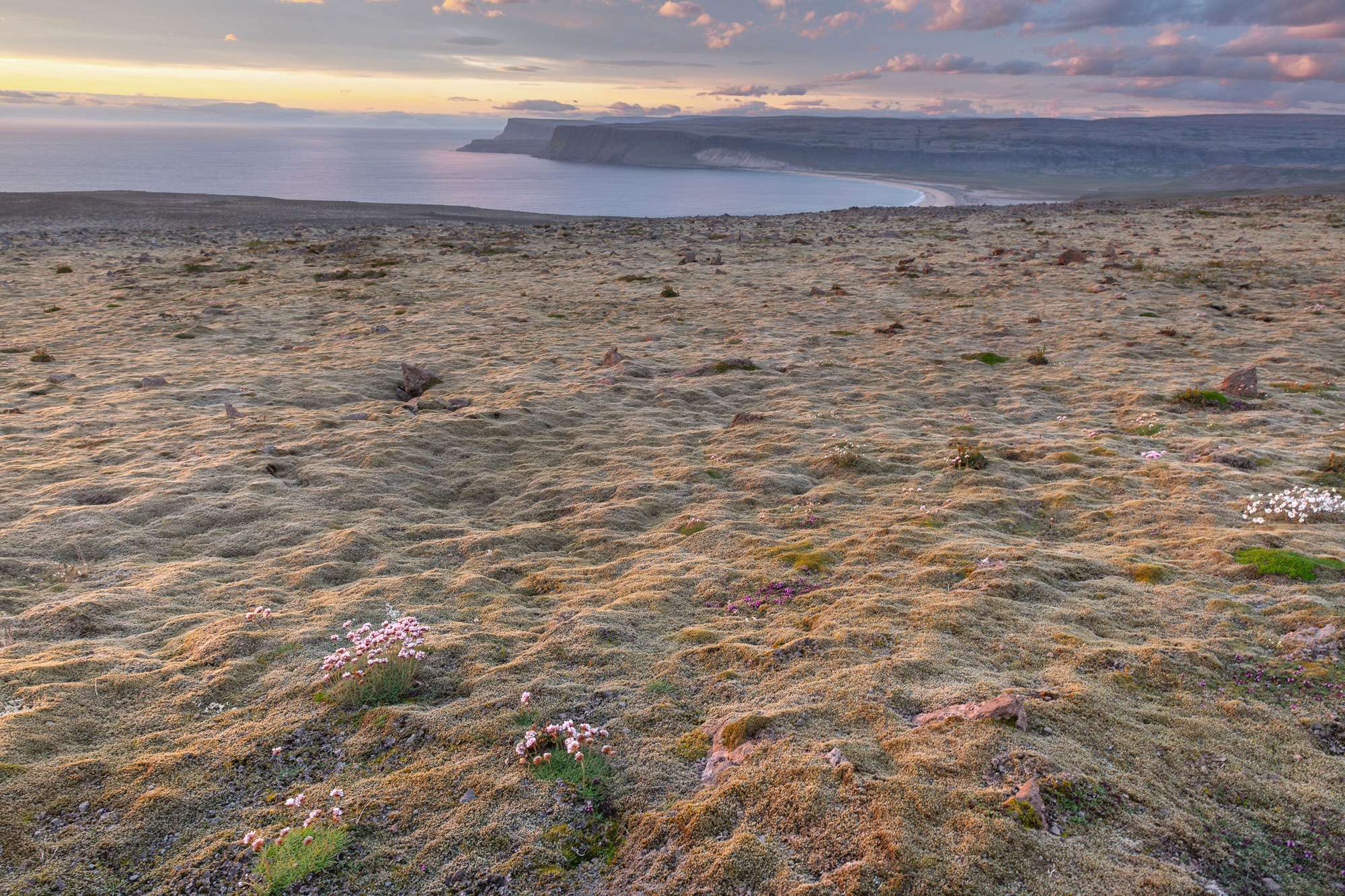
Hornstrandir landscape
Arctic fox in Hornstrandir
The Drangajökull glacier
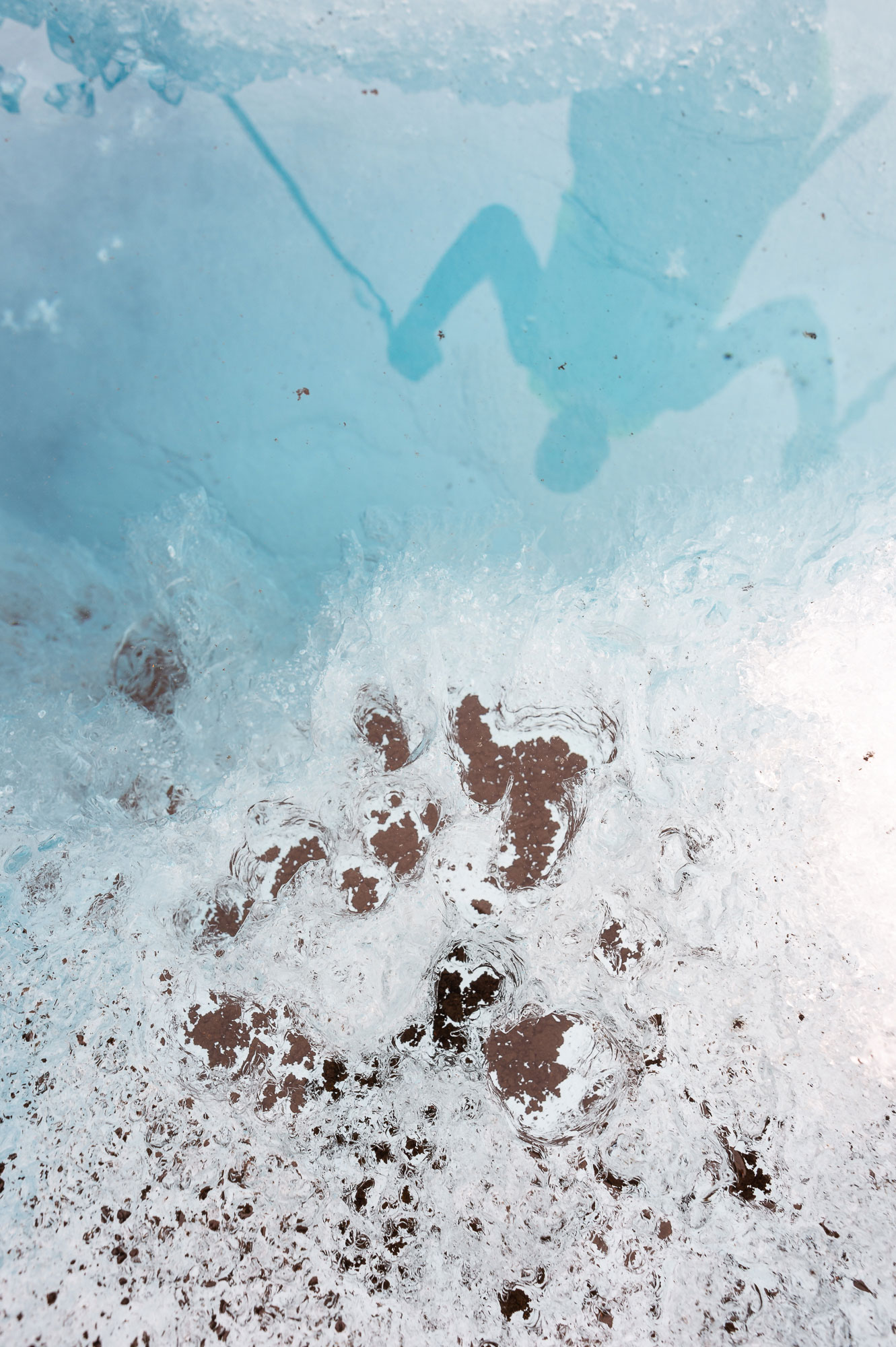
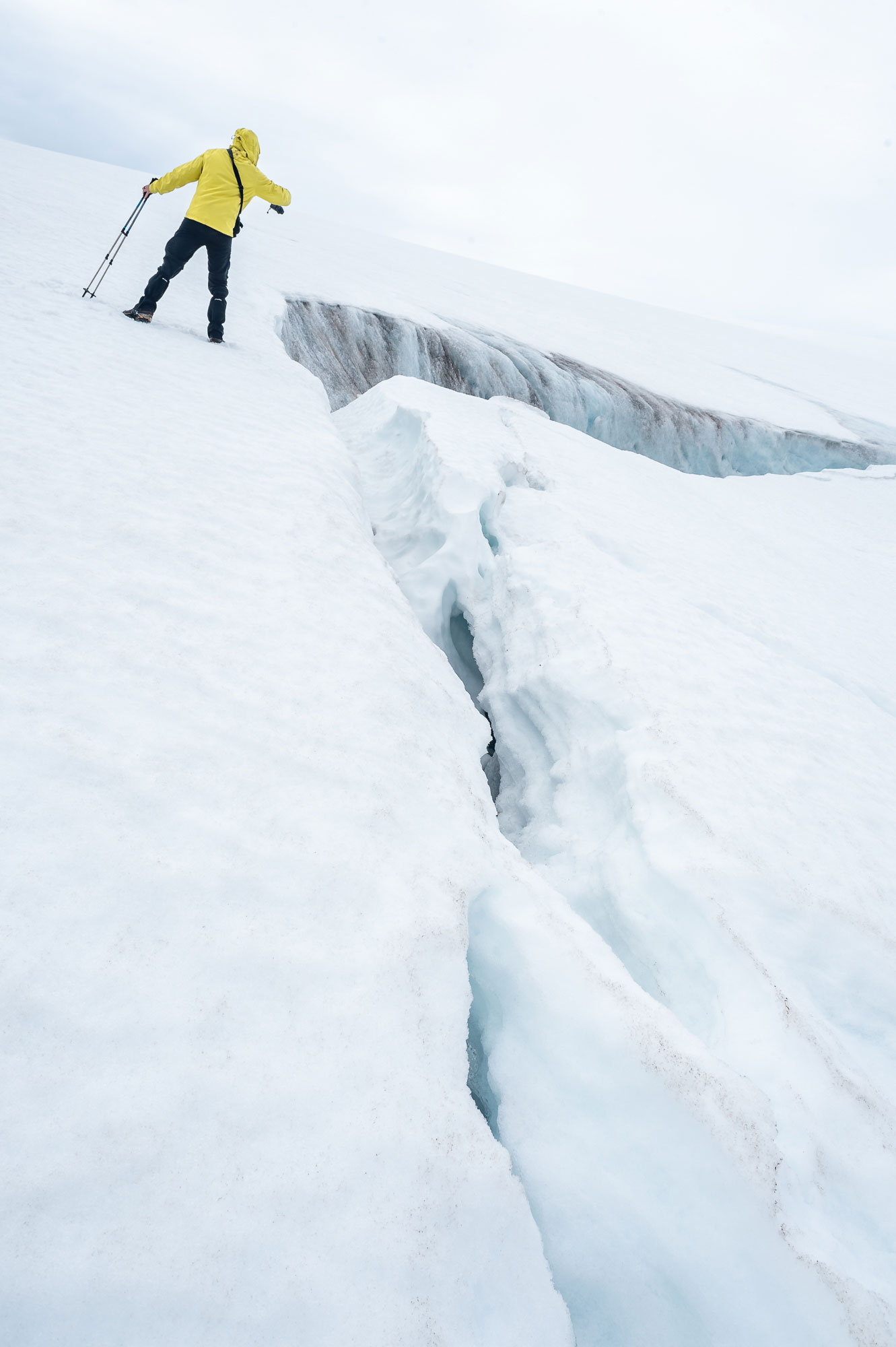
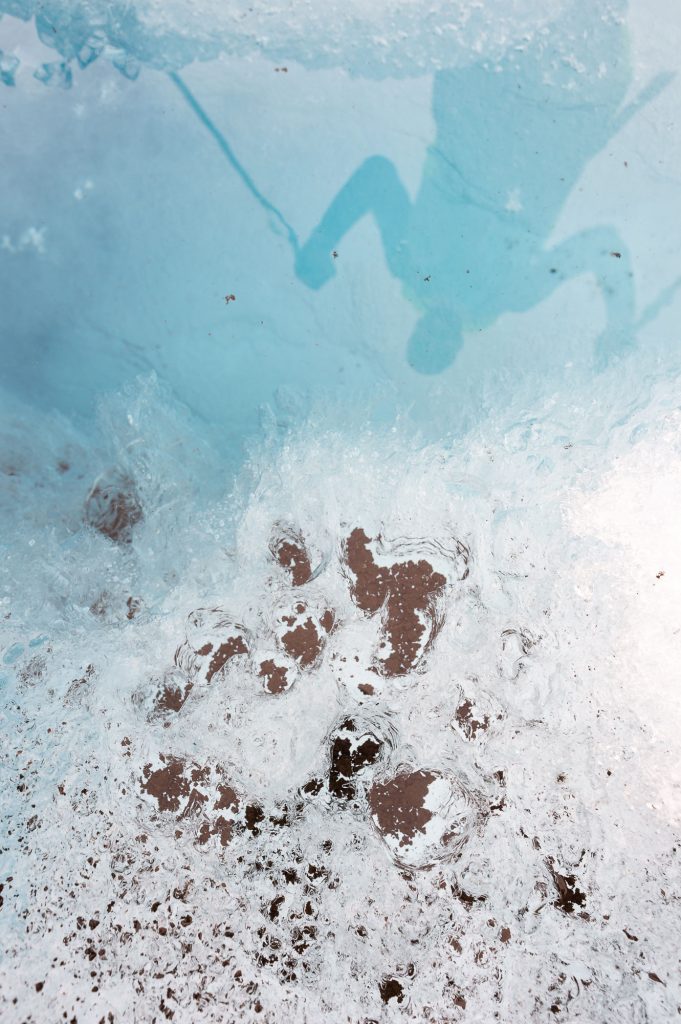
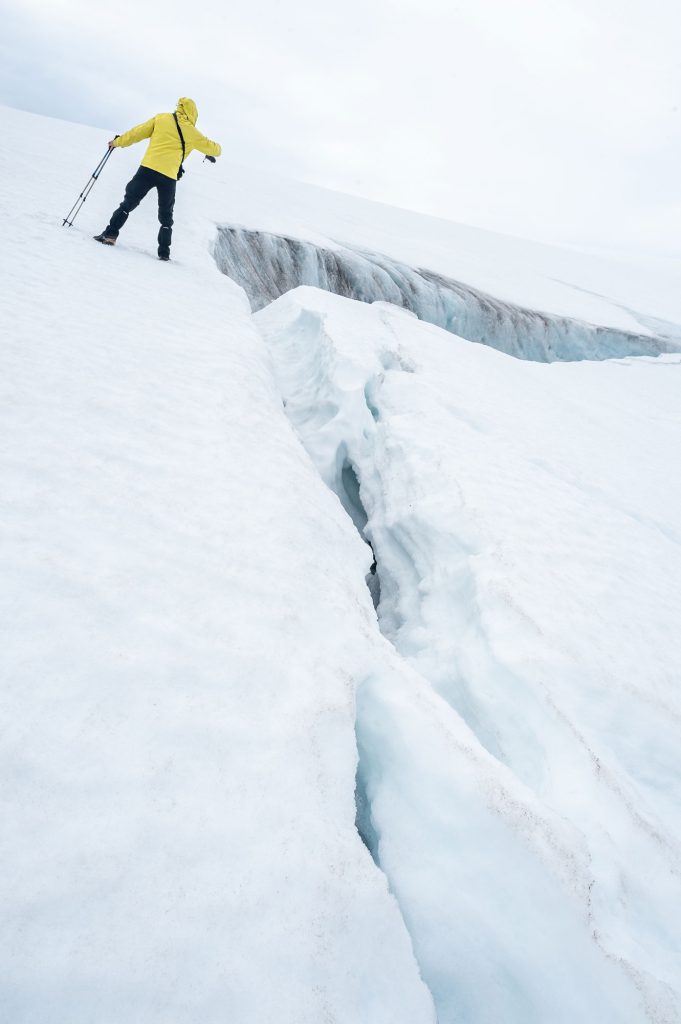
The Drangajökull glacier is the only glacier in the Westfjords. It dominates the peninsula and separates the Hornstrandir Nature Reserve from the rest of the region. We know this glacier well, as we work there as hiking guides. In June and July, it is accessible and can be explored during the midnight sun for landscape photography sessions. However, from mid-July onward, crevasses deepen, and the glacier becomes more dangerous.
Drangajökull is not as impressive as Vatnajökull in the south. It is a smaller glacier, covered in snow for most of the year. But it offers one major advantage—complete absence of humans! We have visited every summer for many years and have yet to encounter another photographer, hiker, or tourist there. Feel free to contact us if you would like more information about these remote locations in Iceland.
Drangajökull glacier
Drangajökull glacier
Conclusion
Iceland is a dream destination for landscape photography enthusiasts. A 12-day Iceland ring road tour allows you to discover an exceptional diversity of landscapes and natural wonders. It is also a valuable opportunity for wildlife photographers, drawn by the richness and uniqueness of Arctic fauna.
In this article, we have selected some of our favorite photography spots. However, this list is far from exhaustive—there are countless places of interest for photographers. Depending on your perspective and sensitivity, Iceland reveals such a wide variety of landscapes that exploring them could inspire a lifetime of photography.
If you would like to join one of our landscape photography tours in Iceland, feel free to contact us—we would be delighted to discuss it with you.

Sorry, the comment form is closed at this time.