Wildlife photography is a wonderful world, a chance to discover the world as it really is, a return to our roots. More and more people, whether photographers or not, are taking an interest in this activity, which, let’s face it, is the stuff of dreams. But as in many fields, there is a significant gap between the image we have of wildlife photography and the reality. As we’ve been asked this question so often, we’ve tried to answer it in this article: How do you become a wildlife photographer?
What is a wildlife and nature photographer?
To explain what a wildlife photographer is, we will try to look at the three key aspects that form the foundation of this profession: the naturalist, the photographer, and the artist. Each of these roles is an integral part of the profession, and a wildlife photographer must embody all three.
1. The naturalist
A wildlife photographer is a field naturalist. Someone passionate about fauna, flora, minerals, and everything that makes up nature, preferably in its free and wild state. To bear witness to and capture this wild nature on camera, it is essential to understand for oneself how species function. It is not a matter of forcing oneself to learn, but of being naturally curious. In other words, it absolutely must be a passion!
A naturalist must research, observe, and cross-reference information; they are a sort of investigative journalist of biodiversity. The more knowledge a naturalist accumulates, the better they understand how species work and, as a result, the easier it is for them to observe.
2. The photographer
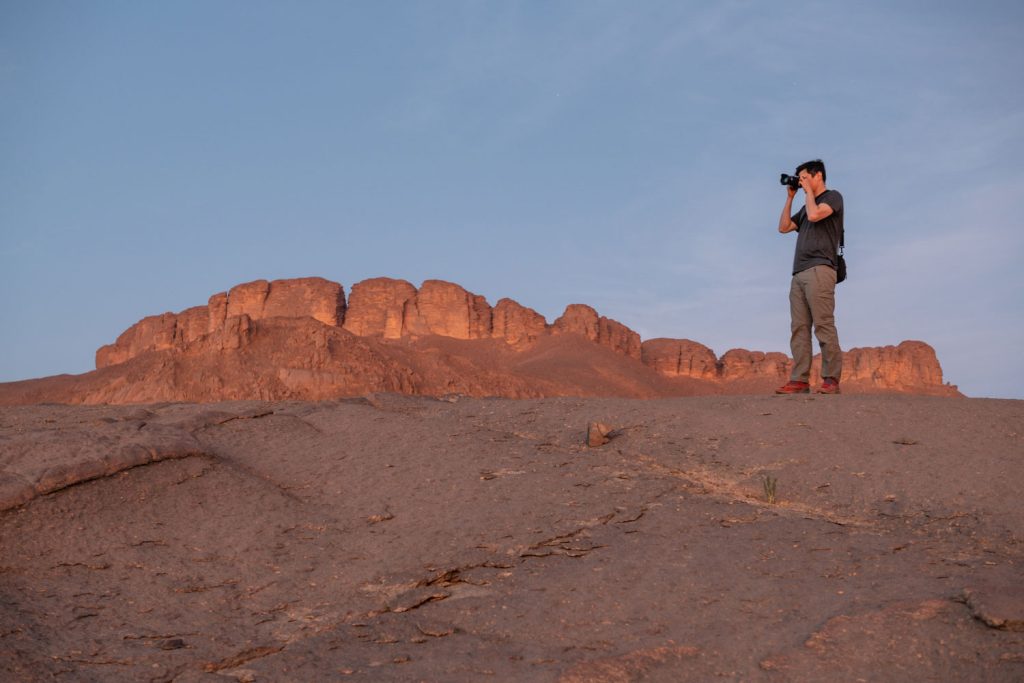
Obviously, you need to be a photographer – in the technical sense of the word – to take photographs. You need to understand and master how a camera works, as well as lighting, colours, the rules of composition, and everything else that makes up this profession.
Given the difficulty of wildlife photography, technical mastery must be flawless. Adjusting settings, choosing the framing, and deciding on the composition are all tasks that the photographer must perform instinctively and quickly. And to reach this level of mastery, only one thing matters: experience!
3. The artist
Finally, it is the artist who will put their knowledge of nature and technical mastery of photography at the service of creativity. We do not presume to answer the question: what is an artist? But what we can say, however, is that the wildlife photographer must demonstrate creativity and originality. Otherwise, they would be doomed to produce photographs that have been seen time and time again.
Of course, art is something that is practised, developed, and nurtured. We advise wildlife photographers to take an interest in what has already been done, to visit exhibitions, and to draw inspiration from other photographers, whether well-known or not. This is how we develop our creativity. The artist always needs inspiration to create.
Technical requirements
Now that we’ve defined what a wildlife photographer is, let’s talk about the technical requirements.
Photography techniques
As we mentioned earlier, wildlife photographers must have perfect technical mastery. We believe it is difficult to explore the world of wildlife photography without using manual mode exclusively, and thus, in practice, mastering exposure, aperture, ISO, and other camera settings. At Wildlife Photo Travel, we always advise our workshop participants to avoid using any mode other than manual mode. Admittedly, it takes time to become completely comfortable with all the settings. But once you do, a whole world of light, colours, shapes, and textures opens up to you. By mastering manual mode, you remove all barriers to creativity.
Hiking, outdoor activities and self-sufficiency
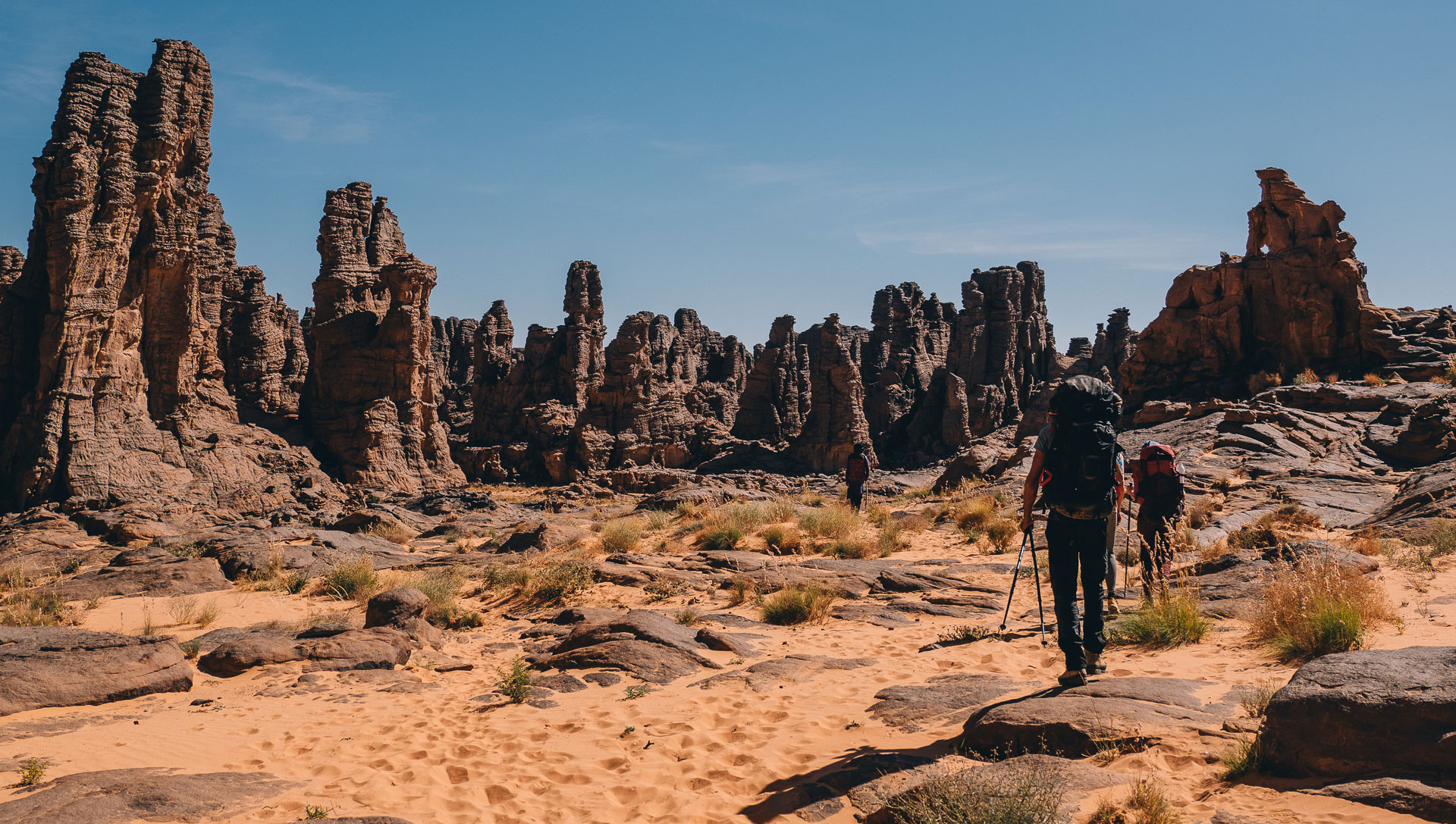
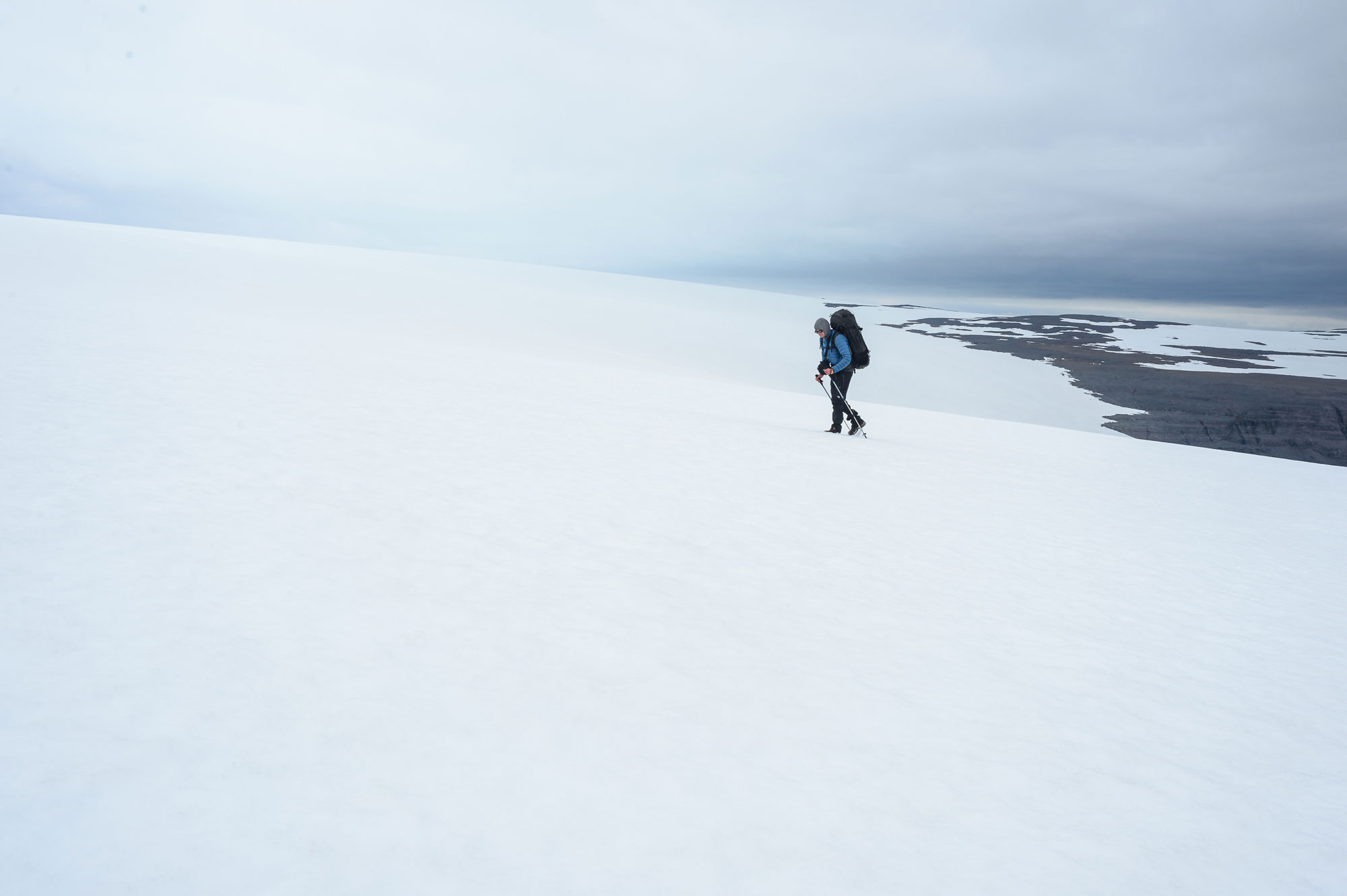
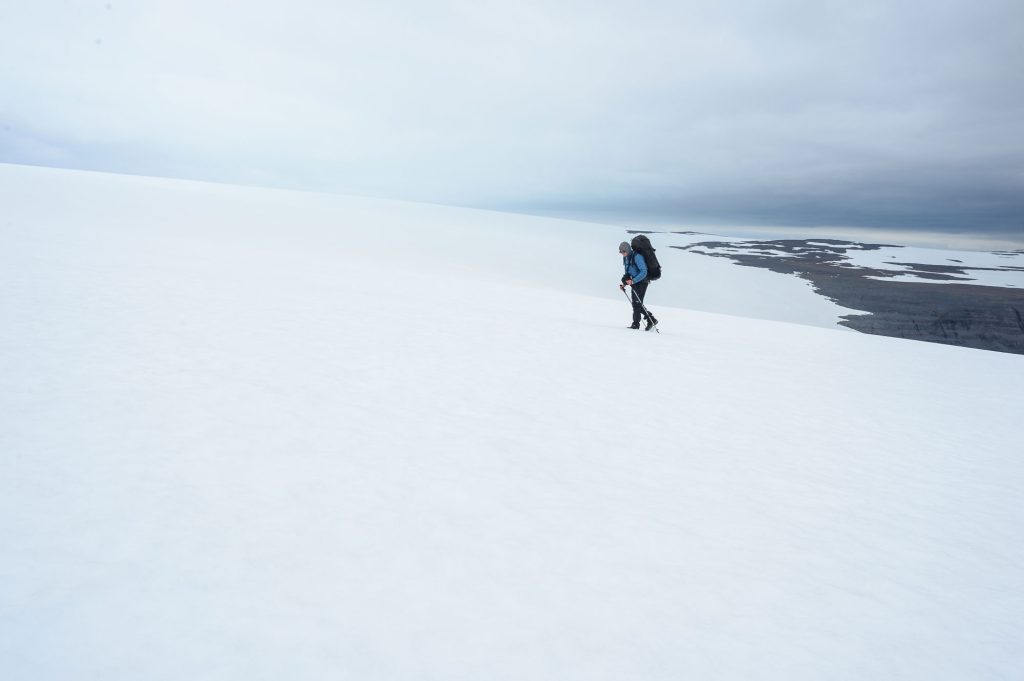
To become a wildlife photographer is not just a matter of camera settings. Other technical requirements are useful, and even essential in some situations. For example, being physically fit and having some hiking experience is a major asset. Admittedly, some photographers are satisfied with exploring the areas around their homes and heading back indoors to keep warm in the evening. But in the world of wildlife photography, that’s a luxury. Many want to explore other regions, photograph new species, and discover different ecosystems. And in that case, there’s no mystery about it: the most effective method is to pack a backpack, head out to the location, and camp.
Hiking and camping mean self-sufficiency. Learning self-sufficiency techniques in the wild creates a new opportunity: that of immersion. By living in the wild, in the heart of the wilderness, you take the time to explore, observe, learn, and finally photograph. These self-sufficient trips can last from a few days to several weeks, and allow you to get to the heart of things, to know the ecosystem you’re after inside out, and to truly understand the lives of the species that inhabit it. Some of our photography tours, such as the Arctic fox photo tour in Iceland, are immersive experiences, even though the level of comfort is higher than in a traditional campsite. We specifically want to give photographers a glimpse of the benefits of self-sufficiency in the wilderness.
The science of nature
Ultimately, photography is also, and above all, about building up a general scientific knowledge. Depending on the species you wish to photograph, you may find yourself learning more about weather patterns, how tides work, the evolution of species, geology, and sometimes even history. There are many topics to cover, and we’re talking here about a lifelong learning process.
The subject is too vast to cover everything, but we can give you a few examples from our photography tours:
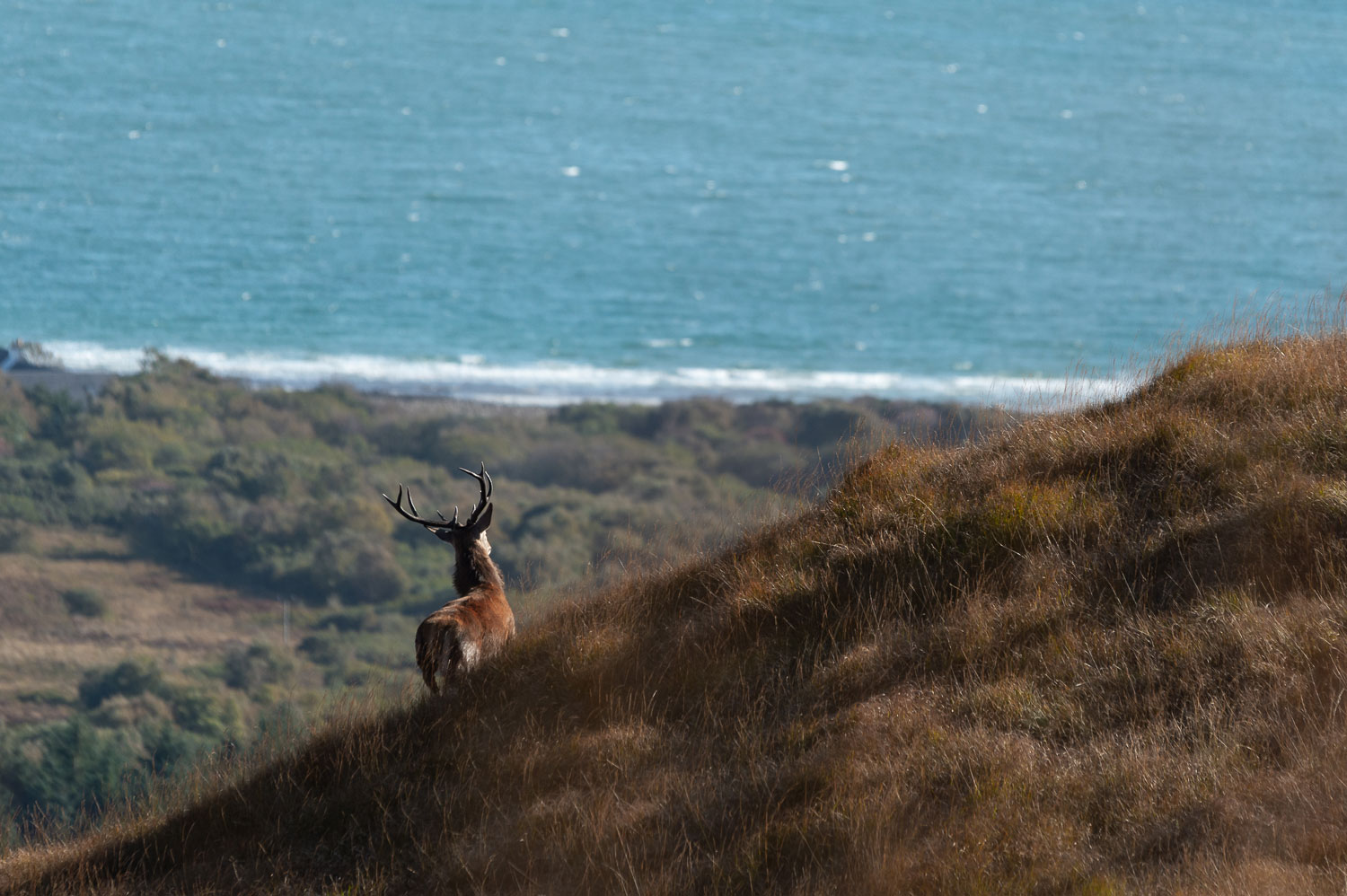
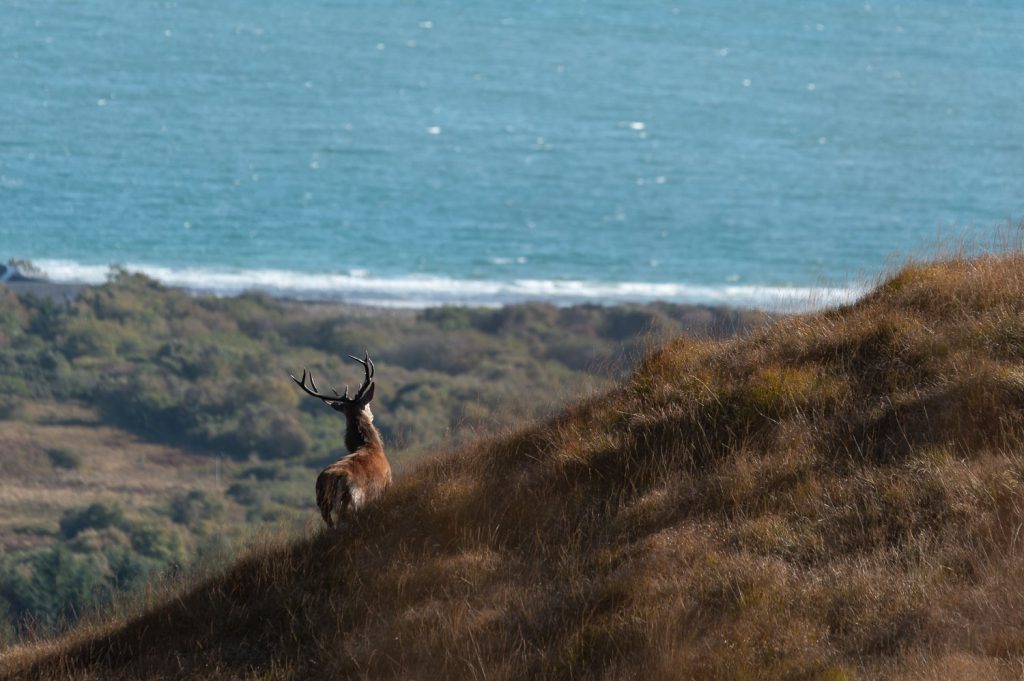
In Scotland, the island red deer face a major problem: the mineral-poor soil deprives them of a vital nutrient. To solve this problem, these deer have turned to the ocean to find mineral-rich seaweed. To understand these issues, we had to learn the history of these islands and discover that the deer were largely introduced there. We also had to understand the geology of these islands and consider the evolution of these species, as they follow the same pattern as land animals that have become marine.
Another example is Iceland, where the Arctic fox colonised the island during the last ice age. It remained there as a result of, or due to, the melting ice. As the main food source for these foxes was lemmings (Arctic rodents) and the remains of seals killed by polar bears, they had to change their diet. Once again, they turned to the ocean, where large numbers of dead animals wash ashore at low tide. Iceland’s cliffs are also rich in seabirds (adults, juveniles, and eggs). The Icelandic Arctic fox thus moved closer to the marine environment, and a subspecies emerged from this evolution (the Icelandic Arctic fox, Vulpes lagopus fuliginosus).
What is the difference between a wildlife photographer and a nature photographer?
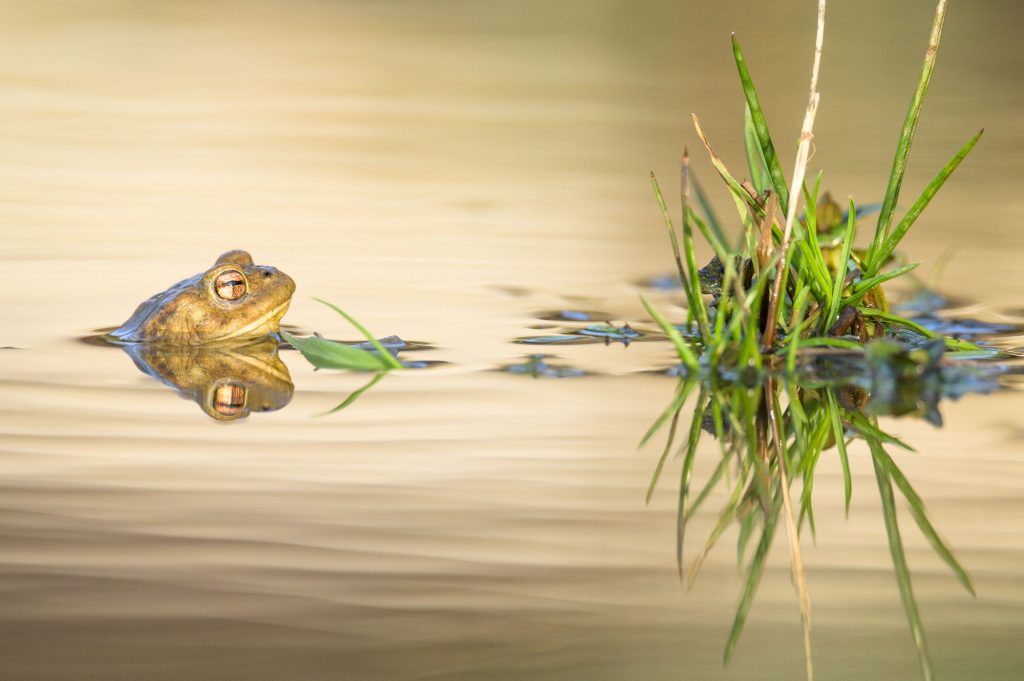
We admit that these definitions are a bit unclear. You sometimes hear the term “wildlife photographer” and, occasionally, “nature photographer”. What is the correct terminology, and what is the difference between the two? For us, the answer is simple: the wildlife photographer specialises in animals, whilst the nature photographer covers a broader scope, which includes landscape photography, macro photography, astrophotography, and so on.
Many photographers, for example, specialise in landscape photography. They travel the world in search of unique locations, fleeting light, and colours that stand out from the ordinary. These photographers seek to capture the world’s beauty, and if an animal happens to be in the frame, it’s simply because it was part of the landscape.
Let’s say that a nature photographer has a wider choice of subjects. This profession is also less demanding than wildlife photography as it requires less knowledge of nature. But it is no less difficult and much more competitive.
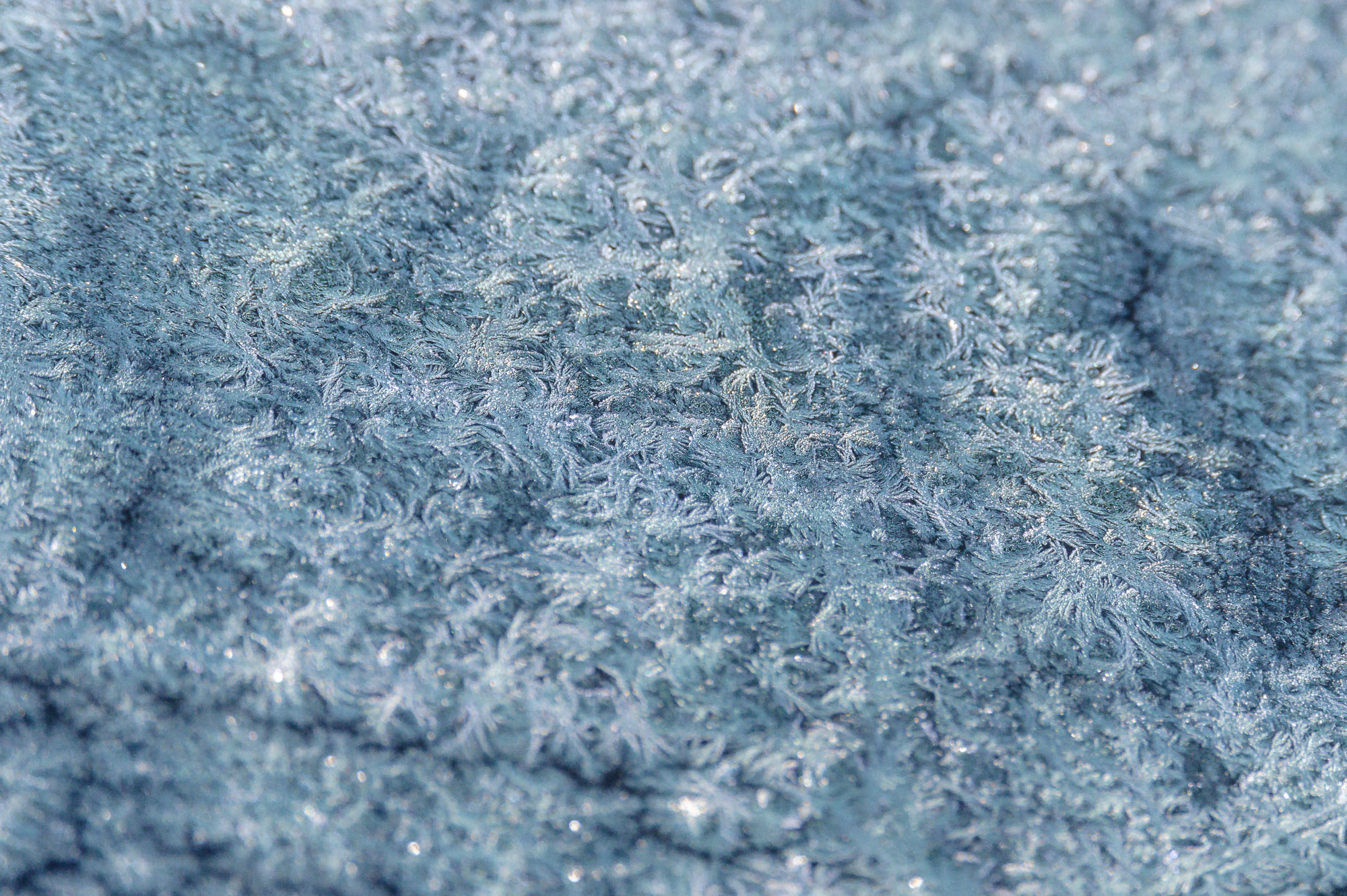
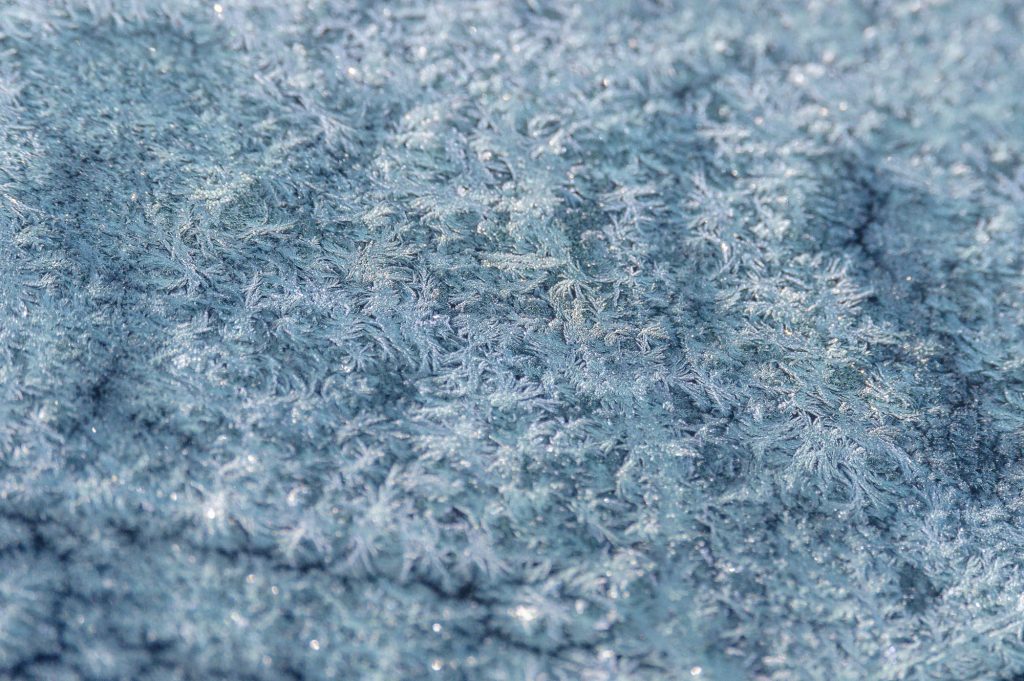
Macro photograph of frost
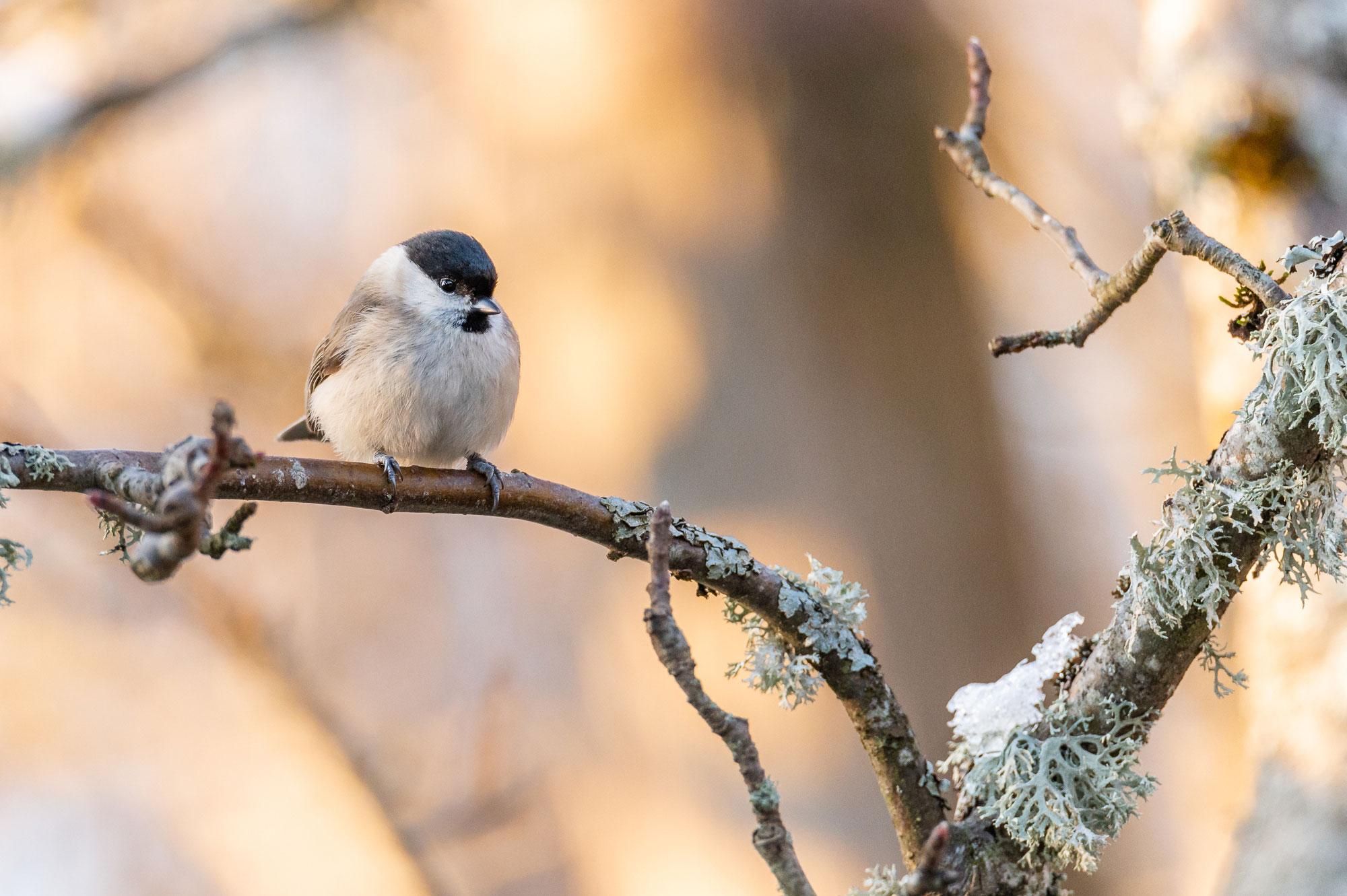
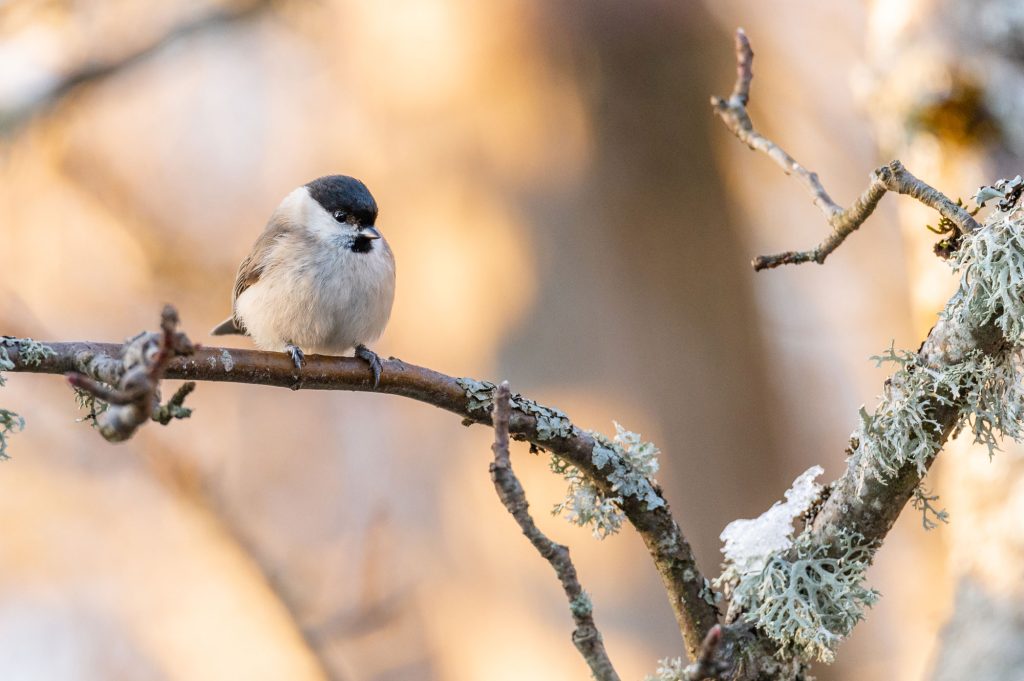
Photograph of a marsh tit
How do you become a wildlife photographer or a nature photographer?
We come to the question that many nature enthusiasts ask themselves: how to become a wildlife photographer or a nature photographer? Given that this isn’t a conventional career path, and that unconventional routes are clearly the norm, we’re going to share our own view on the quickest way to become a wildlife photographer. We’ve chosen to address both self-taught individuals and those who need training or external support. Whatever the means, the goal is to reach your destination: photographing nature and making a living from your passion!
Becoming a self-taught wildlife photographer
We won’t beat about the bush: to become a self-taught wildlife photographer, you need to be passionate! Passionate about nature, photography, living creatures, art, graphic design and everything that makes up this profession. This passion is essential, as the level of difficulty is such that you won’t count the hours or the energy you put in. It is from this passion that the motivation to learn, improve and ultimately practise wildlife and nature photography will spring.
Here are a few tips for becoming a self-taught wildlife photographer:
The first tip is to read – start with monographs, then move on to magazines.
Watch wildlife documentaries regularly and ask yourself: how were these images captured?
Buy a pair of binoculars and start going for walks, trying to observe animals from a distance without any other equipment.
Buy a tent and a sleeping bag and gradually learn to camp, first near your home, then in more remote areas where wildlife is more abundant.
Buy an SLR camera and a book to learn photography techniques, and start practising bit by bit using only manual mode. Set yourself small goals at the start and repeat them until you’re comfortable with the technique, then move on to the next one.
Join discussion forums dedicated to wildlife photography.
Start photographing animals that are easy to approach: common, unafraid birds such as titmice.
Record the songs you hear in the wild and identify them using an app or online. The ultimate goal is to be able to recognise the sounds of all animals.
Work on your patience to accept that you might see nothing for hours, sometimes days. Learn not to have any expectations.
Follow wildlife photographers on YouTube who offer immersive experiences.
Learn, understand and apply the ethics of wildlife photography.
Try to meet other beginner wildlife photographers to go on group trips, hold meetings to share experiences, etc. The aim is not to remain alone in your corner, but to learn from others and motivate one another.
Practise every day, or at least as often as possible. Consistency is one of the keys to success!
It is all these actions combined that will help you progress quickly. They will help you move through the stages rapidly and start taking photographs that will motivate you to keep going.
Become a wildlife photographer by taking courses and doing photo workshops
Photography courses
We’re not going to recommend one photography course over another – there are thousands of them! But we do advise you to steer clear of courses that are too long. A few dozen hours are more than enough if you’re motivated to keep improving outside of the course. Naturally, you could also choose to go all the way and enrol in a photography course at an art school, but in that case, the only advice we can give you is to make sure you truly have a calling for it and an unwavering determination.
The advantage of taking a photography course, as opposed to teaching yourself, is that you’ll gain academic knowledge and a broader understanding of photography. You’ll learn about the great photographers in various fields, and you’ll at least have an idea of the major works of photography.
Finally, bear in mind that you can learn photography by joining photography clubs for beginners. These clubs have the advantage of being very affordable (a few hundred euros a year at most). They also provide a good social network for those who enjoy learning in a group and sharing experiences.
Wildlife photography tours
Organising wildlife photography tours is our profession and our passion. Because we love sharing our experiences of the wild, we could talk about it for hours. But here we’ll focus on the main benefits of a local photography tour or a photography trip.
Firstly, photography tours allow you to step out of your comfort zone, explore new horizons, with new people, in an area you may not necessarily be familiar with. These tours are adventures shared with a small group of people. In fact, friendships and collaborations often spring from these tours.
Secondly, unlike traditional photography courses, wildlife photography workshops allow you to rub shoulders with experienced wildlife photographers. As well as the technical advice they can offer, this is an opportunity for you to understand their career paths and philosophies. This insight can enlighten and motivate you on your own journey. These are significant opportunities in the life of a wildlife photographer.
Finally, photographing certain species sometimes requires a significant investment of time and money. Taking part in a photography trip allows you to access these species more quickly.
Photography courses differ from theoretical training. They are a kind of condensed blend of learning and practice. In other words, you learn and apply what you’ve learnt at the same time, in the best possible conditions for wildlife photography. This method of training makes it easier to retain what you’ve learnt. Generally speaking, you progress more quickly. But the main drawback of photography tours is, of course, their high cost. Organising such week-long events in remote parts of the world involves significant expenses.
Beware of unethical practices
However, we advise against photography tours where wild animals are fed, and there are many such tours. In particular, be wary of the numerous trips offered in Finland focusing on wolves and brown bears. These trips usually involve using hides near areas where the animals are fed by humans. This is also the case for some Arctic fox photography tours in Iceland (especially in winter). When you love nature, this isn’t what you want to see.
These practices are harmful to wildlife. Humans create habits that endanger these animals. On the one hand, because over time, they lose some of their hunting instinct. And on the other hand, because humans create a dependency. The day these tours stop selling, these people will stop feeding them, and these animals will find themselves helpless after having been fed by humans for decades.
The ethic of the wildlife photographer is never to interact with animals. And feeding is the worst kind of interaction!
Practice above all else!
No matter what courses or workshops you attend, or how many photography photo tours you go on, the most important thing is – and always will be – practice. Only you have the power to take the steps needed to enter the wonderful world of wildlife photography!
To become a wildlife photographer, we therefore recommend that you set yourself a schedule and make a habit of heading out into the field. This regularity will help you progress very quickly. The information will stay fresh in your memory.
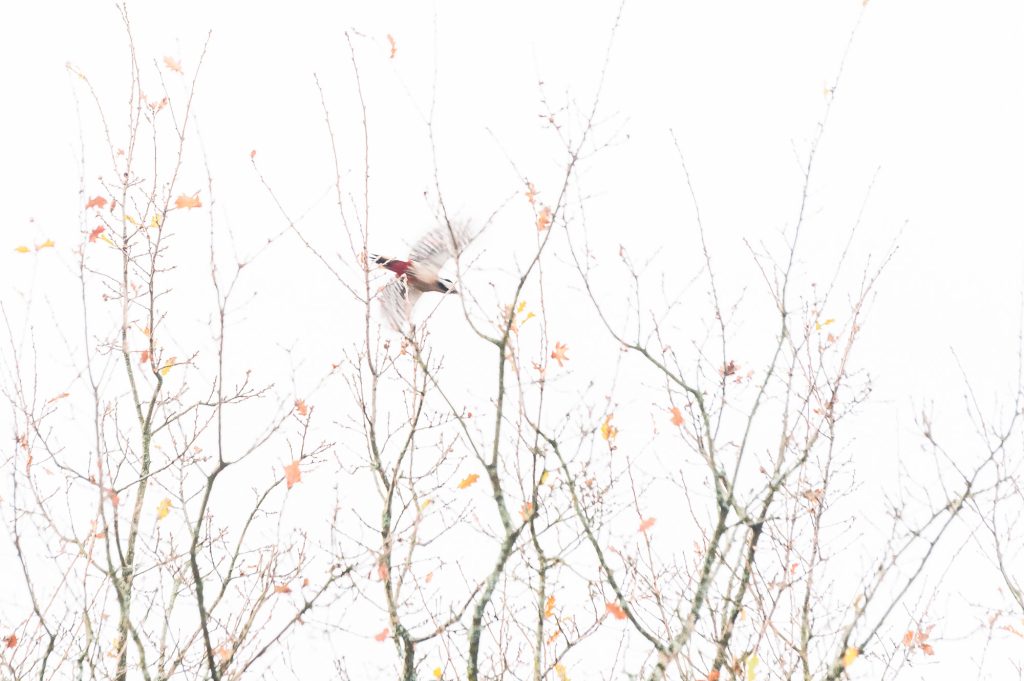
You must learn to enjoy being in nature, without expecting anything in return. Even if you have a specific goal or a subject you’re keen to capture, remember that there’s always something happening in nature. Sometimes, the simplest things are enough to make us happy: a sudden gust of wind rustling through the forest, a black woodpecker calling in the distance, a vole poking its nose out of its burrow, or even a perfect silence that brings a sense of calm. That’s what nature photography is all about, and that’s why it’s a way of life!
The required budget
Funding a camera and telephoto lenses isn’t always straightforward. When it comes to wildlife photography, the budget is even higher, given the high cost of telephoto lenses. But rest assured, it is entirely possible to kit yourself out on a more modest budget. To do this, you need to look at second-hand equipment and/or older models.
We always advise beginners to start with Nikon DSLR cameras for one simple reason: it is possible to fit lenses from the 1980s onto newer camera bodies. This simple compatibility allows you to build up a collection of lenses at a very reasonable price. But overall, what you’ll need most is a DSLR camera, a telephoto lens (ideally a 600mm) and a wide-angle lens for landscapes. We estimate that it’s possible to get very good quality equipment, albeit second-hand, on a budget of less than $3,500. This includes a full-frame camera, a 150–600mm or 180–600mm zoom lens, and a 24mm wide-angle lens.
If you prefer to buy only new equipment, then you should budget between $5,000 and $6,000 for high-quality photography gear.
Another piece of equipment that is almost essential for wildlife photographers: binoculars! Indeed, a pair of binoculars is used for scouting, but also for anticipating. They allow you to see before you are seen. For some animals, it is practically impossible to take photographs without first scouting the area with binoculars. This is the case for birdwatching. When observing birds, which have much better eyesight than we do. There are high-performance binocular models available for under $350.
Finally, you’ll need a tripod to stabilise your camera in low-light conditions and to support it during long waits in a hide. You should expect to pay between $400 and $800 for a lightweight, high-performance tripod.
Experience in the field
First and foremost, it is important to understand that a wildlife photographer must adhere to certain ethical standards. Respecting and protecting wildlife is an integral part of the profession. We have published an article on this subject, which we recommend you read before continuing: How to photograph wildlife without disturbing the animals?
For a wildlife photographer, practical experience in the field is very important. But we’re not talking here about experience with wildlife, but rather with the elements. Every nature photographer must learn. And learning sometimes means making mistakes, paying the price, and learning from them. Many wildlife photographers have found themselves caught in storms, battling the elements, or even coming close to hypothermia. These experiences leave their mark, but they also teach you. Nature knows how to humble us.
For us, field experience is the sum of our successes and our mistakes. It is our technical and professional expertise. And this experience can only be gained in the field. That is why we advise you to practise, to get out and about, and to spend time gaining experience in all weathers. Nature is not just a big blue sky. Nature is sometimes unforgiving, and we must learn to respect that force.
Conclusion
As you can see, becoming a wildlife photographer is no easy feat. But it’s not an insurmountable challenge either. Anyone motivated and passionate about nature has what it takes to succeed. The reason we’ve highlighted the many challenges of the profession in this article is to prevent you from being misled, particularly by misleading content on social media. We aimed to give you a realistic picture and invite you into this world with the right expectations.
If you feel drawn to nature, then we can only encourage you to get involved. Practising wildlife or nature photography, or even simply taking an interest in wildlife, is the best way to live out your passion, but above all to protect this fragile world. A world that doesn’t need us to exist, but which unfortunately needs us today to bear witness and raise the alarm.

Sorry, the comment form is closed at this time.